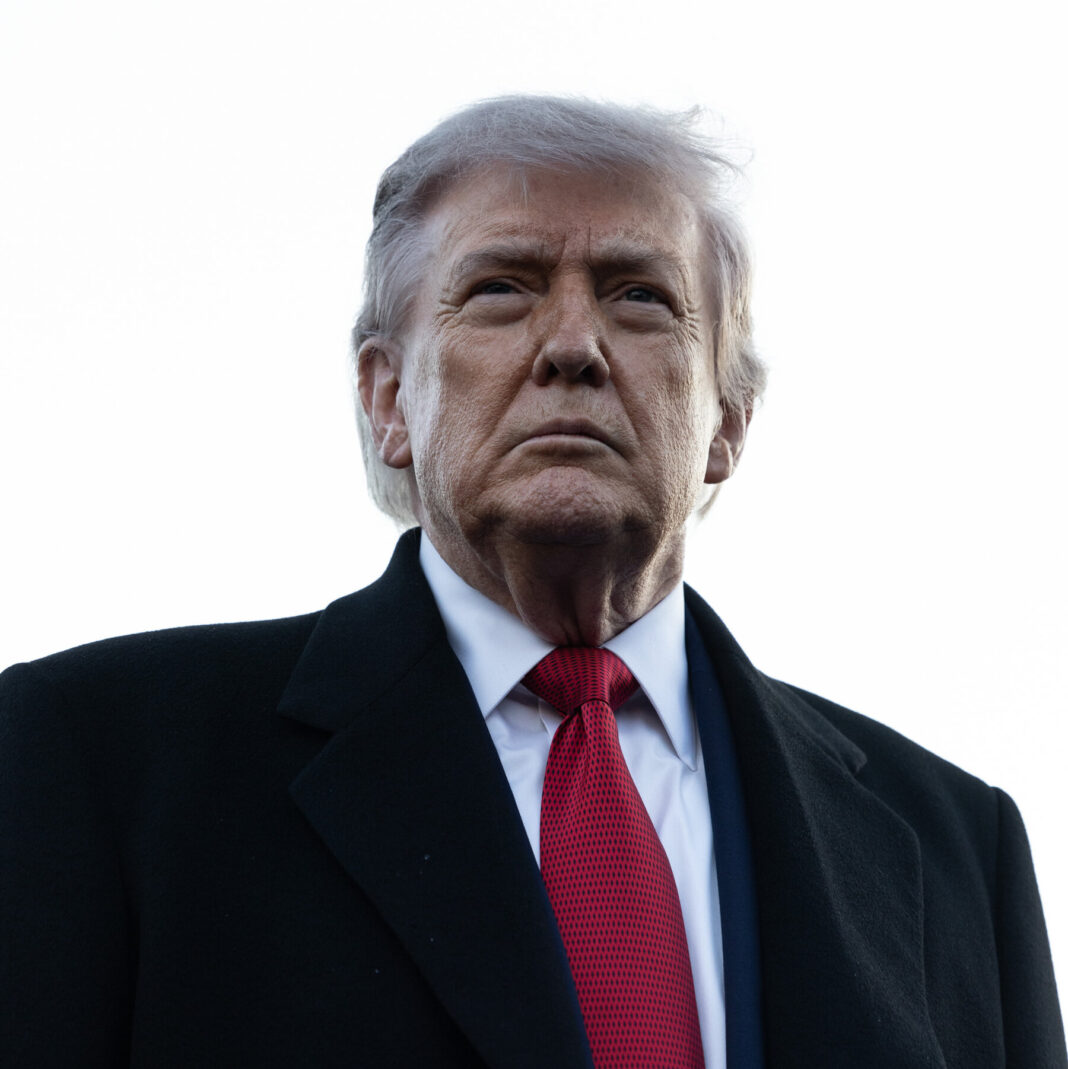
Former President Donald Trump’s recent actions are intensifying concerns within the Republican Party that he may jeopardize its chances in the upcoming midterm elections. A retiring Republican senator expressed frustration, noting that unforced errors are undermining the party’s prospects.
Internal worries have grown as Trump continues to focus on personal grievances rather than unifying the party around key policy issues. Some G.O.P. strategists fear this self-indulgent behavior could alienate swing voters and energize Democratic turnout.
Trump’s ongoing attacks on fellow Republicans have further strained party unity, with several candidates facing primary challenges backed by his allies. This internal conflict threatens to distract from efforts to critique the Biden administration’s record.
The former president’s fixation on relitigating the 2020 election has also drawn criticism, as many voters prioritize economic and border security concerns. Polls suggest that a focus on past grievances may not resonate with the broader electorate.
Key donors and party leaders are privately urging a shift toward a more disciplined message. Yet, Trump’s influence over the base makes it difficult for them to publicly distance themselves without risking primary losses.
Some G.O.P. candidates in competitive races have already begun to carefully navigate Trump’s involvement. They seek to balance his endorsement with a more moderate tone to appeal to independent voters.
The midterm landscape remains favorable for Republicans historically, but the party’s ability to capitalize on voter discontent hinges on avoiding internal distractions. Trump’s continued dominance in the news cycle could overshadow policy-based attacks.
As the election cycle progresses, the tension between loyalty to Trump and strategic pragmatism may define the party’s path. The outcome will test whether the G.O.P. can manage its internal divisions while pursuing electoral gains.