Mastercard’s stock has surged 11,000% since its initial public offering 20 years ago. The payment giant now ranks among the top-performing stocks in the S&P 500 over that period.
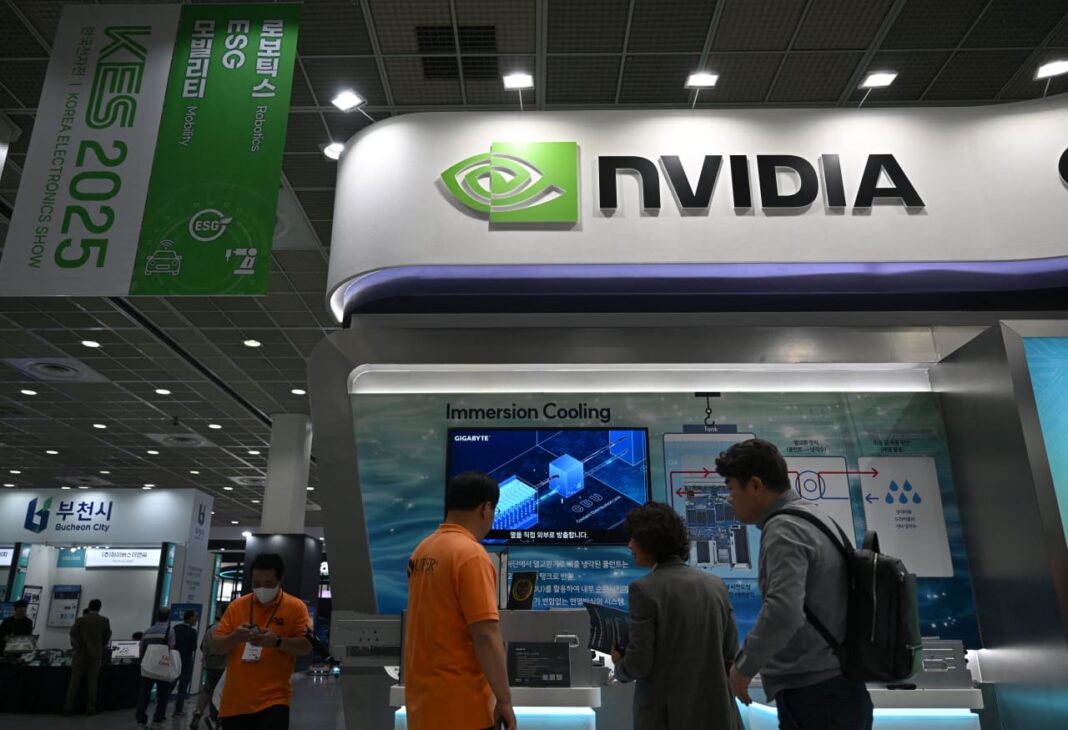
Only Nvidia and Apple have delivered better shareholder returns in the past two decades. Mastercard’s consistent growth and dominance in the payments industry have driven its remarkable run.
The company’s business model relies on processing transactions between banks and merchants. This network effect creates a durable competitive advantage that few rivals can match.
Mastercard has also expanded into data analytics and cybersecurity services. These offerings add revenue streams beyond traditional transaction fees.
Despite its past success, future growth faces headwinds. Regulatory scrutiny and potential changes in consumer spending habits could slow momentum.
Analysts point to digital payment adoption in emerging markets as a key opportunity. Mastercard’s global reach positions it to capture a larger share of cashless transactions worldwide.
The stock’s valuation remains high compared to historical averages. Investors should weigh growth potential against current pricing before making decisions.