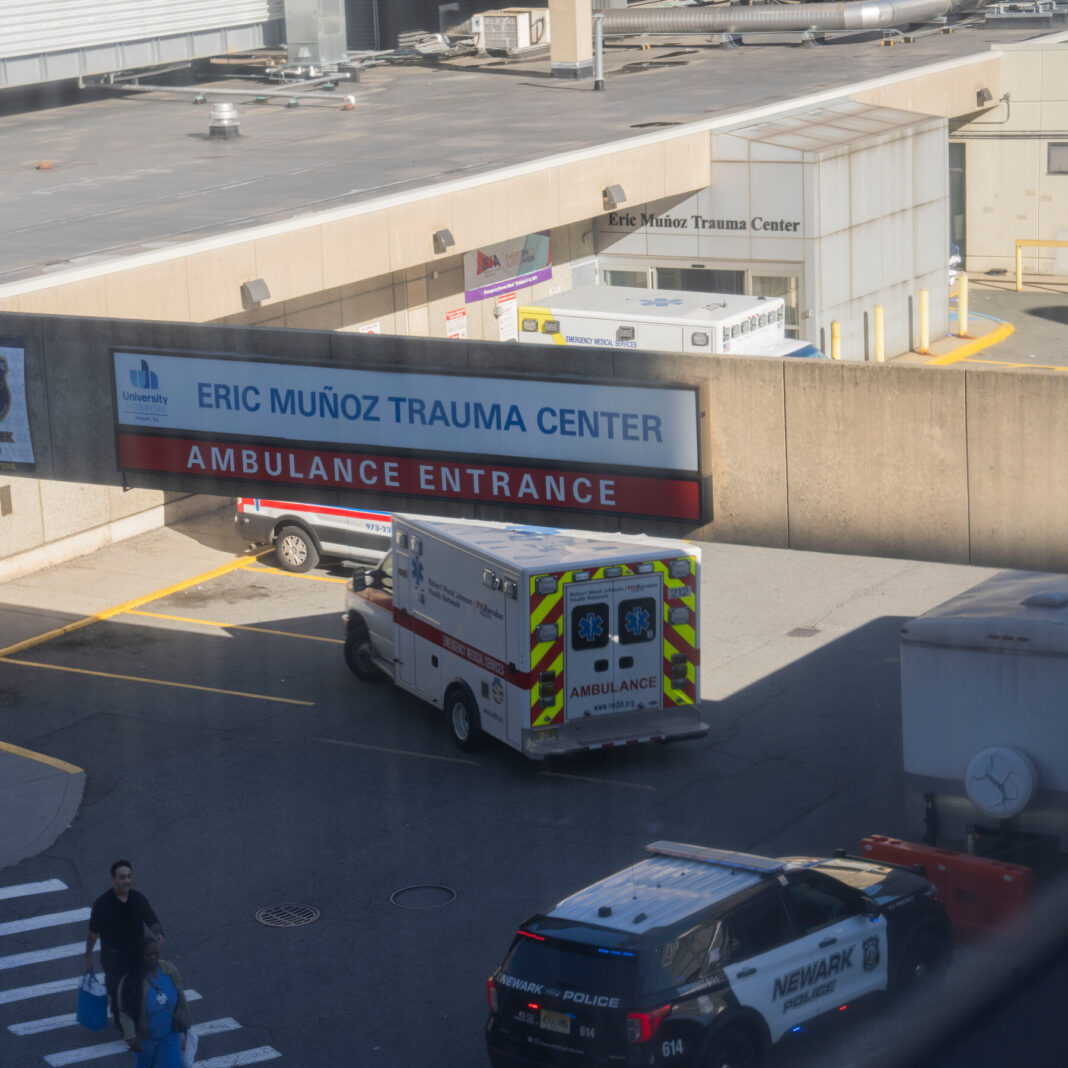
After Congress ended enhanced federal subsidies for health insurance, the number of uninsured patients seeking emergency care has risen sharply. Hospitals across the country report a noticeable increase in individuals unable to pay for their treatment.
The coverage losses followed Republican efforts to cut funding originally expanded under the Affordable Care Act. Without subsidies, many Americans found their insurance premiums unaffordable and dropped their plans.
Emergency rooms have become the primary option for those now uninsured. Patients often have no choice but to seek acute care, delaying routine medical visits until conditions worsen.
Hospitals are now facing a growing financial burden from unpaid bills. The influx of uninsured patients is straining budgets already tight from previous policy changes and pandemic-related costs.
Health care providers warn this trend could lead to service reductions or closures. Smaller hospitals, particularly in rural areas, are at higher risk of financial instability.
The shift marks a reversal of gains made in coverage rates over the past decade. Uninsured levels had fallen to historic lows before the subsidy cuts took effect.
Policy experts note the situation highlights the fragility of the current system. Without sustained funding, coverage gains remain vulnerable to political and economic changes.
The long-term impact on patient health remains uncertain. Delayed care often leads to more severe conditions, increasing overall medical costs for the system.