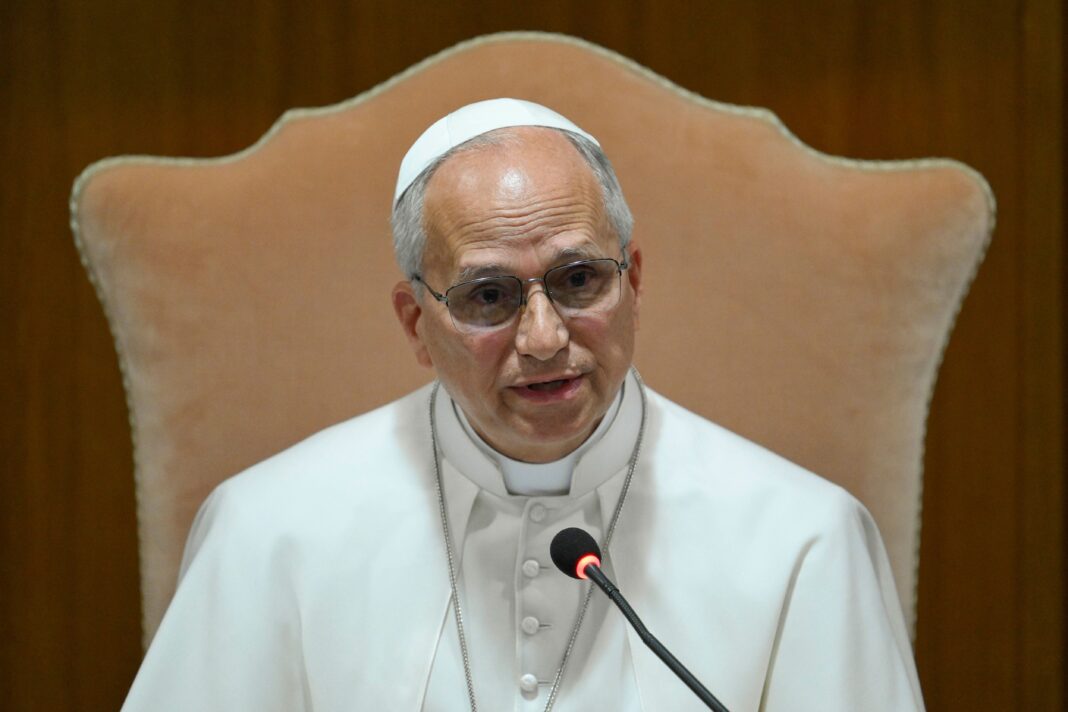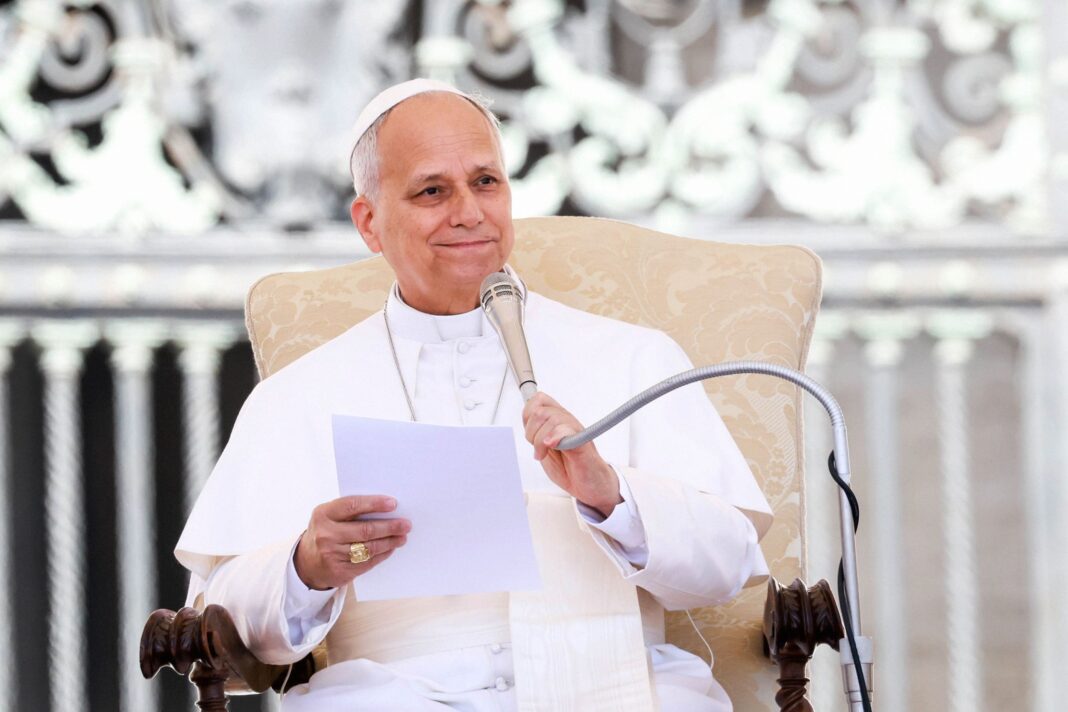
The recent encyclical from Pope Francis on artificial intelligence included an unexpected reference: J.R.R. Tolkien’s *The Lord of the Rings*. The choice was strategic, offering a pointed critique of how tech billionaires have often misread the fantasy series.
Many Silicon Valley executives have cited Tolkien’s work to justify their own ambitions, framing technology as a force for order and control. They frequently align themselves with characters who seek to dominate through power and machinery.
The Pope’s encyclical directly challenges this interpretation. It highlights themes of humility, community, and resistance to centralized power that permeate Tolkien’s original story. The message serves as a reminder that true wisdom lies in stewardship, not mastery.
Tech leaders have long embraced a narrative of inevitable progress, with artificial intelligence as the next frontier. The encyclical warns against treating AI as a tool for unchecked authority or surveillance.
Instead, it calls for an ethical framework grounded in human dignity and shared responsibility. The reference to Tolkien grounds this argument in a familiar cultural touchstone.
The Holy Father’s use of literature is not new, but its application here is particularly sharp. It undercuts the tech industry’s self-constructed mythology with the author’s own intended themes.
Observers have noted the timing is deliberate, as debates over AI regulation intensify globally. The encyclical adds moral weight to calls for transparency and accountability in technology.
By invoking a story about the dangers of a ring that concentrates power, the Pope makes a clear, if subtle, point about modern digital empires. The lesson is that even the most well-intentioned technology can corrupt without proper guardrails.
The tech community’s reaction has been mixed, with some defending their interpretations while others acknowledge the critique. The discussion highlights a growing divide over the purpose of innovation.
Ultimately, the encyclical frames artificial intelligence as a tool for human flourishing, not a means to replace or control it. The reference to Tolkien serves as a masterclass in reclaiming a story from those who distort its meaning.