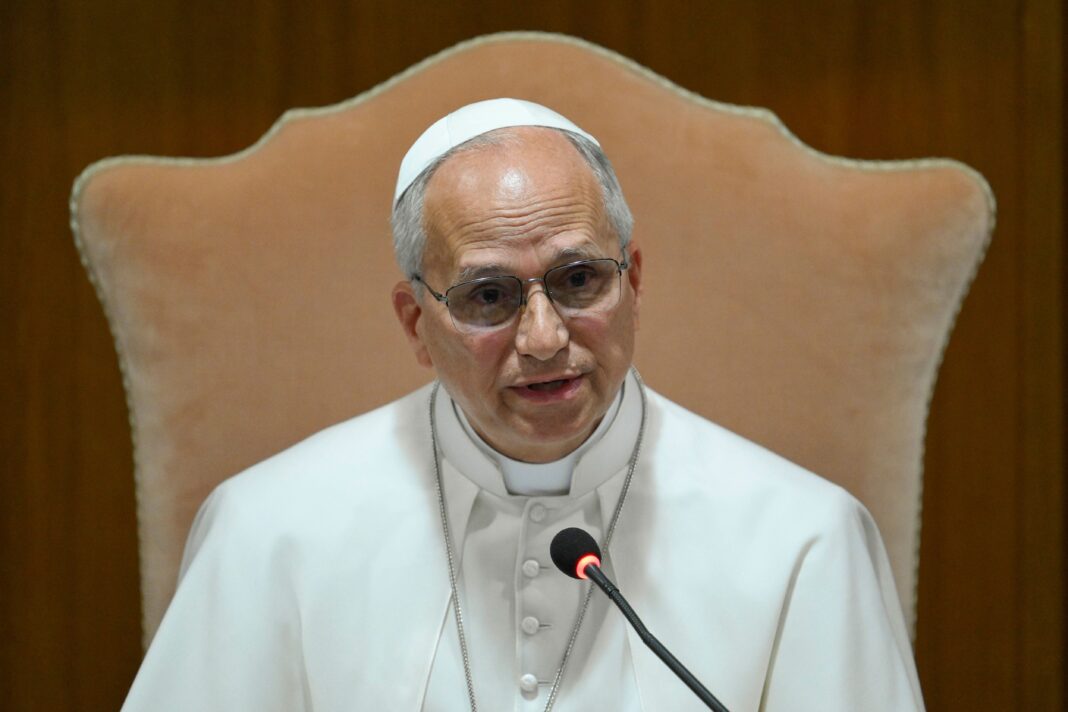
Pope Leo XIV’s first encyclical, Magnifica Humanitas, directly addresses the growing influence of artificial intelligence. The document warns against the concentration of technological power among a small number of global corporations. It argues that such centralization threatens human dignity and autonomy.
The encyclical emphasizes that AI should serve humanity, not the other way around. It criticizes the unchecked pursuit of profit and control in the tech industry. The Pope calls for an ethical framework that prioritizes the common good over private gain.
Specific concerns include the use of AI for surveillance and social manipulation. The text highlights risks to privacy, employment, and democratic processes. It urges leaders to implement regulations that protect vulnerable populations.
The document draws a clear line between human intellect and machine processing. It states that machines lack consciousness, conscience, and moral judgment. This distinction is crucial for determining rightful boundaries of AI use.
The encyclical also addresses AI’s potential for positive change. It acknowledges benefits in healthcare, education, and scientific research. However, these advances must remain tools guided by human values.
Pope Leo XIV’s message is both a caution and a call to action. It challenges technologists, policymakers, and faith communities to collaborate. The goal is a future where AI enhances, rather than diminishes, human flourishing.
The document marks a significant moment in the Church’s engagement with modern technology. It positions ethical AI development as a global moral imperative. The encyclical reinforces the need for human-centered innovation.