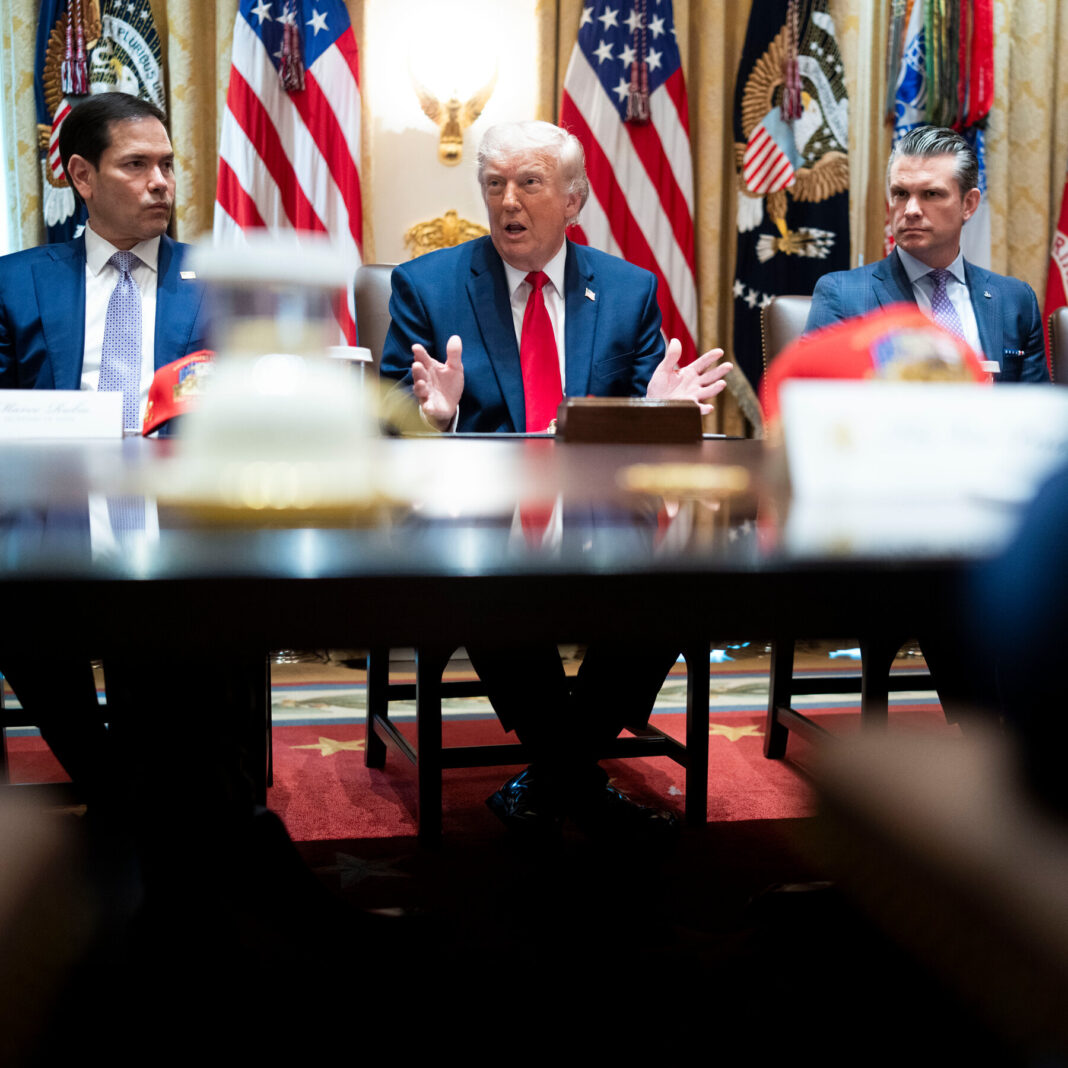
A draft agreement between the United States and Iran is reportedly circulating among negotiators. Both American and Iranian officials indicate they are nearing consensus on initial terms. The framework could mark a significant diplomatic step after years of tension.
Key sticking points remain, particularly regarding the Strait of Hormuz. Control over the strategic waterway, a critical passage for global oil shipments, continues to divide the two sides. The draft aims to address maritime security, but final language on access and inspections is unresolved.
The proposed deal focuses on Iran’s nuclear program and regional military activities. Negotiators have outlined steps for uranium enrichment limits in exchange for sanctions relief. Verification measures are included to ensure compliance over a multiyear timeline.
Iran’s ballistic missile program is another area of contention. The draft reportedly requires restrictions on missile development, though specifics are still under discussion. Iranian officials have resisted caps on defensive capabilities.
Both parties face domestic political pressures. Hardliners in Tehran and Washington oppose sweeping concessions. The draft seeks to balance demands while maintaining transparency to build public trust.
Economic impacts could be significant. Reduced sanctions would allow Iran to boost oil exports and rejoin global markets. U.S. allies in Europe and Asia have welcomed the potential for stabilized energy prices.
Military postures may shift if the deal is signed. Reduced naval patrols near the Strait of Hormuz are possible under the agreement. Regional security partners have been briefed on contingency plans.
Implementation timelines remain uncertain. Officials expect a phased rollout over several months. The first stage would include mutual goodwill gestures, such as prisoner releases.
The draft is not yet a final accord. Both sides continue to negotiate technical details. A formal signing could occur later this year if current talks succeed.