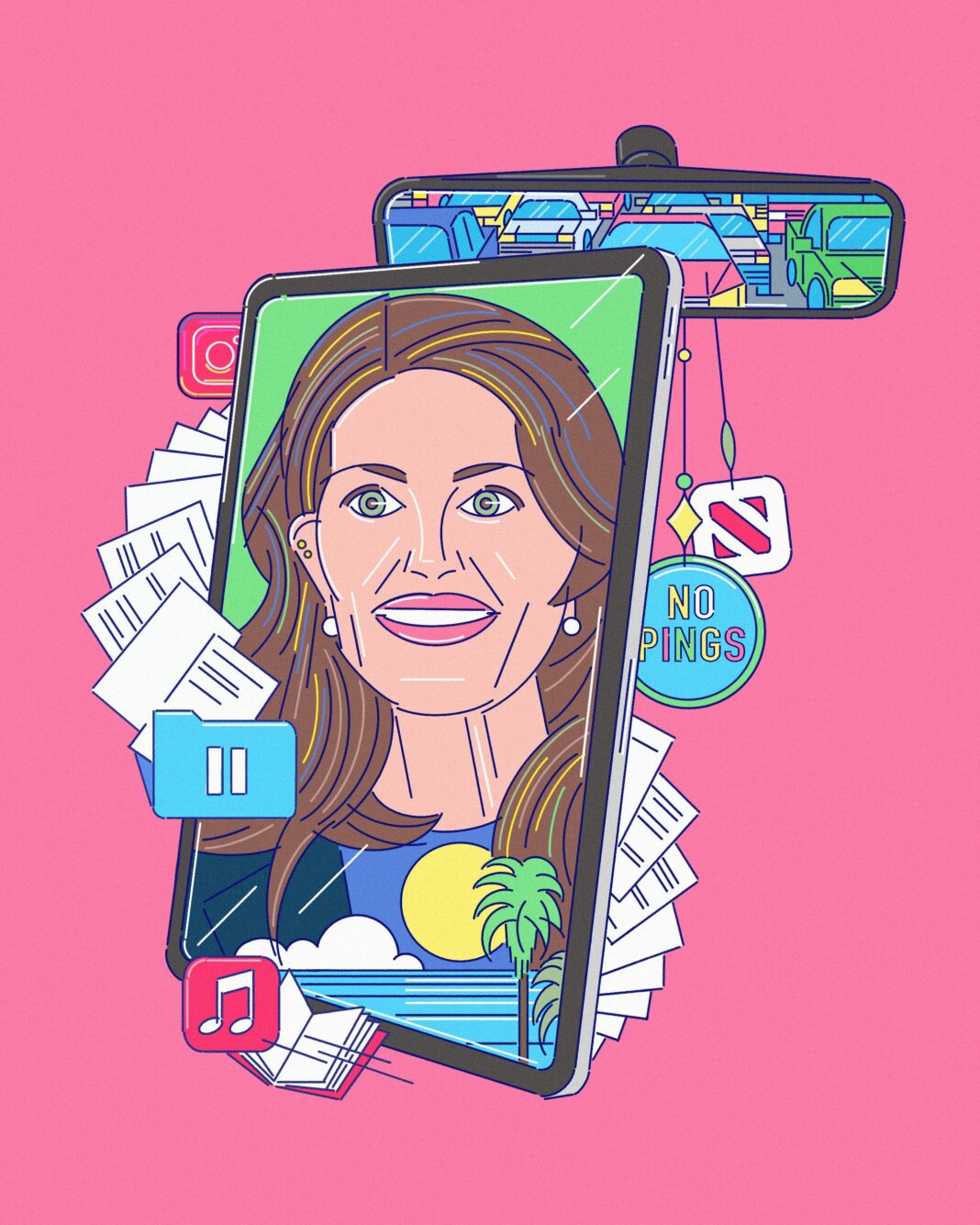
Monica Lewinsky has long expressed disdain for social media notifications. The writer and anti-bullying activist is active on platforms like Twitter and Instagram, but she deliberately avoids alert settings. This choice stems from a desire to protect her nervous system.
Lewinsky experienced intense public scrutiny following her affair with President Bill Clinton. The internet amplified that scrutiny, exposing her to relentless harassment. Those experiences shaped her cautious approach to digital life. She now prioritizes mental health over constant connectivity.
Her preference for no notifications is a practical strategy. Lewinsky wants to control when and how she engages with online content. She avoids the anxiety that comes with sudden, unsolicited alerts. This decision helps her maintain focus and emotional stability.
Lewinsky also advocates for kinder online behavior. She works as an anti-bullying activist, speaking about the impact of digital cruelty. Her personal history gives authority to her message. She encourages users to set boundaries that safeguard their well-being.
The notification avoidance fits a broader trend. Many users now limit digital interruptions to reduce stress. Lewinsky’s stance reflects a growing awareness of technology’s psychological effects. She is not alone in seeking quieter, more intentional online experiences.
Allowing notifications to dictate attention can be harmful. Lewinsky’s choice illustrates a deliberate rejection of that dynamic. She uses social media to share her work and causes, but on her own terms. This balance lets her stay present without feeling overwhelmed.
Her approach offers a lesson in digital self-care. Lewinsky shows that being online does not require constant reactivity. Protecting one’s peace is possible even in a noisy online world. Her example encourages others to rethink their own notification habits.