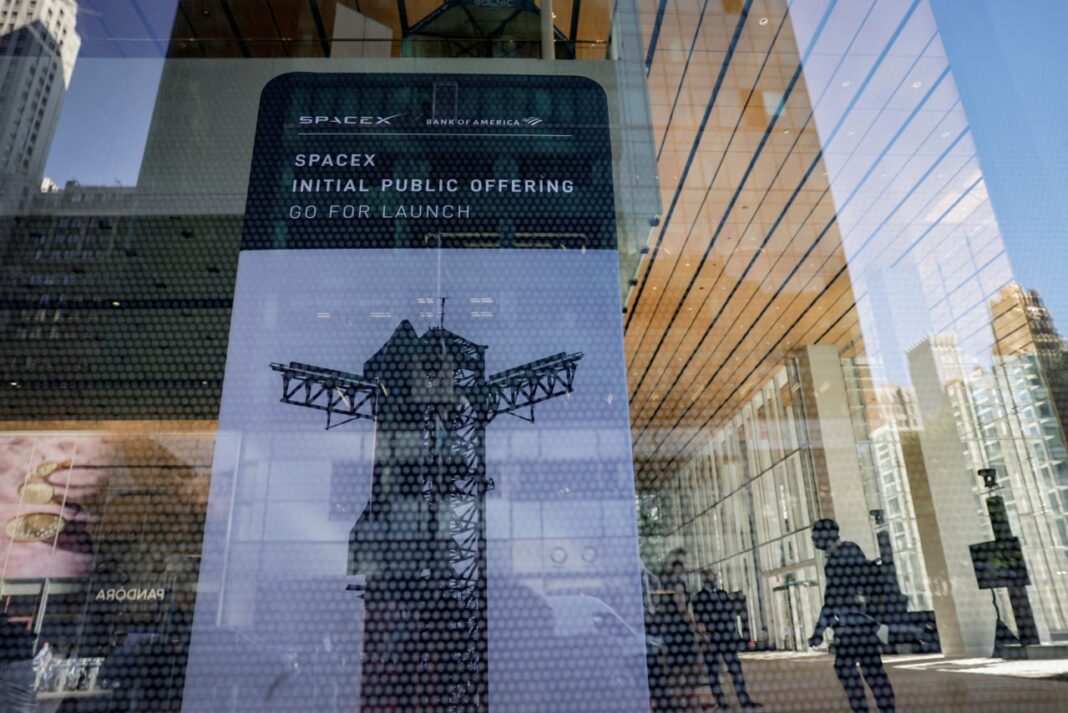
Forced buying could propel SpaceX into a new financial orbit, but the trajectory remains uncertain.
The company, led by Elon Musk, has drawn attention as investors speculate about a potential forced buying event. This occurs when large institutional investors are compelled to purchase shares, often due to index inclusion or regulatory mandates.
SpaceX is not publicly traded, but its private stock trades on secondary markets. A forced buying scenario might arise if major funds or indices require exposure to space-focused assets.
That dynamic could push SpaceX’s valuation higher, benefiting existing shareholders. However, the company’s private status limits direct comparison to public market forces.
Jobs Friday adds another layer of complexity, as employment data influences broader market sentiment. A strong jobs report could boost risk appetite, indirectly supporting private company valuations.
Conversely, weak data might prompt caution, reducing speculative interest in assets like SpaceX shares. The interplay between macroeconomic signals and private market dynamics remains delicate.
For now, SpaceX benefits from strong operational momentum, including Starship development and Starlink expansion. These factors underpin its high valuation, regardless of forced buying pressures.
Investors monitor both the jobs data and SpaceX’s progress to gauge potential outcomes. The coming weeks will clarify whether forced buying becomes a real catalyst.