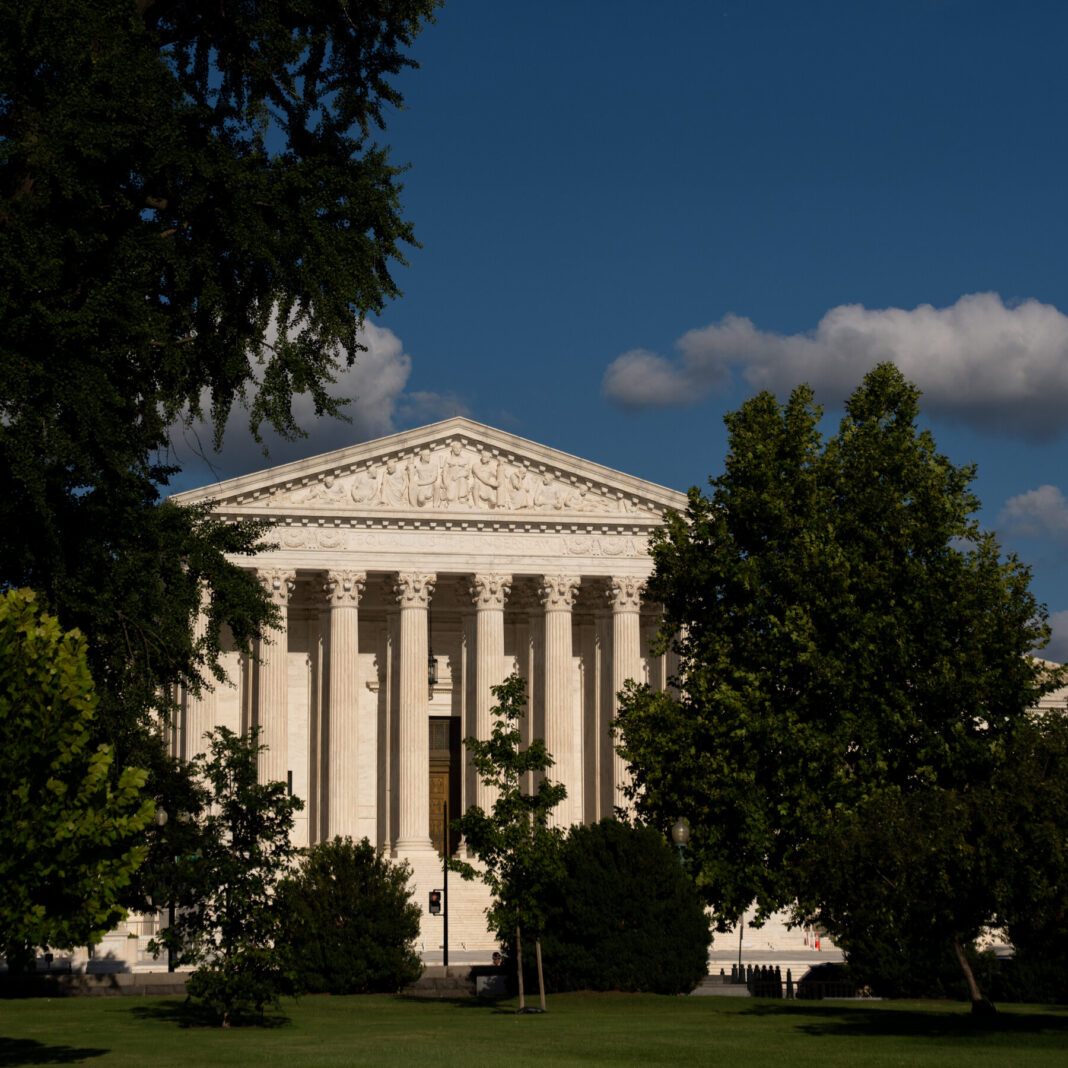
A last-ditch emergency filing reached the Supreme Court this week on behalf of a dog named Bruce. A lower court judge had labeled the animal “vicious,” triggering a legal fight that now sits before the nation’s highest tribunal. The case highlights a growing trend: the Court’s emergency docket is expanding far beyond its traditional use.
Bruce’s legal troubles began after an incident that led to a local court’s ruling. The judge’s “vicious” designation carries serious consequences, potentially affecting the dog’s fate. Attorneys for Bruce argue the ruling was flawed and have pushed for urgent review.
The emergency appeal is an unusual vehicle for a canine dispute. Typically, such filings are reserved for high-stakes matters like executions, election disputes, or national security issues. The inclusion of a pet case underscores how accessible this legal pathway has become.
Lawyers representing Bruce contend that the lower court’s decision violates established legal standards. They are seeking immediate intervention to prevent what they describe as an irreversible outcome. The filing asks justices to step in before any final action is taken.
No public response has yet come from the Supreme Court. The justices have not indicated whether they will accept the case or deny the request. A decision on the emergency application could arrive at any time, adding urgency to the proceedings.
Legal experts note that emergency petitions are rarely granted. The bar for such relief is high, requiring a clear legal error and imminent harm. Bruce’s case must clear both hurdles to succeed.
The matter also raises broader questions about judicial labels and their impact on pet ownership. Animal law specialists are watching the case closely, as the outcome could set a precedent. A ruling in Bruce’s favor might reshape how similar cases are handled nationwide.
For now, the dog’s fate rests with the Court’s written orders. The appeal reflects a larger pattern of litigants turning to the Supreme Court for swift resolutions. Each new filing, regardless of its subject, tests the boundaries of the emergency docket’s reach.
The case serves as a reminder that legal remedies are not limited to human disputes. Bruce’s story has drawn attention precisely because it is unusual. Yet the procedural mechanics at play are anything but simple.
All parties involved now wait for the Court’s next move. Whether a dog named Bruce earns a reprieve remains uncertain. But the appeal has already secured its place in a growing list of unconventional emergency requests.