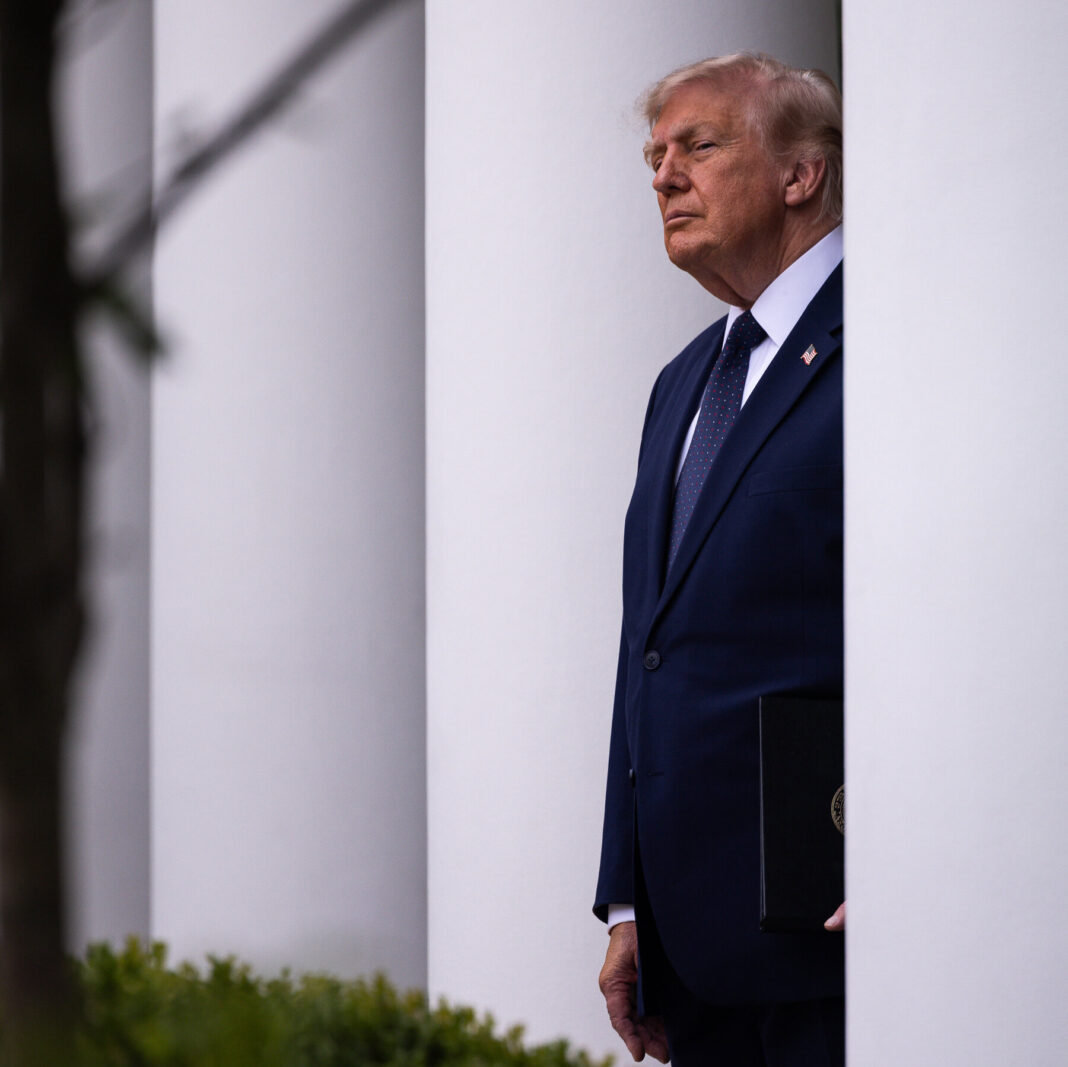
President Trump has repeatedly criticized the Western military alliance, calling it weak and ineffective. He is meeting with NATO leaders this week in Europe.
Trump has long argued that member nations are not paying their fair share for collective defense. He has threatened to reduce U.S. support for allies who fail to meet spending targets.
His broadsides have unsettled European leaders who view NATO as a cornerstone of transatlantic security. Many worry about the alliance’s future under continued pressure.
The president’s complaints focus on defense spending, which he says unfairly burdens American taxpayers. He has pushed for all members to allocate at least 2 percent of their GDP to military budgets.
Some NATO members have increased spending in response, but several countries still fall short of that goal. This disparity remains a central point of friction.
Trump’s rhetoric has also shifted the political conversation around NATO. It has forced allies to confront long-standing commitments and their own defense capabilities.
The meetings this week will test the alliance’s unity. Trump’s approach could redefine how the U.S. engages with Europe and international security arrangements.