Africa produces a large share of the world’s gold, but much of it is traded outside formal channels. The Rand Refinery, a major processing facility, is now trying to bring more of that metal into the legal market.
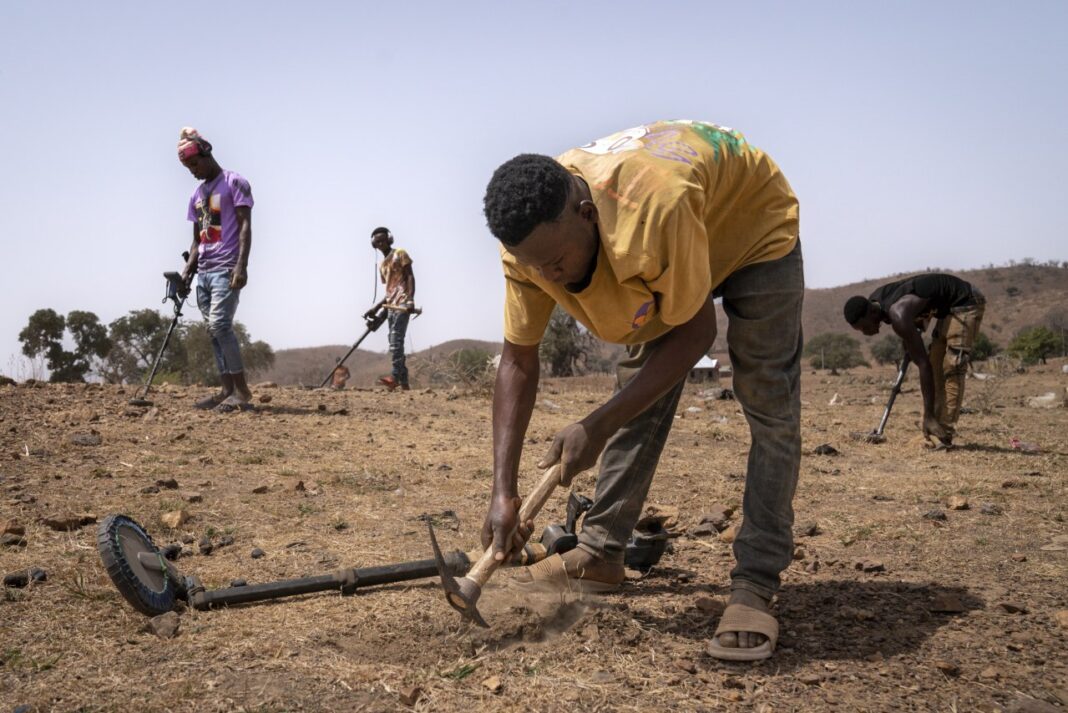
Informal mining, often called artisanal mining, accounts for a significant portion of the continent’s gold output. This gold typically moves through unregulated networks that can evade taxes and oversight.
The century-old Rand Refinery has long handled commercially mined gold from across Africa. It is expanding its role by accepting gold from smaller, informal operations.
Bringing artisanal gold into the formal supply chain could increase government revenues. It may also improve traceability and reduce links to criminal activity.
The refinery faces logistical and ethical challenges. Artisanal mining often involves unsafe conditions and environmental damage.
Gold from these sources can be difficult to verify. Without proper checks, illicit metal can enter legitimate markets.
Rand Refinery aims to set standards for sourcing and processing. Its effort reflects a broader push to clean up Africa’s gold trade.
Success depends on cooperation from miners, governments, and buyers. The refinery’s plan could reshape how African gold reaches global markets.