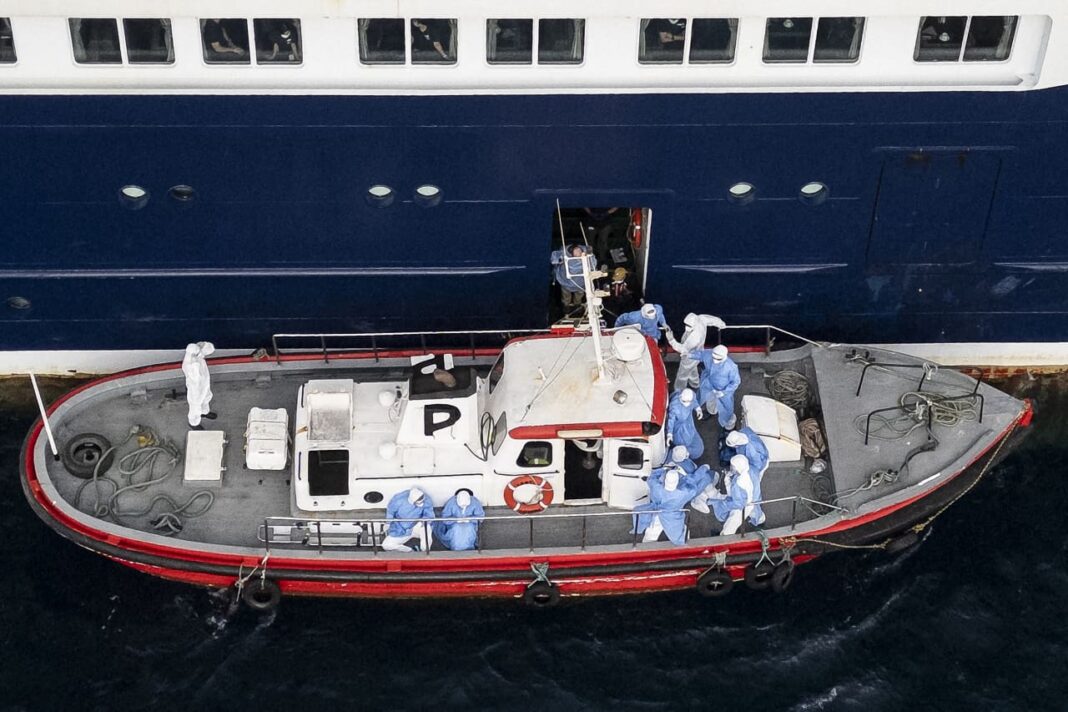
Hantavirus outbreaks are rare occurrences in public health. The Andes strain, however, presents a particularly challenging situation for health officials.
At least two passengers disembarked from the MV Hondius cruise ship in late April. One of them has since tested positive for the Andes strain, a specific type of hantavirus.
This strain is notable for its potential to spread between people. Unlike most hantaviruses, which are primarily transmitted through rodent droppings, the Andes strain can be passed through human contact.
Health authorities are now tracking the movements of the affected individuals. They are working to identify anyone who may have been exposed during the cruise or after disembarkation.
The cruise ship has been notified and is cooperating with health officials. Passengers and crew are being advised to monitor for symptoms, which can include fever, muscle aches, and respiratory issues.
Hantavirus infections can be severe, but they remain uncommon. The Andes strain’s human-to-human transmission capability adds a layer of complexity to containment efforts.
Public health experts emphasize the importance of vigilance in such cases. Rapid response and clear communication are critical to preventing a wider outbreak.
The situation underscores the challenges of managing rare diseases in a mobile population. Travelers are reminded to stay informed about health risks in their destinations.