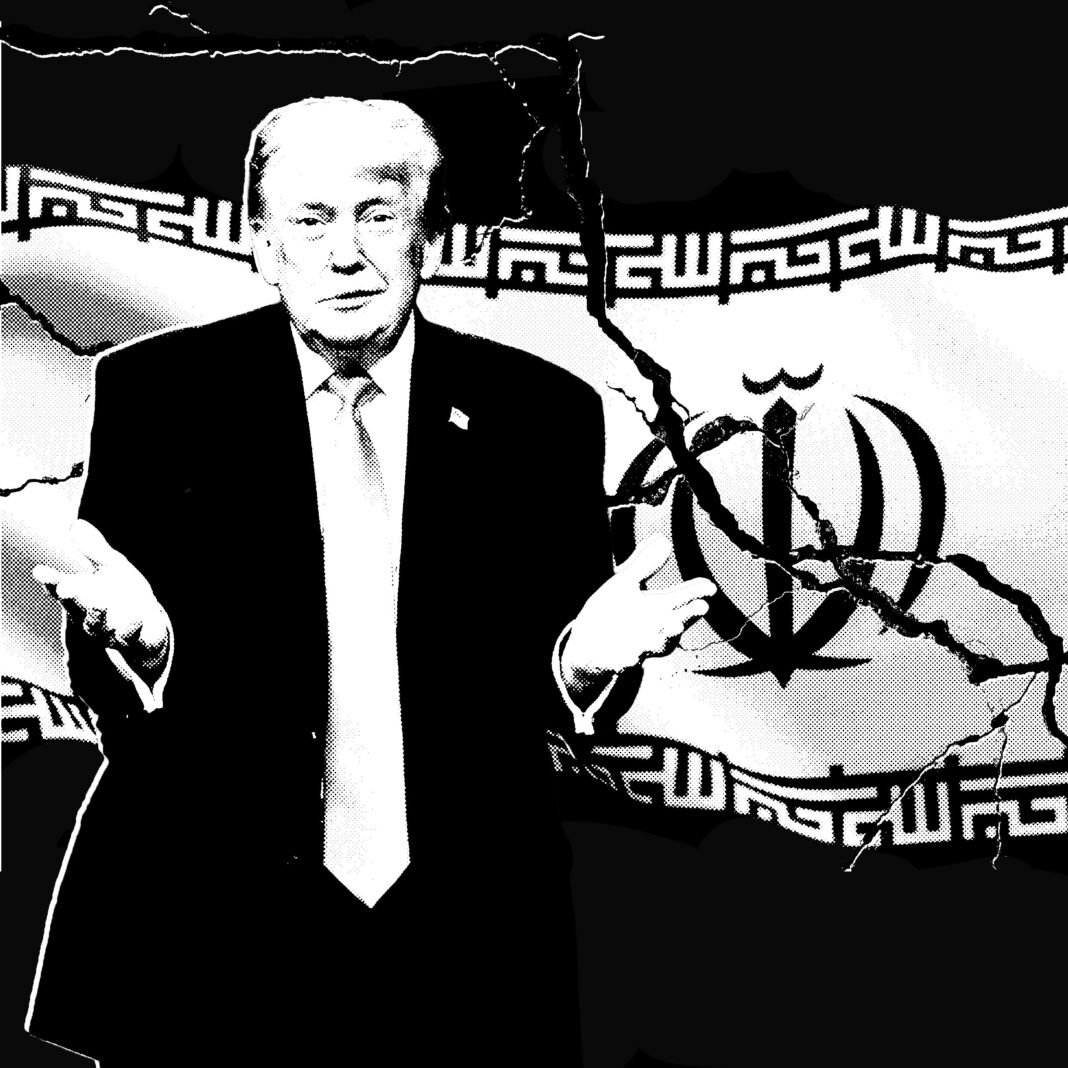
Negotiations to end the ongoing conflict with Iran remain chaotic, but US negotiators believe they have developed a viable framework for a deal. The challenge now lies in convincing President Donald Trump to accept an agreement he has previously rejected.
The proposed framework emerged after weeks of intense diplomacy, with American officials working to secure terms that could halt hostilities. This development comes amid heightened tensions and conflicting signals from the White House regarding the path forward.
US negotiators are reportedly confident that the core elements of the deal address key security concerns. They argue that the framework offers a pragmatic solution to a volatile situation, balancing immediate military de-escalation with long-term stability.
However, the president’s past dismissal of similar agreements poses a significant hurdle. Trump has consistently opposed the original Iran nuclear deal and has voiced skepticism about any renewed negotiations with Tehran.
The internal push from Trump’s team reflects a broader recognition that continuing military action may not be sustainable. Advisors are framing the deal as a strategic necessity rather than a concession.
Critics remain wary, pointing to the administration’s shifting positions throughout the conflict. They question whether the president’s agreement would lead to lasting change or simply buy time.
For now, the focus remains on internal White House discussions, where the fate of the framework hangs in the balance. The outcome could redefine US foreign policy in the region for years to come.