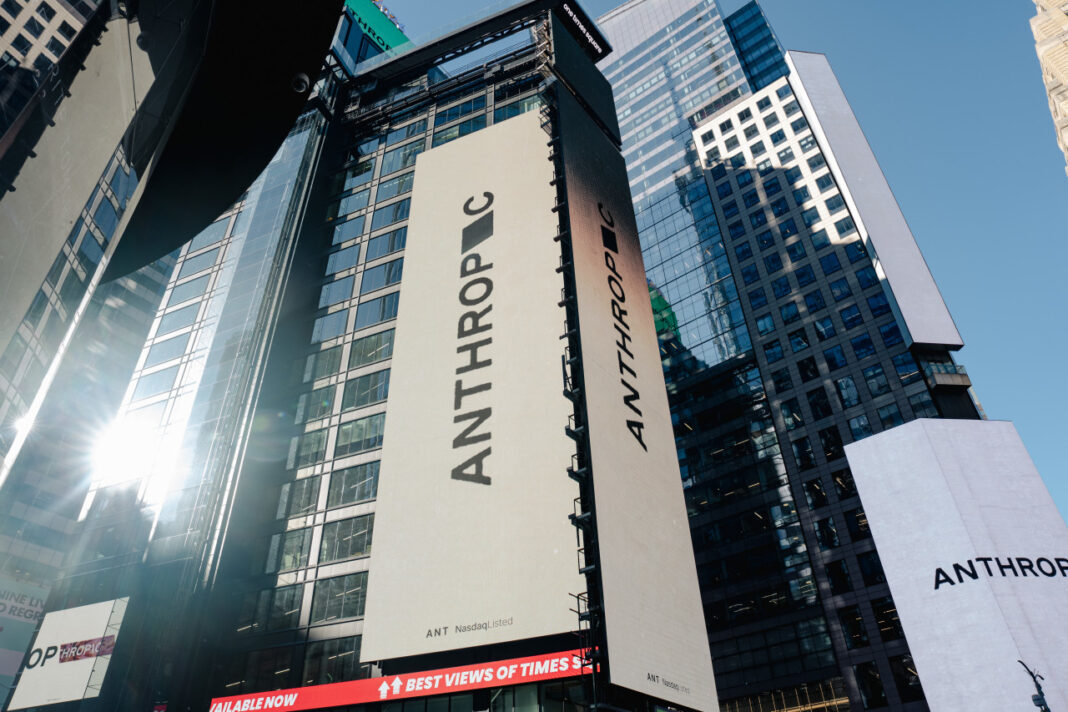
Anthropic has committed to spending $900 billion, a figure that has drawn close attention from financial markets. The AI startup’s ambitious pledge comes as it navigates the aftermath of a turbulent initial public offering. Wall Street now expects the company’s debt to carry junk status.
A junk credit rating would place Anthropic’s bonds below investment grade. That designation signals elevated risk to lenders and typically raises borrowing costs. For a company planning heavy capital expenditures, those costs can compound quickly.
The rating will directly shape Anthropic’s capital plans. Higher borrowing expenses could force the company to scale back or restructure its spending timeline. Investors are watching closely to see how the startup balances growth ambitions against financial discipline.
Anthropic’s situation carries weight beyond its own balance sheet. The company is a major player in the AI industry, and its financial health could influence how rivals fund their own operations. A junk rating may prompt lenders to reassess risk across the sector.
The turbulent IPO left questions about investor confidence in the startup. Public markets have grown more selective about AI companies seeking large sums of capital. Anthropic’s credit outlook adds another layer of scrutiny to that relationship.
Credit rating agencies will weigh the company’s revenue trajectory against its $900 billion commitment. Sustained cash flow and a clear path to profitability would strengthen its position. Without those signals, the junk designation could stick.
The outcome will test whether ambitious AI spending plans can withstand the demands of public credit markets. Anthropic’s experience may set a precedent for how the industry finances its next phase of growth. Rivals and investors alike are watching for the verdict.