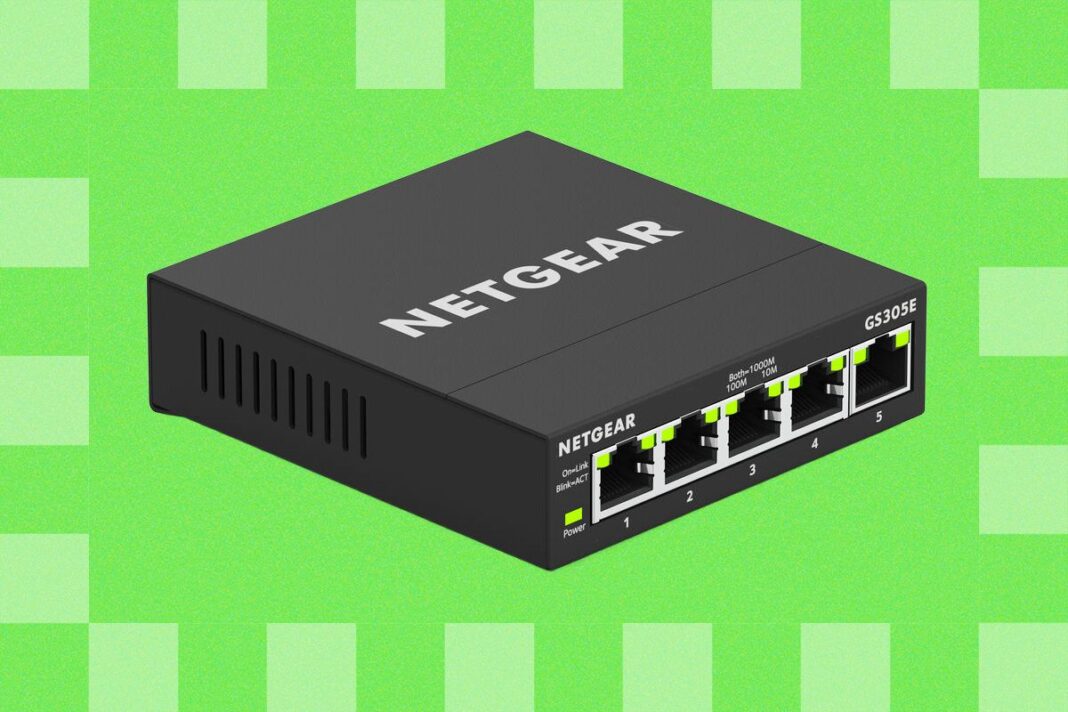
The best Ethernet switches expand network capacity when a router lacks enough ports. A switch connects multiple devices, such as computers, gaming consoles, and smart home hubs, using wired connections. Wired networks often provide faster speeds and lower latency than Wi-Fi.
Selecting the right switch depends on network size and speed requirements. Unmanaged switches offer simple plug-and-play functionality for home use. Managed switches provide advanced control, security features, and traffic prioritization for offices or power users.
Speed ratings range from Fast Ethernet (100 Mbps) to Gigabit (1000 Mbps) and Multi-Gigabit (2.5G to 10G). Most households benefit from Gigabit switches, which support modern internet plans and internal file transfers. Business environments may require Multi-Gigabit models for high-demand applications.
Power over Ethernet (PoE) switches deliver data and electrical power through a single cable. This eliminates separate power adapters for devices like security cameras, wireless access points, and VoIP phones. PoE switches are practical for installations where outlets are limited.
Security features vary between switch types. Managed switches support VLANs, access control lists, and port authentication to segment network traffic. Unmanaged switches lack these protections and are better suited for isolated or low-risk networks.
Durability and cooling matter in 24/7 operation. Metal chassis models dissipate heat more effectively than plastic ones. Fanless switches run silently and avoid mechanical failures, while larger switches with fans suit rack-mounted setups.
Testing confirms that brands like Netgear, TP-Link, and Ubiquiti deliver reliable performance across price points. Home users should prioritize affordable Gigabit unmanaged switches. Professionals benefit from managed switches with PoE and advanced security controls.