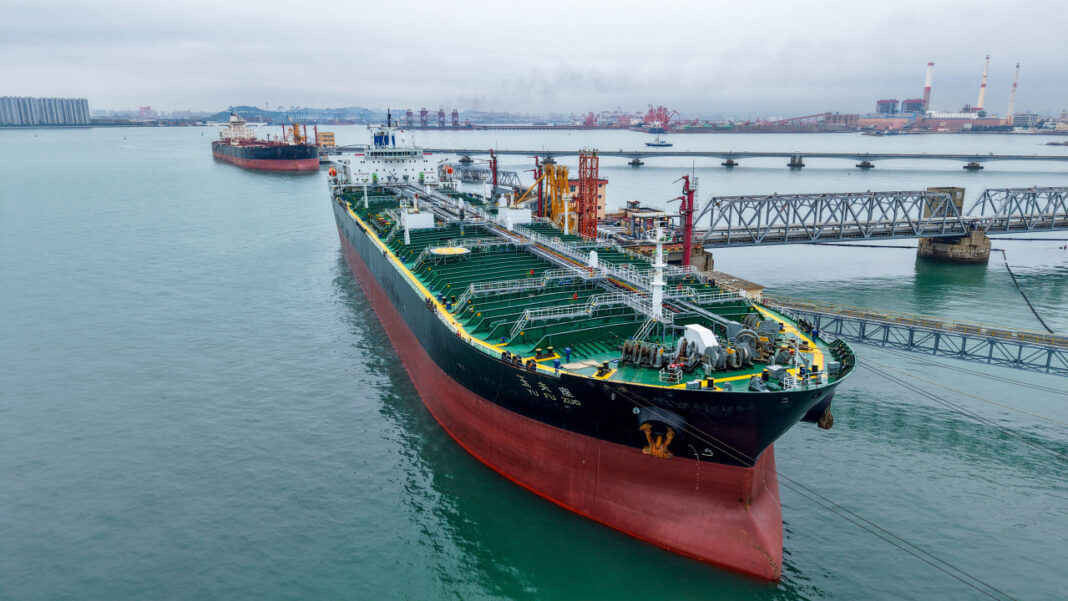
China’s oil demand has become far more flexible than global markets expected. For years, the country was seen as Big Oil’s most reliable customer. That assumption is now being tested.
During economic booms, China imported massive amounts of crude to fuel factories and transportation. Refineries ran at full capacity to meet soaring fuel and petrochemical demand.
But recent shifts in China’s economy have changed the outlook. Slower growth, a push for energy efficiency, and rising electric vehicle adoption have reduced oil appetite.
Strong crude imports during price dips no longer signal sustained demand. Instead, China now buys opportunistically, filling strategic reserves when prices fall.
This new buying behavior introduces uncertainty for producers. Traders can no longer rely on China as a consistent demand driver for long-term investment decisions.
Global oil markets now face a more complex challenge. China’s changing role forces Big Oil to reassess planning, pricing, and supply strategies.
The days of predictable growth from the world’s top crude importer may be over. Flexibility, not volume, now defines China’s energy relationship with the world.