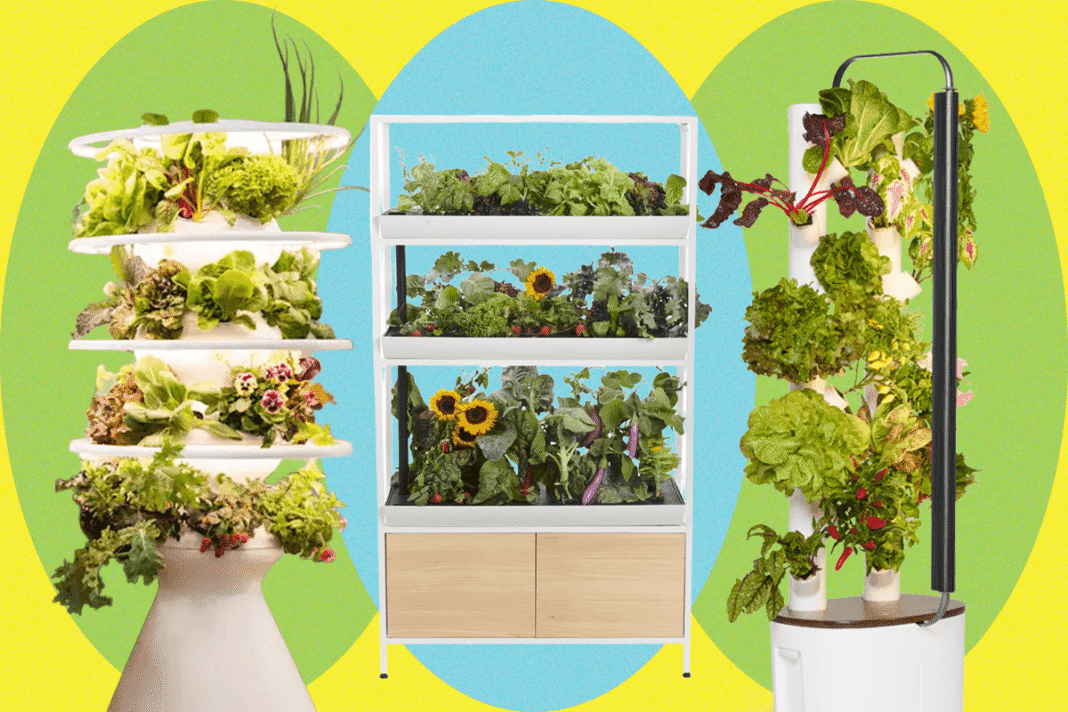
The best indoor garden systems now offer a reliable way to grow fresh greens and vegetables indoors using vertical hydroponic technology. These systems allow users to cultivate a small backyard’s worth of produce without soil or outdoor space. After a year of testing, several models have proven to be worth the investment for home growers.
Hydroponic gardens use water and nutrient solutions to feed plants directly, eliminating the need for traditional soil gardening. This method promotes faster growth and higher yields in a compact footprint. Vertical designs maximize space, making them ideal for kitchens, apartments, or offices.
Lighting is a critical component in these systems, with most models featuring built-in LED grow lights. These lights simulate natural sunlight, supporting healthy plant development even in low-light environments. Automated timers for lights and water pumps simplify maintenance for busy users.
Setup and ease of use vary significantly among tested models. Some systems offer plug-and-play assembly with pre-seeded pods, while others require more hands-on planting and monitoring. Beginners may prefer systems with guided apps or automated nutrient dosing.
Plant variety is another key factor, with most systems supporting leafy greens, herbs, and small vegetables. Lettuce, kale, basil, and mint thrive in hydroponic setups, but fruiting plants like tomatoes or peppers may need larger or more advanced units. Consider what you plan to grow before selecting a system.
Cleaning and maintenance requirements differ across brands. Some models feature removable components for easy washing, while others require more careful upkeep to prevent algae buildup or pump clogs. Regular filter changes and nutrient solution replacements are standard.
Cost remains a significant consideration, with entry-level systems starting under $100 and premium models exceeding $500. Higher-priced units often provide larger capacities, stronger lighting, and more automated features. Long-term savings on grocery herbs and greens can offset the initial investment.
Noise levels are generally low, though water pumps in some models produce a constant hum. Most users find the sound unobtrusive, but those with open-concept living spaces may prefer quieter units. Matted or vibration-dampening bases can reduce noise further.
Warranties and customer support vary, with the best brands offering at least one-year coverage and responsive service. Checking reviews for durability and parts availability helps ensure a satisfactory long-term experience. Many retailers offer trial periods for returns if a system does not meet expectations.