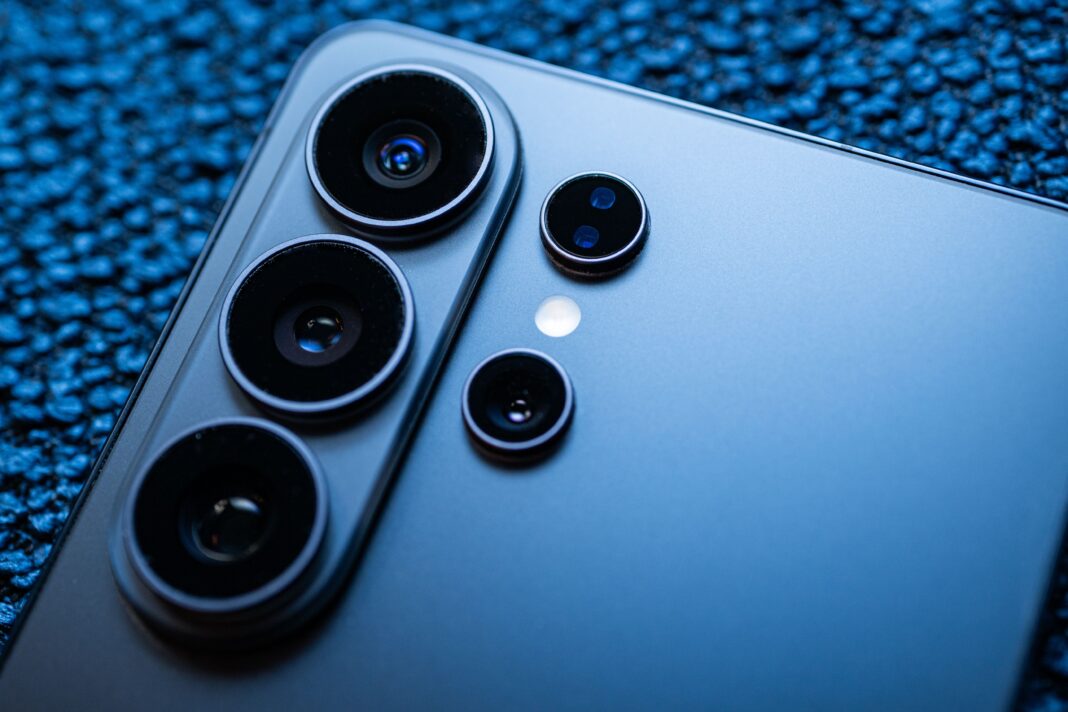
Smartphone cameras could soon capture much better low-light photos. Metalenz has acquired PxE to tackle a filter design that has limited night photography for decades. The deal targets the color filter array used in most phone cameras.
The traditional color filter array has shaped digital imaging for roughly 50 years. It sits over the image sensor and splits light into red, green, and blue. This approach works well in daylight but struggles when light is scarce.
Engineers have long accepted the tradeoff between color accuracy and sensitivity. Thinner filters let in more light but weaken color separation. PxE’s technology aims to resolve that conflict without sacrificing either.
Metalenz brings expertise in flat, nanostructured optics. PxE adds a new take on how sensors capture color information. Combined, the two companies plan to shrink camera modules and boost performance.
Improved light capture matters most for night and indoor shots. Most smartphone photos are taken in less-than-ideal lighting. Gains in sensor efficiency could reduce grain and blur in those conditions.
The acquisition signals a shift toward redesigning core camera components. Phone makers have focused on software processing and larger sensors in recent years. Hardware-level changes could open new room for improvement.
Mass production timelines and device integration remain unclear. Metalenz has not announced specific phone partners or launch dates. The technology still faces testing and scaling before it reaches consumers.
For now, the deal marks a notable bet on rethinking a long-standing imaging standard. If successful, the approach could reshape how future phones handle color and light.