Choosing a smart bed has become a serious purchase decision. Buyers now weigh sensors, app controls, and adjustable firmness before buying. Two names lead the 2026 market: Bryte and Tempur-Pedic.
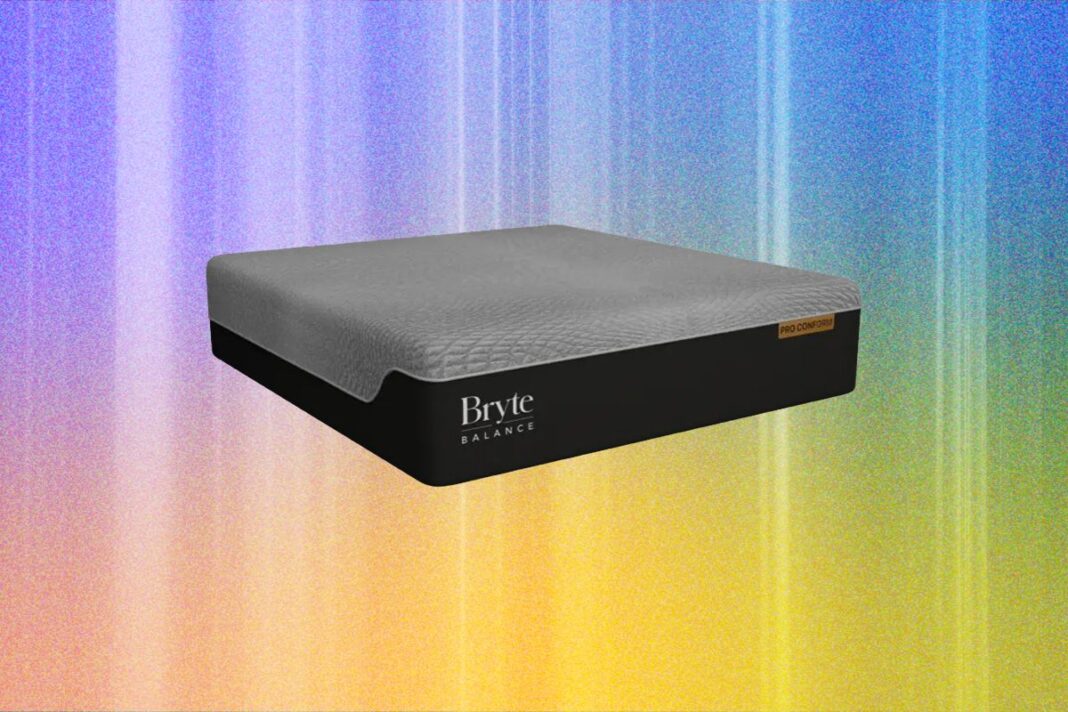
Bryte focuses on sleep tracking and automatic adjustment. Its bed uses sensors to detect pressure and movement through the night. The mattress then shifts firmness and support in response.
That active adjustment suits people whose sleep needs change. Side sleepers and restless sleepers may notice the difference most. The setup also feeds data to an app for review.
Tempur-Pedic takes a different route. The brand leans on its pressure-relieving foam and proven durability. Smart features are added through adjustable bases and sleep-tracking accessories.
The result is a more traditional feel with modern tools on top. Users who prefer a familiar mattress may find this approach easier. App integration covers position control and basic sleep data.
Pricing separates the two clearly. Bryte sits at the premium end as a full smart system. Tempur-Pedic offers more entry points across its smart-compatible lineup.
Neither bed is a casual purchase. Buyers should test both in person and check app support and warranty terms. A smart bed only pays off if its features match nightly habits.