Bitcoin mining companies that moved into artificial intelligence data centers are discovering the new business brings its own volatility. The shift was meant to provide steadier revenue than crypto mining. Instead, firms now face unpredictable demand and shifting priorities from AI customers.
Several miners converted their facilities to host AI computing hardware as bitcoin margins tightened. The pivot promised stable contracts and growing demand for processing power. Early results have been mixed, with some companies reporting uneven returns.
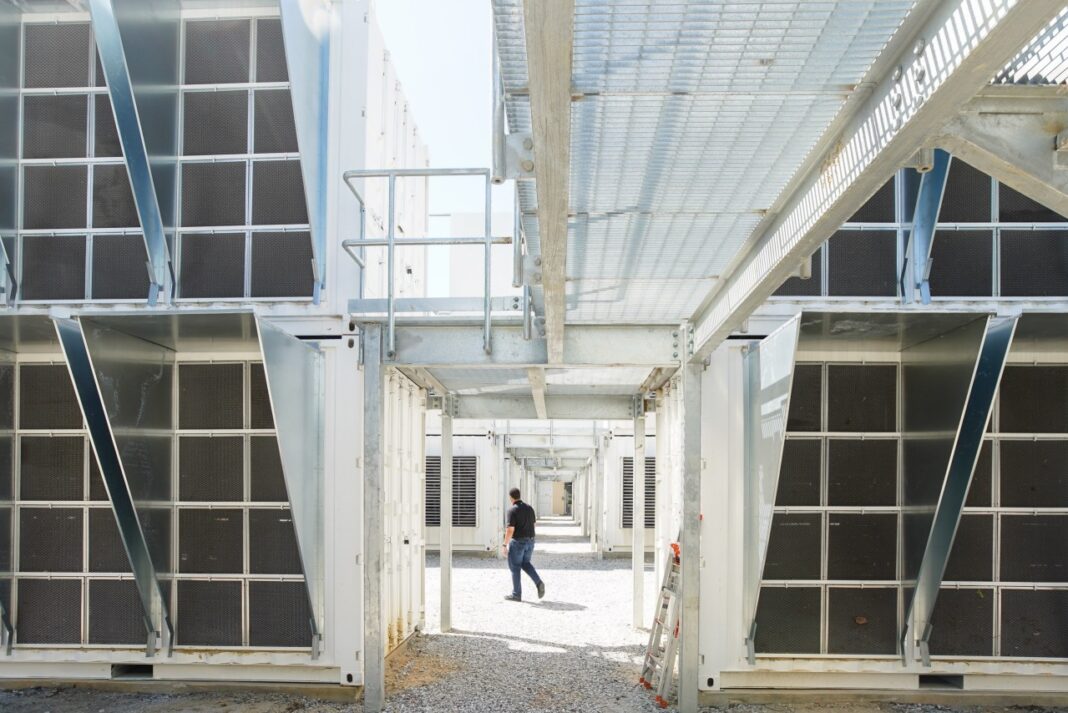
AI data centers require different infrastructure than bitcoin mining operations. Cooling systems, networking equipment, and power delivery must all meet higher standards. Retrofitting existing sites has proven costlier and slower than many firms expected.
Customer demand for AI computing is strong but difficult to forecast. Tech companies change their hardware needs quickly, leaving data center operators to absorb the risk. Contracts are often shorter than the multi-year deals miners hoped to secure.
Competition in the AI data center market is intense. Established players with deep experience already dominate the space. Former miners must compete for the same clients while still managing their legacy crypto operations.
Energy costs remain a central challenge for both industries. AI hardware consumes large amounts of power, and electricity prices fluctuate widely. Companies that struggled with mining margins now face similar pressure in AI hosting.
Some analysts argue the pivot still makes long-term sense despite the turbulence. Bitcoin mining revenue is tied to a volatile asset, while AI demand is expected to grow for years. The transition may take time to pay off.
The experience mirrors the broader unpredictability of the technology sector. Companies chasing new markets often find familiar risks in unfamiliar settings. For bitcoin miners, the shift to AI has not delivered the calm they sought.