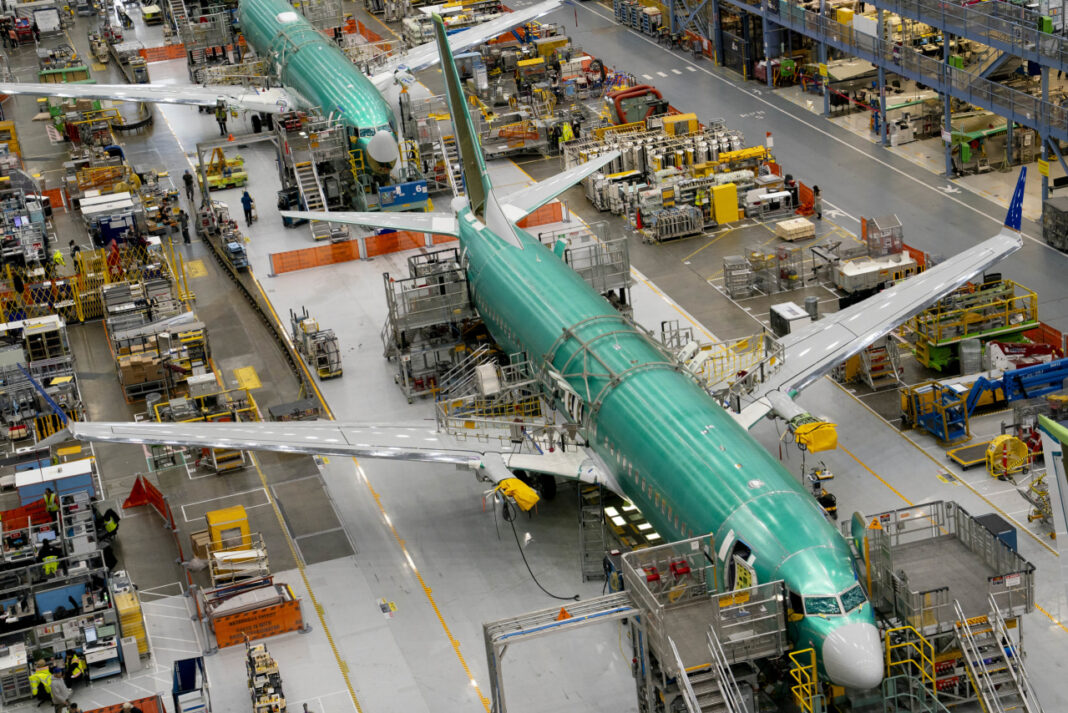
Boeing’s acquisition of Spirit AeroSystems, valued at $8.4 billion, is now facing significant financial strain. The aerospace giant completed the purchase of the fuselage supplier in December. Since then, Boeing has discovered substantial liabilities that were not identified during the initial evaluation. These newly surfaced costs are undermining the expected benefits of the deal.
The company has found that certain programs and contracts carry expenses far beyond original estimates. Management is now working to quantify the full scope of these financial obligations. The revelations have prompted internal reviews of the acquisition’s underlying assumptions. Boeing had anticipated that absorbing Spirit would stabilize its supply chain. However, the hidden costs are complicating that strategic goal.
Industry analysts note that the deal was structured to bring key manufacturing processes in-house. The move aimed to improve quality control and reduce production delays. Yet the unforeseen liabilities are now consuming resources that were slated for operational improvements. Boeing has not provided a revised timeline for when the acquisition will deliver positive returns.
The financial impact is already visible in Boeing’s recent earnings statements. The company has taken charges related to the Spirit operations, reducing quarterly profits. Executives have acknowledged that the integration phase will take longer than initially projected. They also stated that additional risks remain in the legacy contracts inherited from Spirit.
Spirit AeroSystems has faced its own production and pricing challenges in recent years. The supplier had struggled with labor shortages and increased material costs. Boeing’s decision to repurchase the company was seen as a direct response to those recurring issues. Now, Boeing must navigate those same problems under its own banner.
The company is reportedly reassessing several ongoing projects tied to Spirit’s commercial and defense portfolios. Some of these projects involve long-term fixed-price agreements that are now considered unprofitable. Boeing may need to renegotiate terms with customers or absorb further losses. Any such move could strain relationships with airline and military clients.
Investor sentiment has turned cautious following the announcements. Boeing’s stock price has experienced increased volatility since the company disclosed the additional charges. Market observers are watching for further updates in the next quarterly report. The company’s leadership has committed to providing greater transparency regarding the integration progress.
Boeing still views the Spirit acquisition as essential for its long-term manufacturing strategy. Controlling the production of key components is expected to reduce reliance on external suppliers. But the immediate financial burden is heavy. Executives are balancing the need for stability against the pressure to cut costs.
The situation highlights broader risks in the aerospace supply chain. Large vertical integrations often bring both benefits and unforeseen complications. Boeing’s experience with Spirit serves as a cautionary example for the industry. The company now faces the challenge of turning an expensive deal into a profitable one.