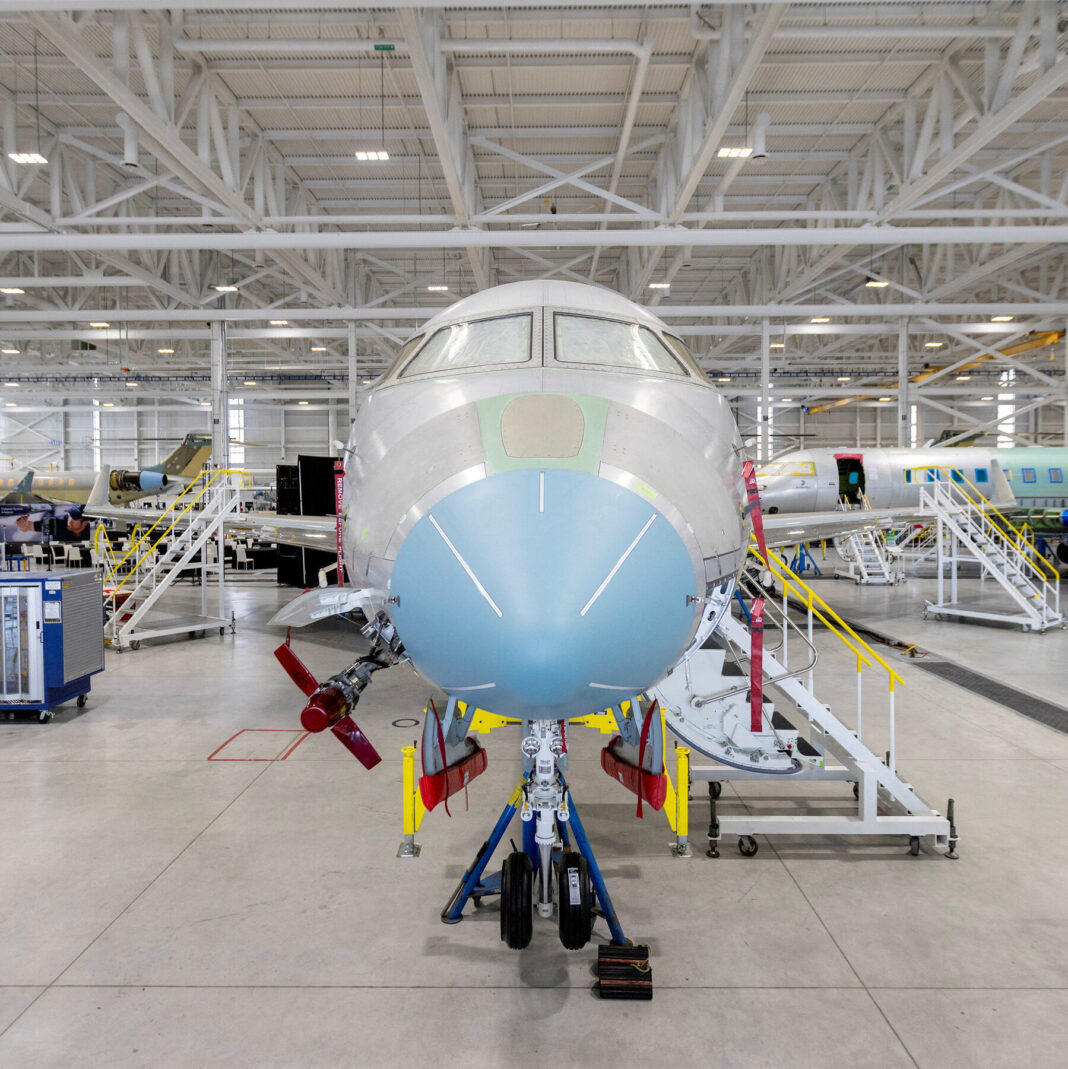
Bombardier, the Montreal-based jet manufacturer, is the latest target in an escalating trade conflict initiated by former President Donald Trump. The company now faces a potential ban on selling its aircraft in the United States, a move that would significantly disrupt its operations. This is not the first time the Canadian firm has been caught in the crosshairs of American trade policy.
Trump has explicitly threatened to bar Bombardier from the U.S. market, which serves as a critical revenue source for the company. The threat follows a series of previous disputes that have tested the relationship between the manufacturer and Washington. These earlier conflicts centered on allegations of unfair pricing and government subsidies, which Bombardier has consistently denied.
The current standoff adds fresh uncertainty for Bombardier, which has already navigated a turbulent decade of restructuring and legal battles. A full sales ban would likely force the company to pivot its focus toward other international markets, though none offer the same scale as the United States. Analysts note that such a move could also ripple through the broader aerospace supply chain, affecting suppliers and workers on both sides of the border.
Trade experts point out that the dispute reflects a broader pattern of aggressive tariffs and threats aimed at Canadian industries. Bombardier’s situation is emblematic of how political tensions can directly shape corporate strategy. The company has previously weathered similar storms, including a bitter tariff fight over its C-Series jet program, which ultimately led to a partnership with Airbus.
For now, Bombardier continues its sales operations in the U.S., but the looming threat casts a shadow over its future planning. Executives are reportedly exploring legal and diplomatic channels to counter the potential ban. Industry observers suggest that the outcome could set a precedent for other foreign manufacturers reliant on American buyers.
The Canadian government has signaled its support for Bombardier, though it has stopped short of announcing immediate countermeasures. Officials have called for dialogue to resolve the matter, but no formal negotiations have been confirmed. The uncertainty leaves Bombardier’s workforce and investors in a precarious position, awaiting a resolution that may take months.
The broader implications extend beyond a single company, highlighting the vulnerability of cross-border trade in a politically charged climate. Bombardier’s fate may hinge on whether cooler heads prevail or whether it becomes another casualty of an ongoing trade war.