Long-term Treasury bond yields reached a 24-year high this week. The rise came despite falling oil prices and cautious comments from a Federal Reserve official. Bond markets are reacting to several competing signals.
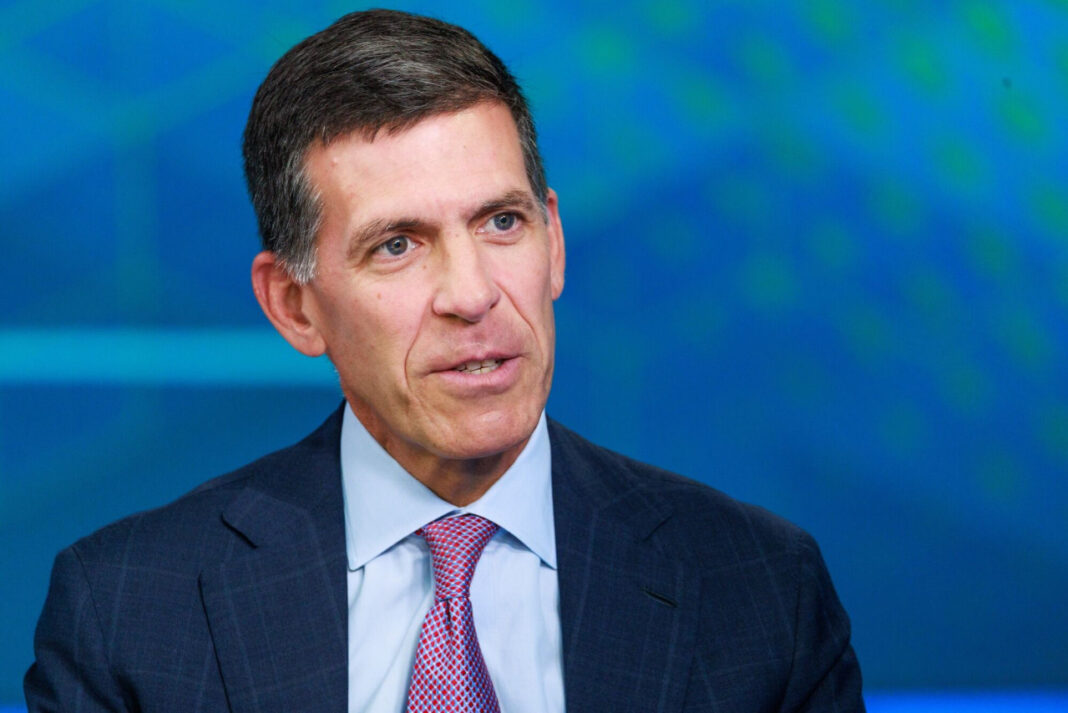
The New York Fed president said there was no need for urgency in raising interest rates. That dovish stance typically supports bond prices and lowers yields. This time, yields moved in the opposite direction.
Oil prices dropped sharply during the same period. Lower energy costs usually ease inflation concerns and reduce pressure on yields. That relationship has broken down in recent trading sessions.
Investors appear focused on other factors driving rates higher. Strong economic data and concerns about government borrowing needs are pushing yields up. The market is looking beyond short-term inflation signals.
The 10-year Treasury yield is a key benchmark for mortgages and corporate loans. Its climb affects borrowing costs across the economy. Homebuyers and businesses face higher financing expenses.
Some analysts point to rising term premiums as a major cause. Investors are demanding more compensation for holding long-term debt. That reflects uncertainty about fiscal policy and future rate paths.
The Fed’s cautious tone has not calmed the bond market. Traders are weighing mixed messages from different officials. Rate expectations remain volatile as a result.
Yields could stay elevated if economic growth remains resilient. A slowdown or a clear drop in inflation might reverse the trend. For now, the bond market is sending a message of its own.