U.S.-Iran tensions are escalating around the Strait of Hormuz, and experts warn this could soon push gasoline prices back toward $4 per gallon. American drivers have enjoyed a brief period of lower fuel costs, which helped slow inflation in recent weeks. That relief may now be short-lived.
The Strait of Hormuz is a narrow waterway through which about 20% of the world’s oil passes. Any disruption there can quickly affect global oil prices. The U.S. and Iran have both deployed military assets to the region, raising the risk of conflict.
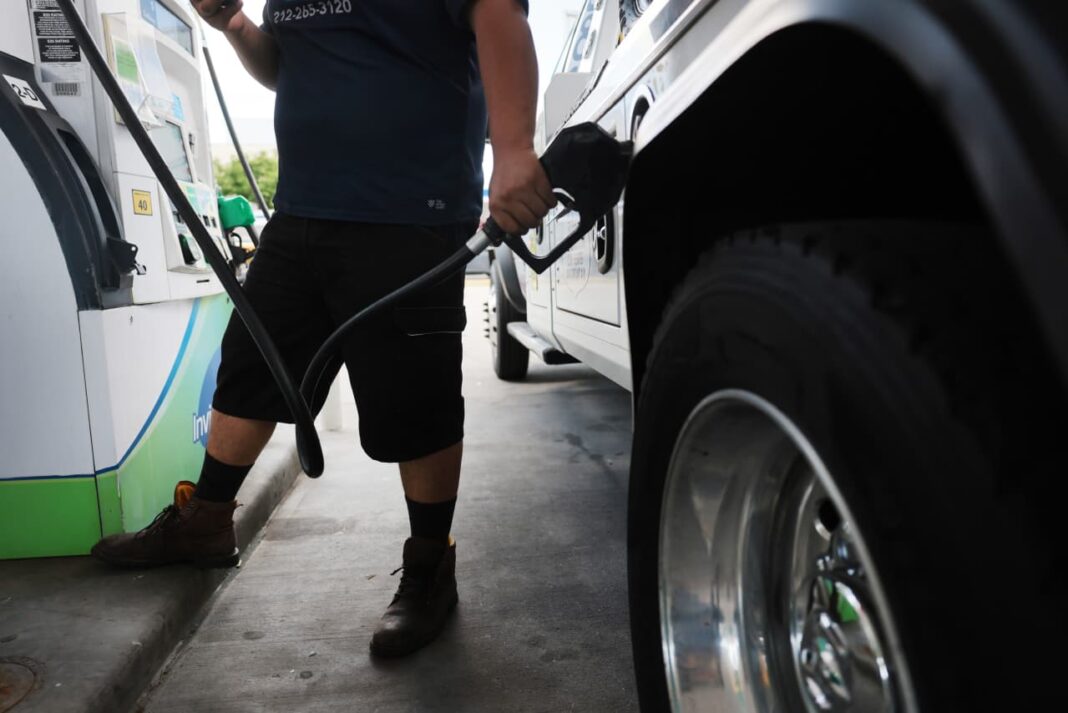
Oil prices have already started to climb in response to the heightened tensions. Analysts say a direct confrontation could send crude prices soaring, with gasoline following closely behind. The average national price for regular gas currently sits below $3.50 per gallon.
Higher gas prices would ripple through the broader economy. Transportation costs rise, pushing up prices for goods and services. This would reverse recent gains in the fight against inflation, which has been a key concern for policymakers.
The situation remains fluid, with no clear resolution in sight. Diplomatic efforts have not produced a breakthrough, and both nations continue to assert their military presence. The global oil market is watching closely.
For now, drivers should expect volatility at the pump. Prices could fluctuate sharply based on any new developments in the region. A sustained price increase remains a real possibility.
The White House has options to stabilize prices, such as releasing more oil from the Strategic Petroleum Reserve. However, those measures have limits and cannot fully offset a major supply disruption.