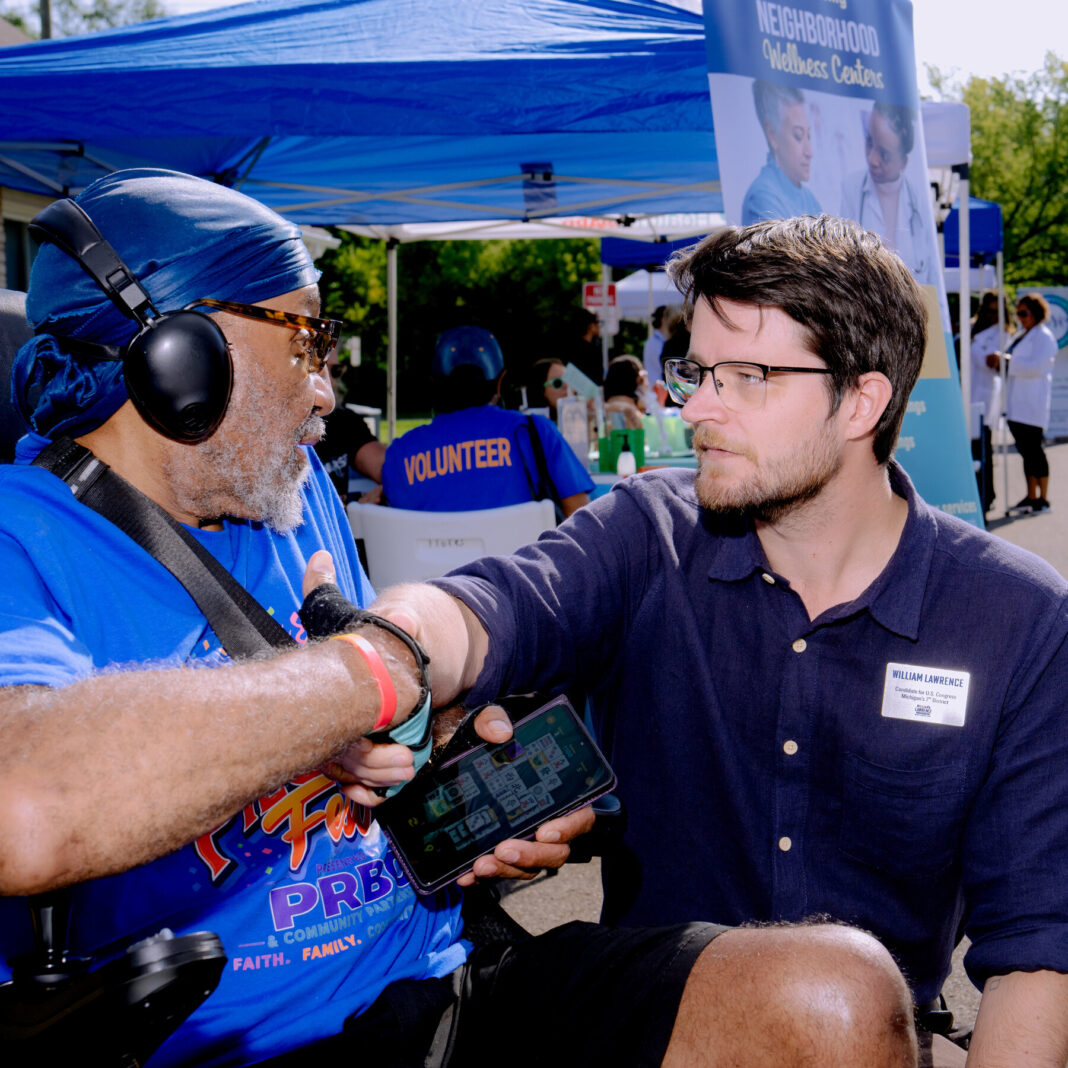
Democrats in Michigan’s 7th Congressional District are watching a closely contested race that could influence the national battle for the House. William Lawrence, a progressive candidate, is challenging first-term Republican incumbent Tom Barrett. The outcome may offer a test case for how the party navigates swing districts ahead of the midterms.
Lawrence is running on a platform that emphasizes economic populism and direct engagement with working-class voters. His campaign has focused heavily on issues like manufacturing jobs, prescription drug costs, and infrastructure investment. These topics are designed to appeal beyond the party’s traditional base in the district, which includes parts of Lansing and surrounding suburbs.
The district itself has a history of shifting between parties, making it a prime target for national strategists. Barrett won the seat narrowly two years ago, benefiting from a strong Republican turnout in rural areas. Lawrence’s team believes that a more aggressive ground game in those same regions could close the gap this cycle.
A central element of Lawrence’s strategy involves holding town halls in communities that typically vote Republican. Rather than avoiding tough questions, his campaign treats these events as opportunities to highlight differences on policy. This approach has drawn both praise and criticism, with some Democrats worried it may energize opposition voters.
Local political analysts point out that the race will likely come down to independent voters in the suburban corridor. Barrett has sought to portray Lawrence as too far left for the district, citing positions on energy regulation and healthcare. Lawrence counters by framing those issues as matters of fairness, not ideology.
National fundraising figures show a competitive financial picture, with both campaigns reporting strong third-quarter hauls. Outside spending has also begun to flow into the district, signaling the race’s importance to party leadership. Voter registration data suggests a slight Democratic edge, though turnout will be the deciding factor.
Lawrence’s campaign has also leaned on digital outreach, using targeted ads to reach younger voters and first-time participants. His team has organized volunteer networks focused on door-to-door canvassing, a tactic that proved effective in recent special elections elsewhere. Whether that intensity translates into votes remains uncertain.
The election is scheduled for November, and early voting begins next month. Both candidates have scheduled multiple debates in the coming weeks, offering voters a direct comparison. For Lawrence, the challenge is clear: turn progressive energy into a winning coalition in a district that has resisted it before.