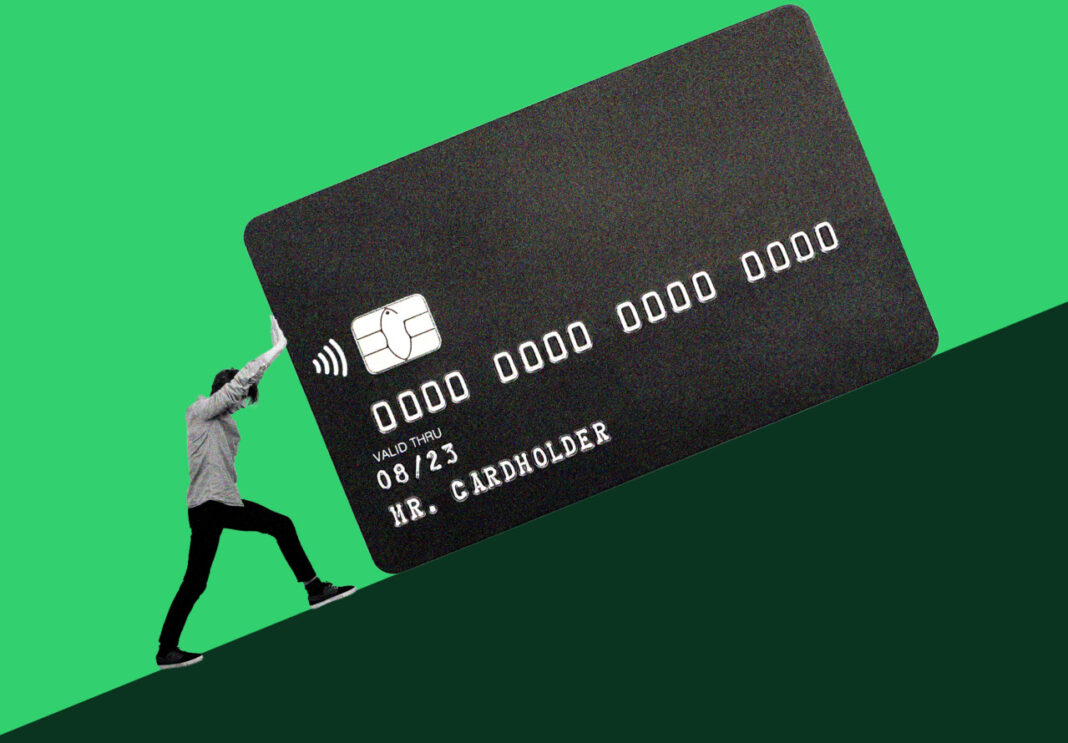
Paying off $4,500 in credit-card debt within two months is an ambitious goal. It requires discipline, planning, and often a significant lifestyle adjustment. A 32-year-old borrower recently asked whether the timeline is realistic.
The short answer is yes, but only under specific conditions. Success depends on income, existing expenses, and access to additional funds. Without a clear budget, the target is difficult to hit.
First, calculate exactly how much disposable income is available each month. Divide the $4,500 by two to get a monthly target of $2,250. Any shortfall must be covered by cutting costs or earning extra money.
Review recurring expenses for immediate reductions. Subscriptions, dining out, and nonessential shopping can free up hundreds of dollars. Every dollar redirected toward the debt shortens the payoff period.
Consider temporary income boosts such as freelance work, overtime, or selling unused items. A side gig can close the gap when salary alone falls short. Balance this against burnout and time constraints.
Avoid taking on new debt to pay old debt. Balance transfers and consolidation loans may lower interest but add complexity. A strict repayment plan works best when it is simple and consistent.
Contact the credit-card issuer to request a lower interest rate or hardship program. Even a small reduction in APR means more of each payment goes toward the principal. Negotiation costs nothing and can accelerate progress.
Track spending weekly rather than monthly to catch overspending early. Small adjustments made quickly prevent larger setbacks later. A two-month sprint demands frequent check-ins and honest accounting.
The borrower’s feeling of not knowing how to manage money is common. Financial literacy often develops through practice, not formal training. Seeking a nonprofit credit counselor can provide structure without judgment.
If the full $4,500 cannot be cleared in two months, extend the deadline rather than abandon the effort. Partial progress still reduces interest and builds momentum. A realistic plan beats an impossible one.
The goal is achievable with focused effort and clear numbers. Success hinges on honest budgeting and consistent follow-through. Starting today matters more than waiting for perfect knowledge.