
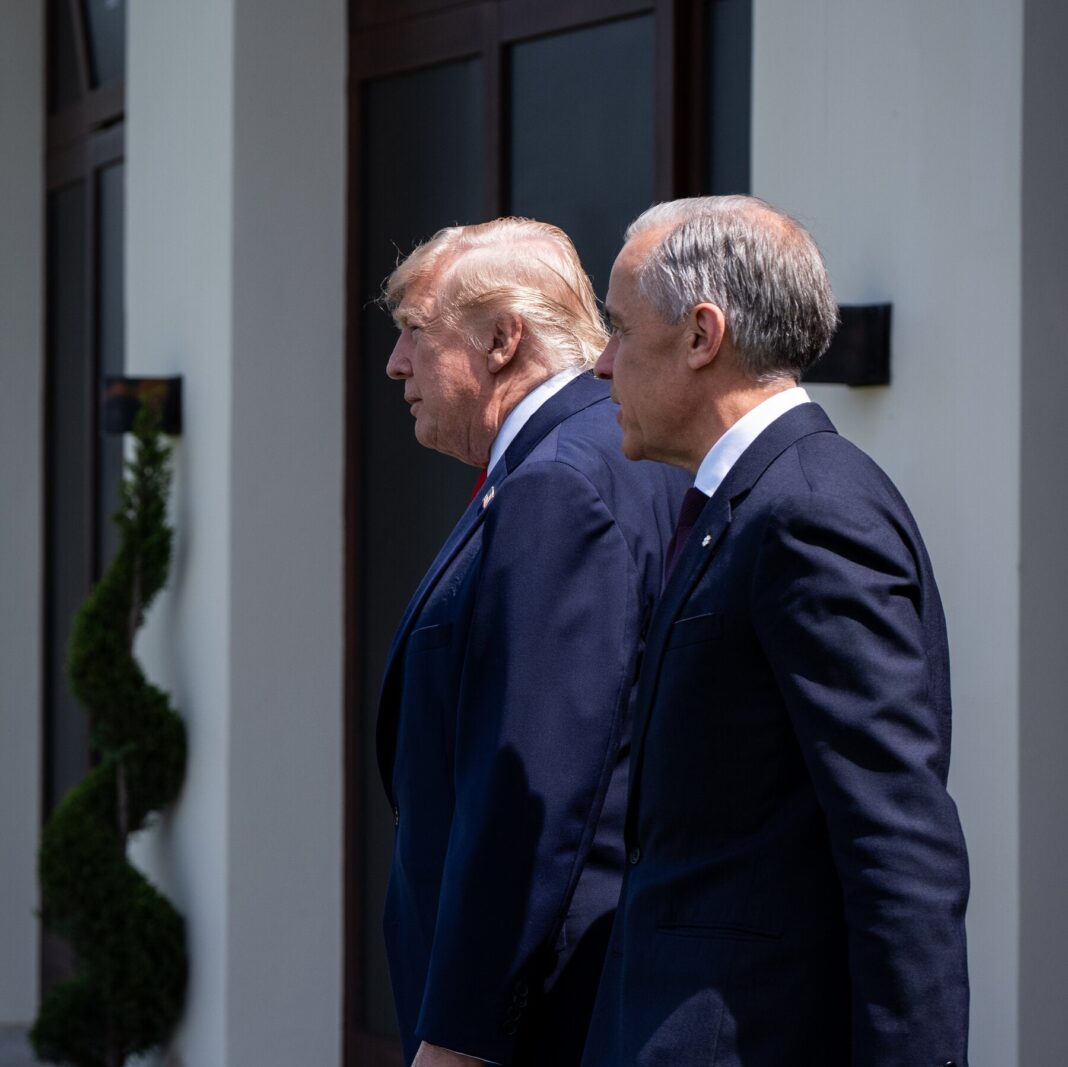
The Trump administration has accused Canadian officials of attempting to influence the upcoming U.S. midterm elections in favor of Democrats. The allegations mark a sharp escalation in rhetoric between the two neighboring allies. Details behind the specific claims have not been publicly substantiated.
Canadian Prime Minister Mark Carney rejected the accusations outright. He stated that the claims carry “no merit” and dismissed them as unfounded. His response came swiftly after the administration’s public statement.
The dispute centers on alleged efforts by Canadian officials to sway electoral outcomes. No formal evidence has been presented to support the interference claims. The administration has not outlined which individuals or agencies are involved.
Election interference accusations carry significant diplomatic weight between allied nations. Canada and the U.S. share extensive economic and security ties that could be affected. The timing places the dispute just weeks before voters head to the polls.
Midterm elections determine control of Congress and shape the president’s legislative agenda. Foreign interference claims have become a recurring theme in recent U.S. election cycles. Both parties have previously raised concerns about outside influence.
Carney’s firm denial signals Ottawa will not accept the allegations quietly. The prime minister’s office has not indicated whether retaliatory measures are under consideration. Diplomatic channels remain open despite the public rift.
The administration has not said whether it will release supporting evidence. Congressional leaders from both parties have requested briefings on the matter. The outcome may hinge on whether concrete proof emerges.




