China’s government bond market is moving in the opposite direction of global peers. Prices for Chinese government bonds have climbed this year, pushing yields lower. On Wednesday, the yield on China’s benchmark 10-year bond fell to as low as 1.7%.
That decline stands out against a worldwide surge in bond yields. Major economies like the U.S. and Europe have seen yields rise as central banks tighten policy. Investors there are demanding higher returns amid inflation and rate hikes. China’s market is reacting to a different set of conditions.
Sluggish economic growth has fueled demand for safer assets in China. Weak consumer spending and a prolonged property slump have weighed on investor confidence. Many are turning to government bonds as a defensive play. That buying pressure lifts prices and drives yields down.
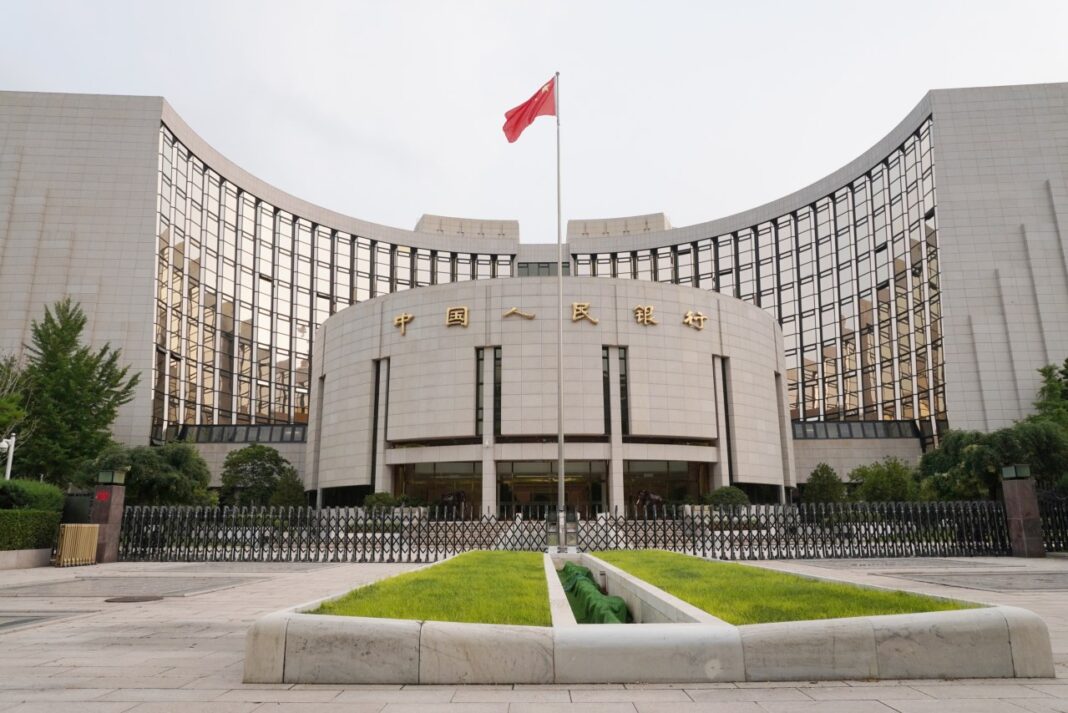
The People’s Bank of China has also kept monetary policy accommodative. Unlike the Federal Reserve or European Central Bank, it is not raising rates aggressively. Instead, it has cut key lending rates to support the economy. That stance keeps domestic borrowing costs low.
A weaker yuan has complicated the picture. Currency depreciation can deter foreign investors from Chinese assets. But domestic institutions remain the dominant force in the market. Their appetite for bonds has proven resilient despite global volatility.
The yield gap between China and the U.S. has widened significantly. Higher U.S. yields attract global capital, putting pressure on the yuan. Chinese authorities face a delicate balance between supporting growth and stabilizing the currency.
For now, China’s bond rally reflects deeper worries about its economic trajectory. Traders are betting on slower growth and further monetary easing. That outlook could keep Chinese yields low even as the rest of the world adjusts to higher rates.