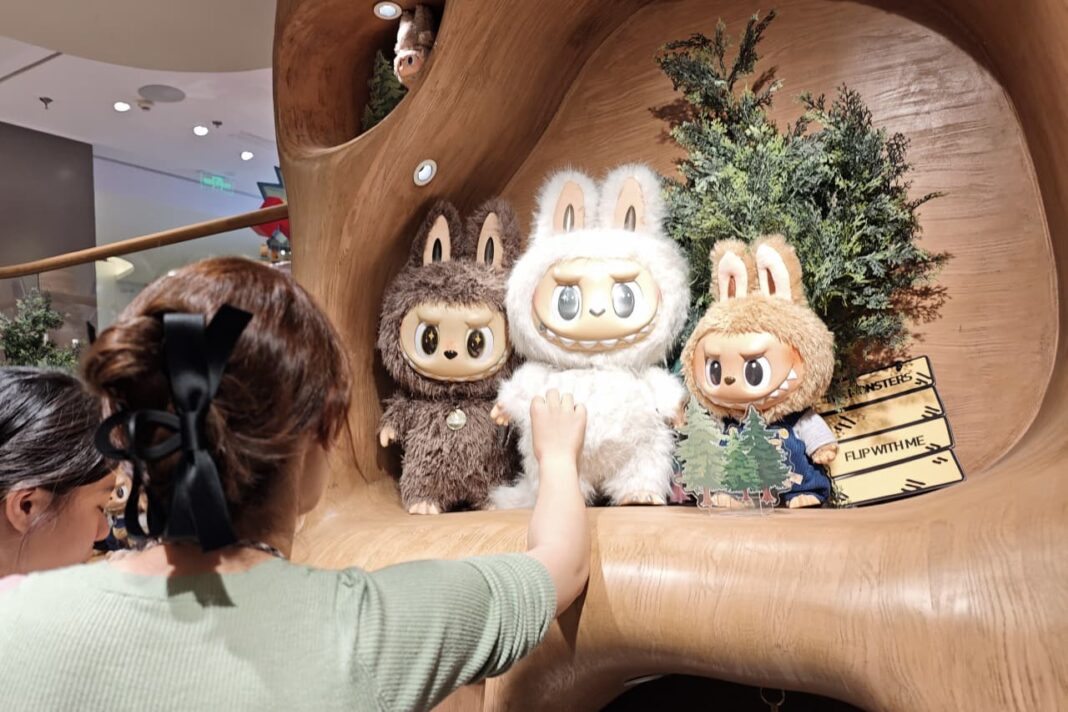
China’s economy is shifting in unexpected ways. A toy elf and a robot police force now highlight the strange reality of the country’s fractured financial landscape.
The property market crash has reshaped consumer behavior. Instead of buying homes, many Chinese citizens now purchase “feelings” through small, emotional goods. This trend reflects a broader coping mechanism amid economic uncertainty.
Sales of comforting items like plush toys have surged. These purchases offer a sense of control and happiness when larger investments feel out of reach. The toy elf, for example, has become a popular symbol of this new spending pattern.
Alongside emotional purchases, China is deploying robot police in public spaces. These machines represent a push for modernization and security, though critics see them as a distraction from deeper economic issues.
The government encourages these shifts as part of a strategy to stabilize the economy. By promoting niche consumption and tech innovation, officials aim to fill the gap left by the property slowdown.
However, analysts remain cautious. The long-term viability of relying on sentiment-driven spending is unclear. Without fundamental structural reforms, these sparks may not ignite sustained growth.
For now, the economy walks a fine line between innovation and desperation. The toy elf and robot police are just two symbols of a nation navigating an uncertain financial future.