Pancreatic cancer remains one of the deadliest diagnoses in oncology. Patients often respond to initial treatment before the disease returns. A new drug called daraxonrasib has shown real promise in extending survival.
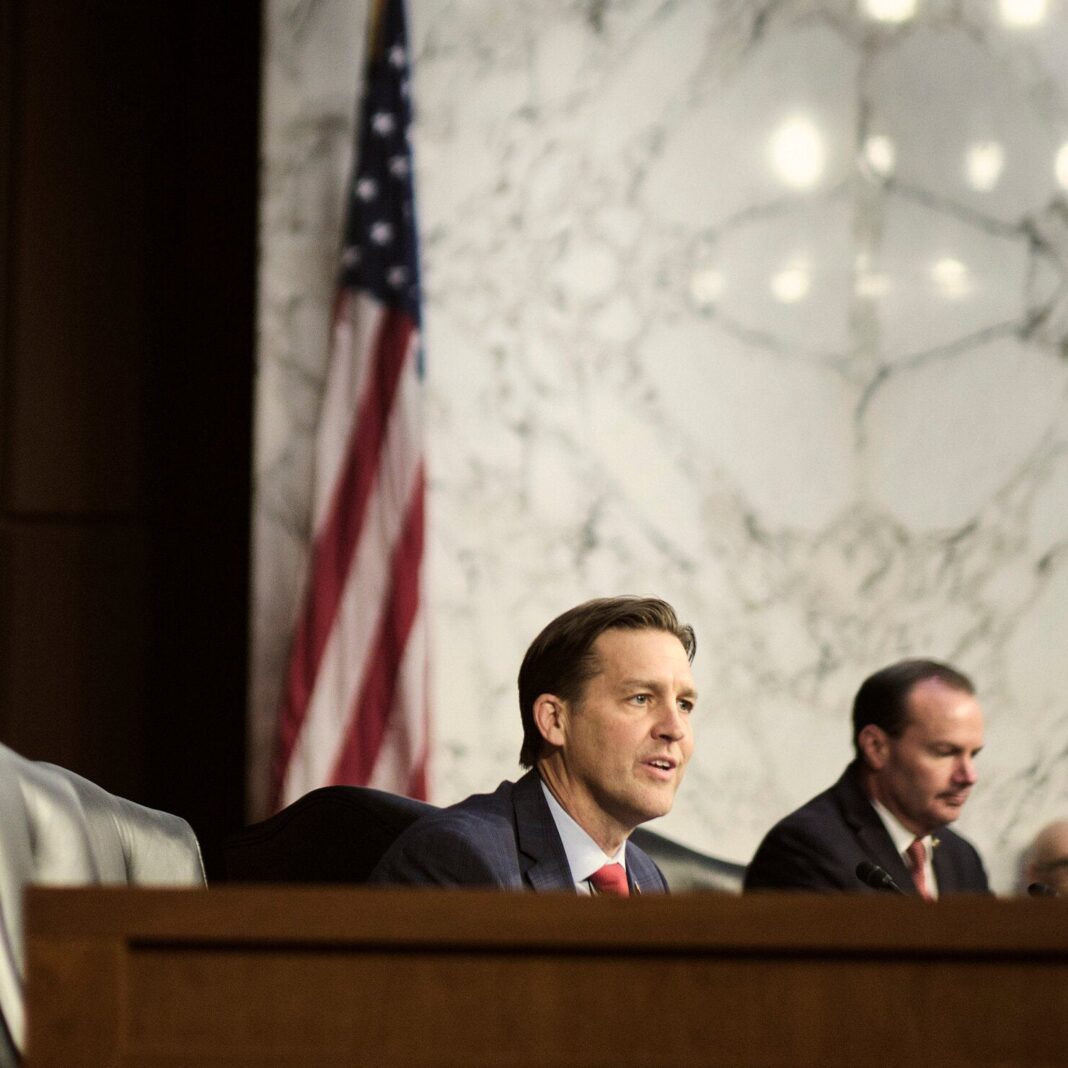
Former Senator Ben Sasse has become a public face of this treatment journey. His experience mirrors that of many patients fighting the disease. He initially responded well before his cancer eventually progressed.
Daraxonrasib targets a specific genetic mutation common in pancreatic tumors. This mutation drives cancer cells to grow uncontrollably. Blocking it can shrink tumors and buy patients valuable time.
That early success does not last forever. Tumors inevitably find ways to bypass the drug’s effects. Researchers are now racing to understand exactly how this resistance develops.
Scientists have identified several possible resistance mechanisms. Cancer cells may acquire new mutations that render the drug ineffective. They can also activate alternative growth pathways that bypass the blocked target.
Understanding these escape routes could lead to better treatment combinations. Doctors might pair daraxonrasib with other drugs to block backup pathways. This approach could delay or even prevent resistance from emerging.
The challenge reflects a broader problem in targeted cancer therapy. Most precision drugs eventually stop working for the same reason. Learning to outmaneuver tumor evolution is the field’s next major frontier.
For patients like Sasse, the stakes could not be higher. Each new insight brings researchers closer to longer-lasting remissions. The goal is not just temporary response but durable disease control.