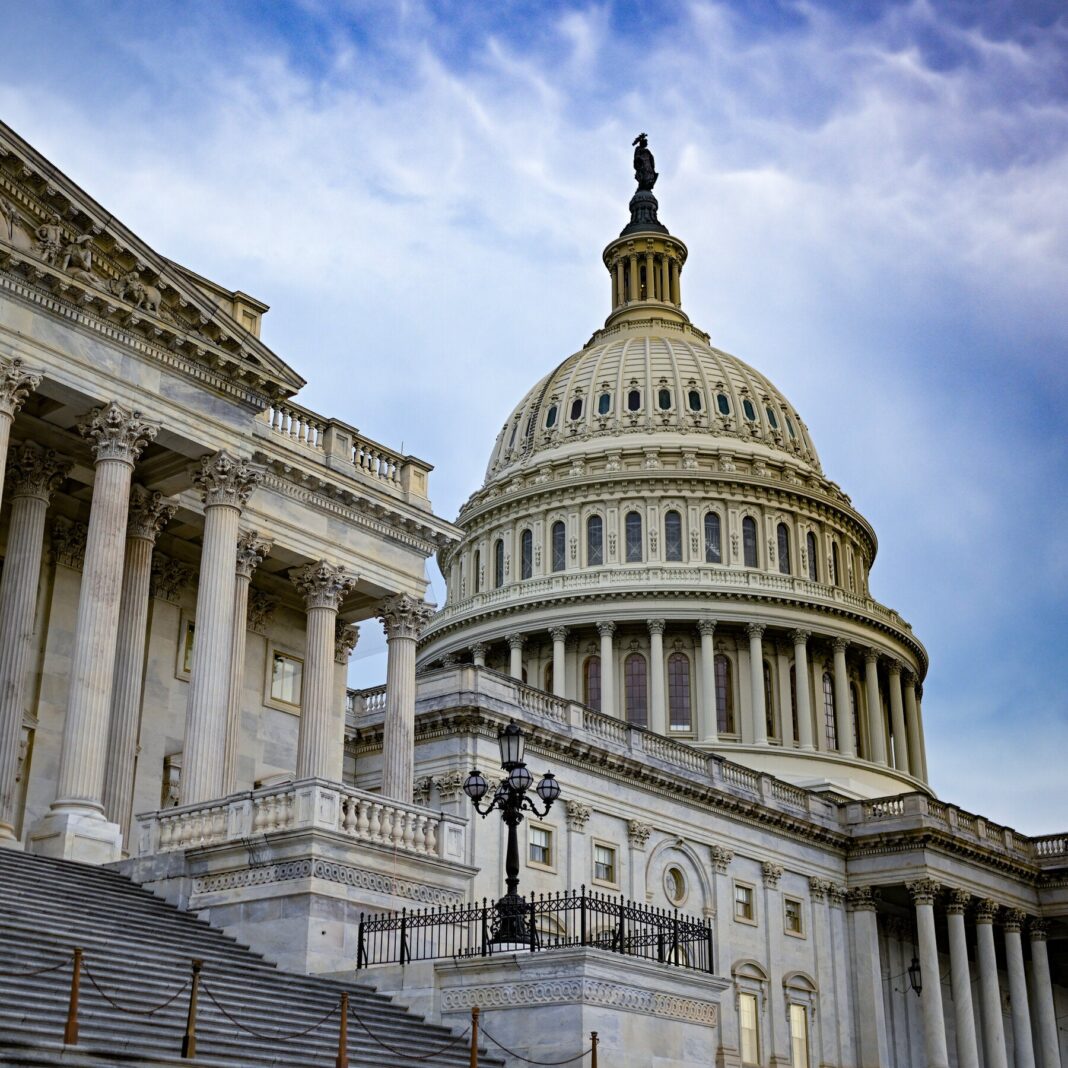
A sweeping Democratic victory in the midterm elections could set up a contested transfer of congressional power early next year. Legal scholars are examining whether a departing Republican majority could attempt to refuse to seat newly elected Democrats. Most experts doubt such a scenario would unfold, but they acknowledge the process leaves room for interference.
Congress seats its own members under constitutional rules that give each chamber final say over election disputes. A determined majority could theoretically challenge results or delay certification of certain races. Those powers were designed for genuine fraud cases, not for overturning clear electoral outcomes.
The January transition follows a strict legal calendar for certifying and swearing in new members. Governors certify state results, and the House and Senate typically accept those certifications without dispute. Breaking that norm would require coordinated action across multiple branches and states.
Several legal safeguards stand in the way of any refusal to seat valid winners. Federal courts have historically stepped in when officials disregard certified election results. State certification deadlines and judicial review create multiple checkpoints before Inauguration Day.
Public pressure and institutional precedent also weigh heavily against such a move. Members of Congress from both parties have traditionally respected certified results to preserve the chamber’s legitimacy. Any attempt to block seating would likely trigger immediate legal challenges and intense political backlash.
Some scholars note that ambiguous language in the Constitution leaves narrow openings for partisan maneuvering. The House and Senate each judge the qualifications of their own members, a power rarely used in modern times. Those provisions were not written with mass seating disputes in mind.
The practical hurdles remain steep, and most analysts expect a normal transition even in the event of a Democratic wave. Preparation by election officials and clear statutory deadlines would make a large-scale refusal difficult to execute. The consensus remains that such a scenario is unlikely, though not entirely impossible.