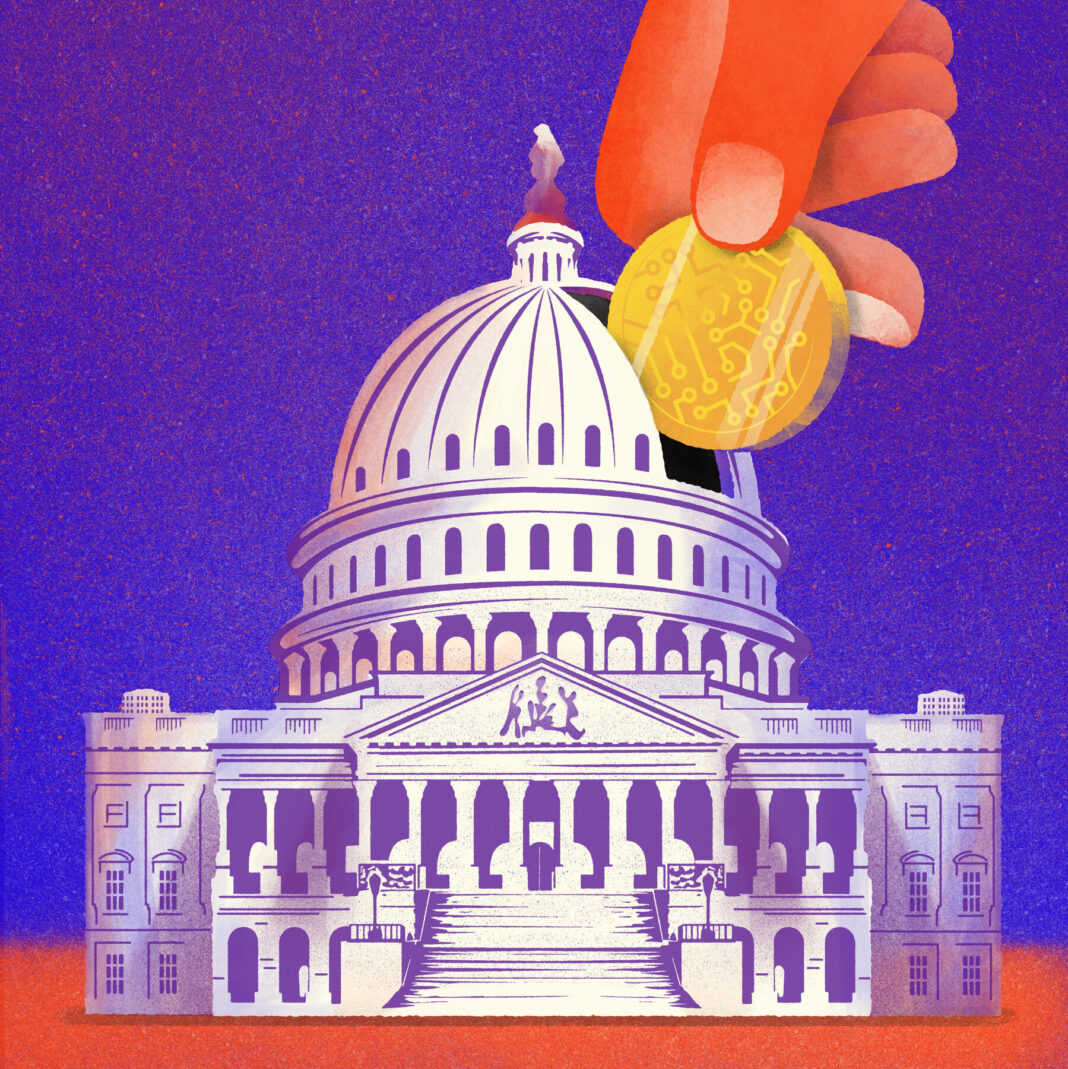
A new bill making its way through the Senate aims to reshape how digital assets are regulated, handing significant influence to the crypto industry. The legislation, known as the Crypto Clarity Act, follows a string of political wins for crypto firms under President Trump. Industry leaders are now pressing lawmakers to adopt a regulatory framework they helped draft.
The bill seeks to define which federal agencies oversee digital currencies, reducing the power of the Securities and Exchange Commission. Under the proposed rules, most cryptocurrencies would be treated as commodities rather than securities. That shift would place primary oversight with the Commodity Futures Trading Commission, an agency seen by many in the industry as more lenient.
Critics argue the measure is a direct attempt by crypto firms to tilt regulation in their favor. Consumer advocates warn the bill could weaken investor protections established over decades. They point to past market collapses and fraud cases as evidence that stronger oversight is necessary.
Proponents counter that the current regulatory environment stifles innovation and drives businesses overseas. They argue the bill provides much-needed legal clarity, allowing companies to operate without fear of sudden enforcement actions. Supporters say this would encourage growth and keep the United States competitive in the digital economy.
Key provisions include a registration process for crypto exchanges and clearer rules for token issuers. The bill also limits the SEC’s ability to classify new digital assets as securities without explicit congressional approval. Industry groups have spent millions on lobbying efforts to advance the measure.
The legislation has divided lawmakers along partisan lines. Republican supporters highlight its potential to boost economic activity, while Democratic opponents raise concerns about consumer risk. A vote in the Senate is expected in the coming weeks.
If passed, the Crypto Clarity Act would represent a major win for the crypto industry and a significant shift in financial regulation. The outcome could set a precedent for how digital assets are governed for years to come.