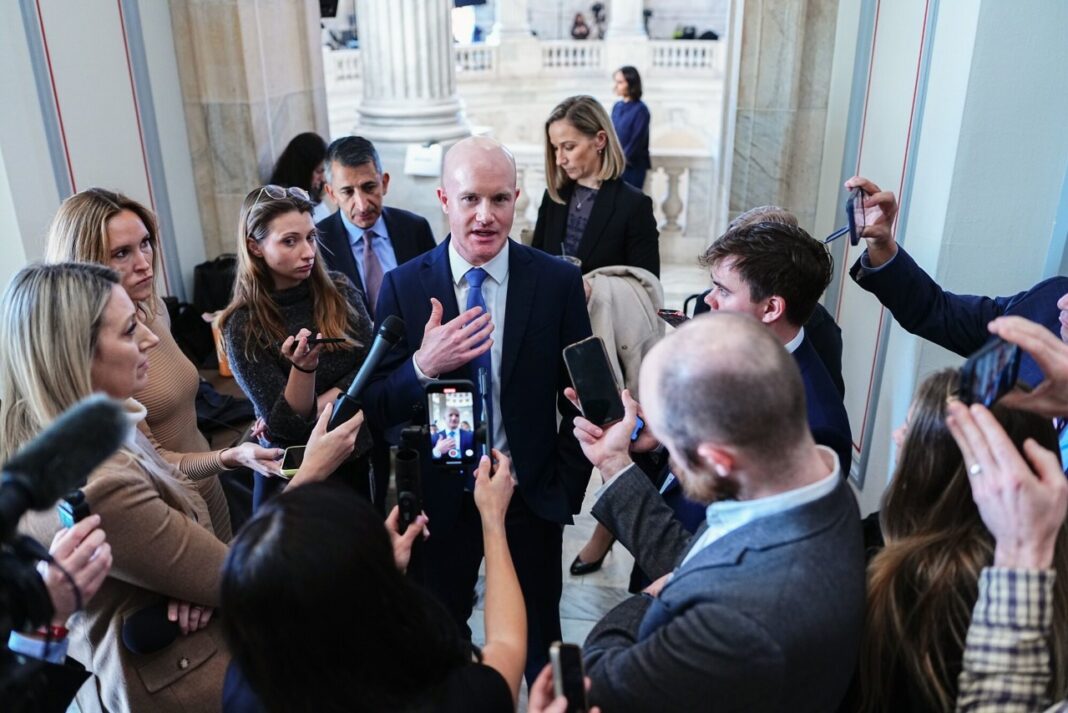
The cryptocurrency industry failed to capitalize on a critical opportunity to integrate with mainstream finance. Coinbase CEO Brian Armstrong became the central figure in a prolonged battle over digital assets. That fight has now given way to finger-pointing across the sector.
Armstrong pushed for clearer rules as crypto sought legitimacy during a key policy window. Competing interests inside and outside the industry blocked a unified approach. The result was missed chances to shape regulation and public trust.
Lawmakers, regulators, and executives now trade blame for the stalled momentum. Some point to the collapse of major exchanges and tokens that eroded confidence. Others blame aggressive lobbying and unrealistic promises from industry leaders.
Armstrong’s high-profile role made him a lightning rod for criticism from both sides. His calls for regulatory clarity often clashed with political realities in Washington. That tension left Coinbase and its peers without a durable path forward.
The fallout extends beyond one company or executive. Investors who backed crypto’s mainstream push now face uncertain returns and tighter scrutiny. Retail users remain wary after repeated scandals and market swings.
The blame game signals a broader reckoning for digital assets. Without a coherent strategy, crypto risks staying on the fringes of finance. Rebuilding credibility will require more than public statements or campaign donations.
For now, the industry’s big moment has passed with little to show in policy wins. The next phase will test whether crypto can move past internal divisions. Accountability, not finger-pointing, will determine its future relevance.