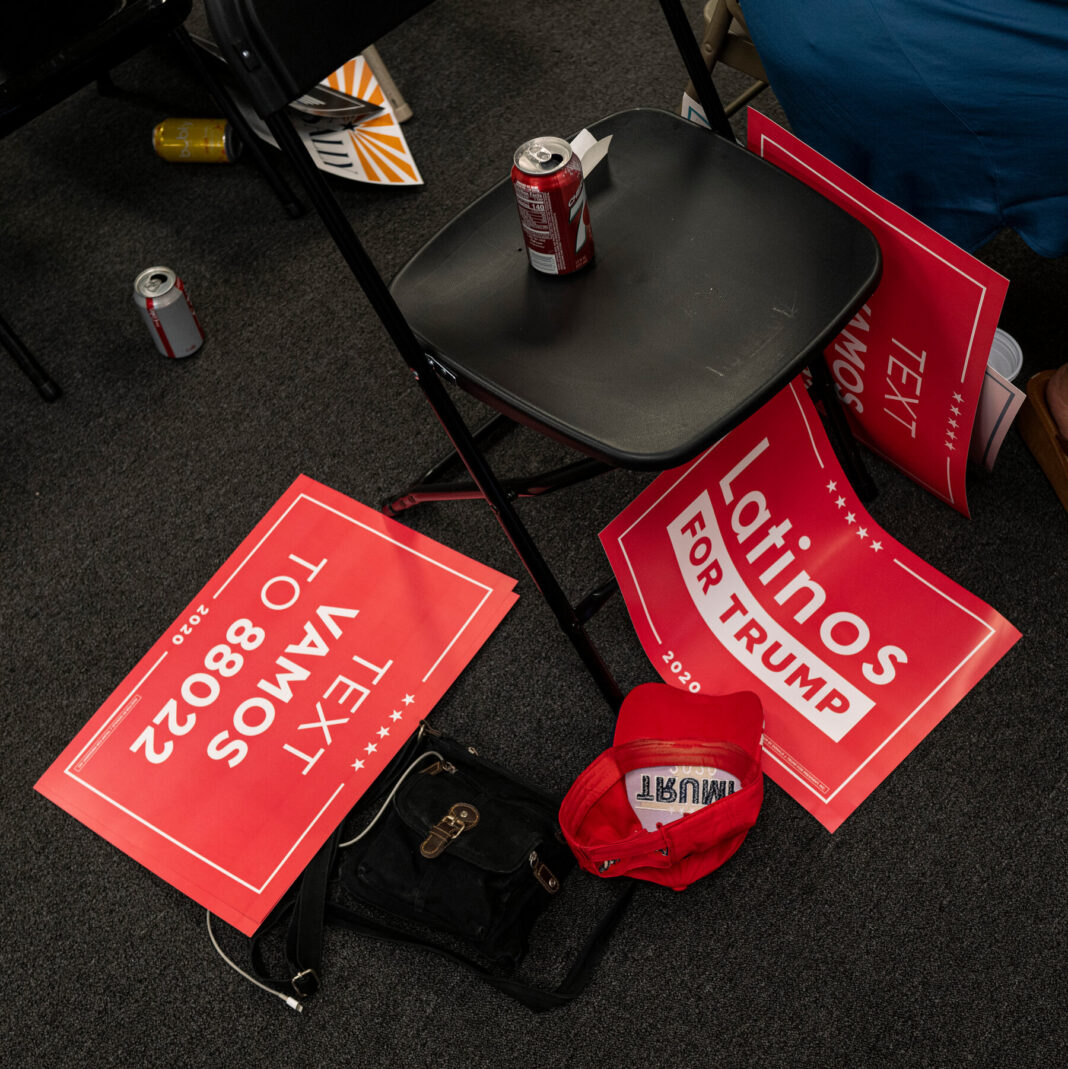
Democrats are shifting their strategy to connect with Latino voters ahead of the midterm elections. The party aims to move beyond what critics have described as cultural pandering. Leaders now focus on economic and policy concerns rather than symbolic gestures.
Key swing voters in this demographic have grown skeptical of past outreach efforts. Polling shows many Latino voters prioritize issues like inflation, jobs, and public safety. Party strategists acknowledge that previous campaigns leaned too heavily on cultural references.
New advertising and messaging efforts center on tangible results. Candidates highlight legislation tied to lower costs and workforce development. The approach seeks to rebuild trust with a voting bloc that has shown increasing independence.
Republicans have made notable gains among Latino voters in recent cycles. Conservative outreach emphasizes small business growth and school choice. This has pressured Democrats to recalibrate their long-standing advantage with the group.
Internal party memos call for more authentic engagement at the local level. Organizers plan to invest in Spanish-language media and community partnerships. The goal is to demonstrate a genuine understanding of everyday struggles.
The shift occurs as both parties prepare for competitive races in districts with large Latino populations. Outcomes in states like Arizona, Nevada, and Florida could hinge on these efforts. Analysts say the new strategy presents a high-stakes test for Democratic leadership.
Early response from focus groups shows cautious optimism. Voters report wanting to hear specific plans rather than general appeals. The party now faces a tight timeline to deliver on its revised promise of practical advocacy.