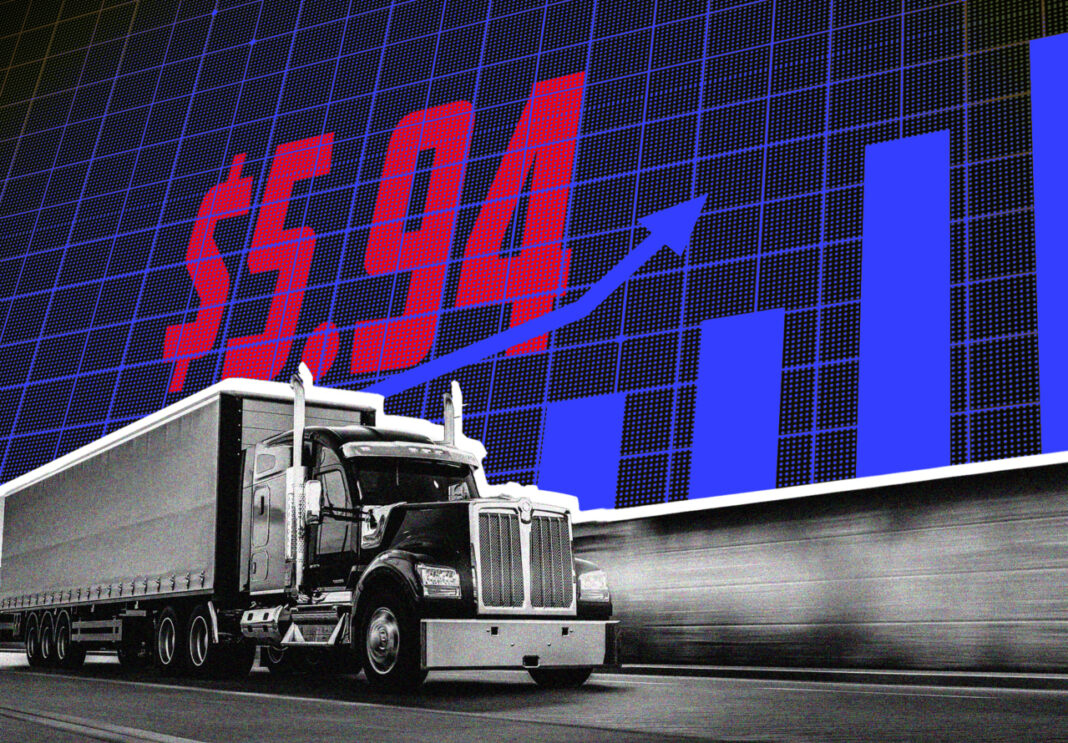
Diesel prices have climbed to a new record, surpassing previous highs set earlier this year. The national average now exceeds $5.50 per gallon in many regions. This surge affects far more than the trucks that burn it.
Most drivers never buy diesel directly, yet its cost shapes the price of nearly everything they purchase. Freight trucks, trains, and ships rely on diesel to move goods. When diesel rises, so does the cost of transporting food, clothing, and electronics.
The latest spike arrives as inflation data reaches the Consumer Price Index, the Federal Reserve, and the European Central Bank in the same week. Policymakers watch diesel closely because it feeds into broader price measures. A sustained increase can complicate decisions on interest rates.
Grocery bills are particularly sensitive to diesel prices. Farms use diesel for tractors, irrigation pumps, and harvesters. Once food leaves the farm, refrigerated trucks and delivery vans depend on the same fuel. Those added costs get passed to shoppers within weeks.
Energy analysts note that diesel demand remains strong even as crude oil prices fluctuate. Refinery capacity for diesel has tightened, partly due to maintenance and global supply shifts. This mismatch between supply and demand keeps upward pressure on prices.
Trucking companies face a difficult choice: absorb higher fuel costs or add surcharges. Many choose surcharges, which ripple through supply chains. Small carriers with less bargaining power often struggle the most, potentially reducing capacity.
Consumers may see the effect first at the pump if they drive diesel vehicles, but the broader impact arrives at the supermarket. Bread, meat, and produce all carry a fuel premium. Until diesel prices ease, relief at the checkout counter remains unlikely.