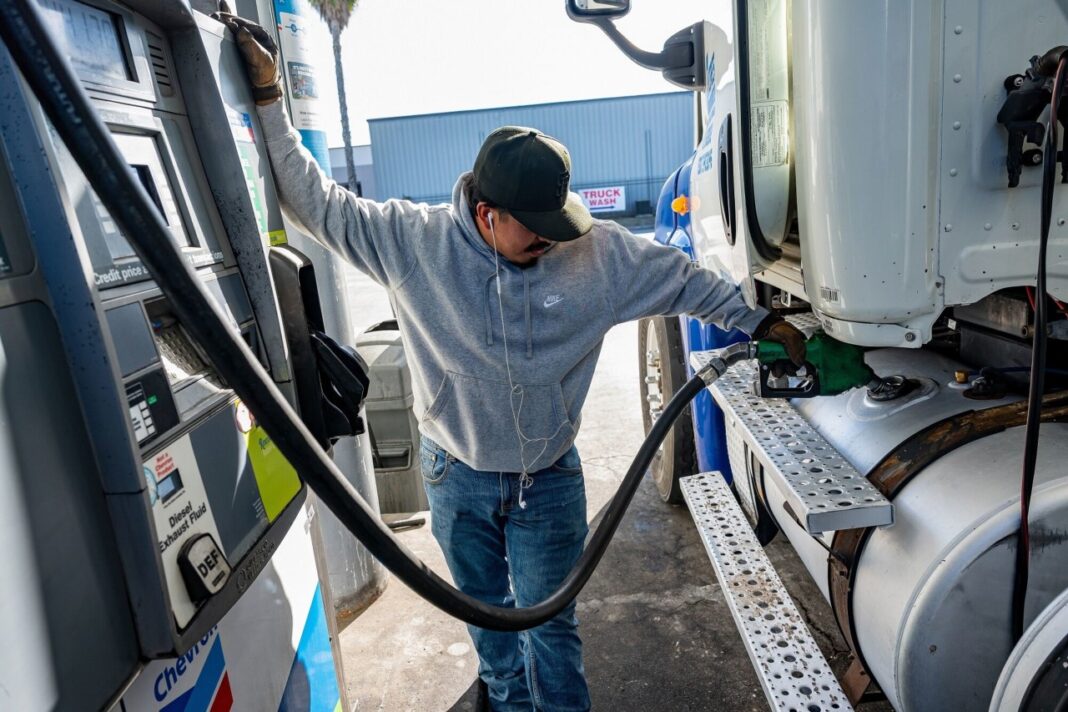
A sharp decline in diesel supplies is raising concerns about renewed inflationary pressures across the U.S. economy. Truckers and farmers are now facing a supply crunch that is pushing prices higher.
The shortage stems from several factors, including refinery shutdowns and lower production levels. These issues have tightened inventories significantly in recent weeks.
Diesel is a critical fuel for transporting goods and powering agricultural machinery. When diesel costs rise, the expense is often passed down to consumers through higher prices on everyday products.
Economic analysts warn that sustained diesel price increases could stall recent progress in cooling inflation. The transportation sector, which relies heavily on diesel, is particularly vulnerable to these cost shifts.
Government data shows diesel stockpiles have fallen to their lowest levels for this time of year in over a decade. This has created a precarious situation for industries dependent on steady fuel supplies.
Refinery outages and maintenance schedules have contributed to the reduced output. Some facilities are also shifting production toward other fuels, further straining diesel availability.
The timing of this shortage is especially challenging, as the agricultural sector moves into harvest season. Farmers face higher operating costs, which may impact food prices in coming months.
Market observers are monitoring the situation closely for any signs of price stabilization. The Federal Reserve could face additional pressure if diesel costs fuel another wave of inflation.
Efforts to boost domestic refining capacity are underway, but these solutions will take time to implement. In the short term, businesses and consumers alike may feel the pinch from higher diesel expenses.