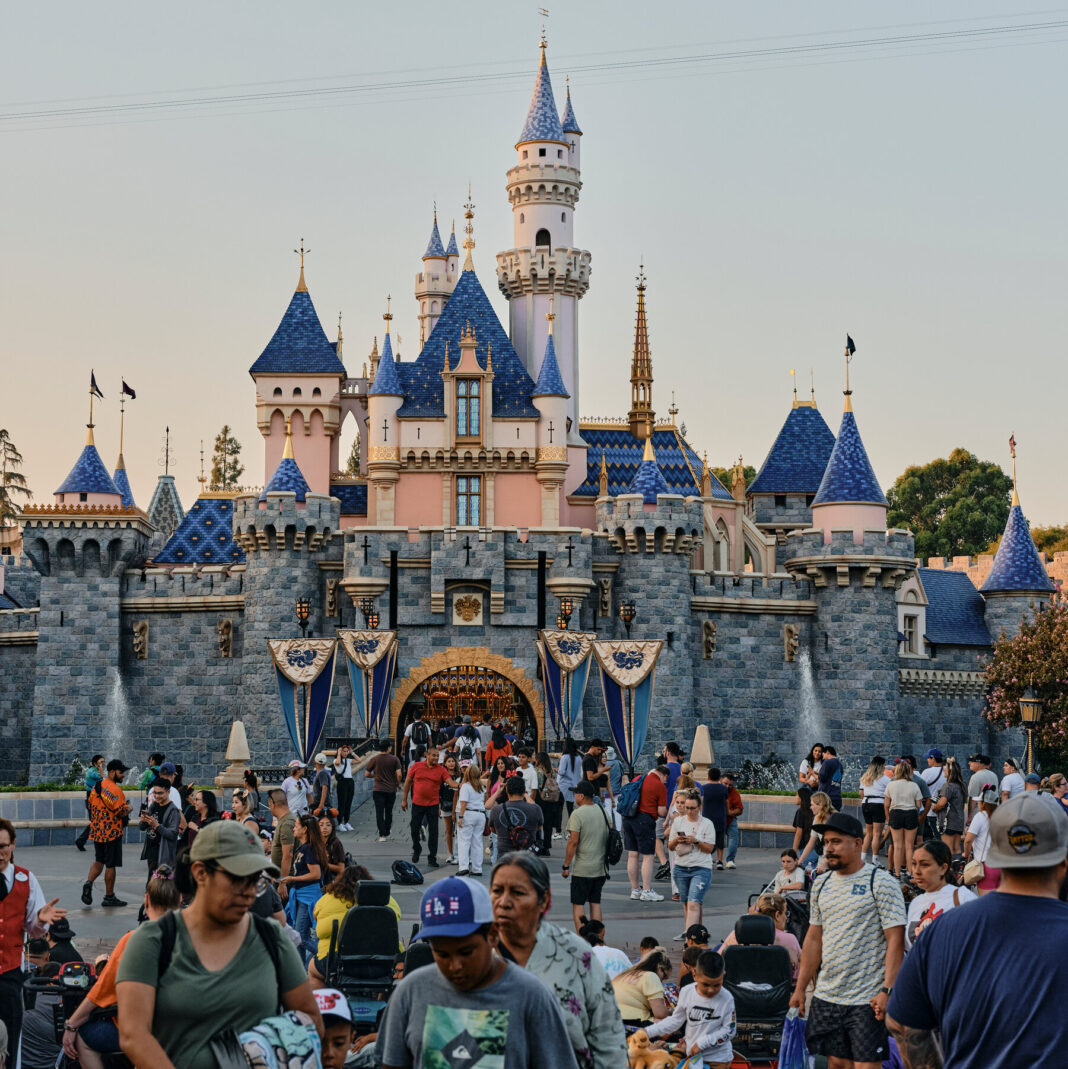
Disney’s theme parks showed resilience in the latest quarter, with domestic revenue climbing 11 percent. The company’s parks and cruises division reported strong attendance and higher guest spending. The results signal sustained consumer demand for leisure experiences despite broader economic uncertainty.
Comcast’s Universal parks, by contrast, experienced a dip in performance during the same period. The company did not specify the exact percentage decline but attributed the slowdown to softer domestic attendance. International park results were mixed, offering little offset to the domestic weakness.
The divergent outcomes highlight a shifting landscape in the theme park industry. Disney’s recent investments in new attractions and cruise capacity appear to be paying off. Universal, meanwhile, faces comparison against a strong prior-year quarter that included the opening of a major attraction.
Wall Street analysts noted that Disney’s pricing power and brand loyalty continue to provide a buffer against inflationary pressures. Guests are spending more on premium experiences, including dining and merchandise. This trend helped offset higher operating costs at Disney’s U.S. properties.
Comcast executives pointed to a normalization of demand following a post-pandemic surge. They emphasized that long-term fundamentals remain intact, with new park expansions planned in the coming years. Still, the immediate outlook for Universal remains cautious.
Disney’s international parks also contributed positively, with revenue growth in Asia and Europe. Cruise lines, a high-margin segment, saw record bookings. The company raised its full-year guidance for the parks division, citing robust forward reservations.
The results come as consumers show selective spending habits, prioritizing experiences over goods. Theme park operators are closely watching travel trends into the fall and holiday seasons. Both companies expect increased competition for visitor dollars as new rides and hotels come online.
Industry observers view the quarterly results as a barometer for discretionary spending. Strong performance at Disney suggests high-income households remain willing to spend on entertainment. Universal’s dip, however, serves as a reminder that not all operators are immune to demand shifts.