Israeli strikes on Gaza have intensified, raising questions about the viability of a proposed peace framework. The military action comes as President Trump unveiled a plan designed to address the ongoing conflict. The proposal calls for the disarmament of Hamas and a subsequent withdrawal of Israeli forces from the Palestinian enclave.
The escalating bombardments mark a significant escalation in the region. They directly contrast with the diplomatic efforts outlined in the new initiative. Analysts suggest the renewed violence could undermine the conditions necessary for negotiations to begin. The disconnect between the proposed plan and the reality on the ground is stark.
The plan itself represents a dual-pronged approach, targeting both militant capabilities and the Israeli military presence. However, the current offensive complicates the timeline for any potential agreement. The stated goal of the proposal is to create a stable environment after years of conflict. Yet, the latest strikes have resulted in further casualties and destruction.
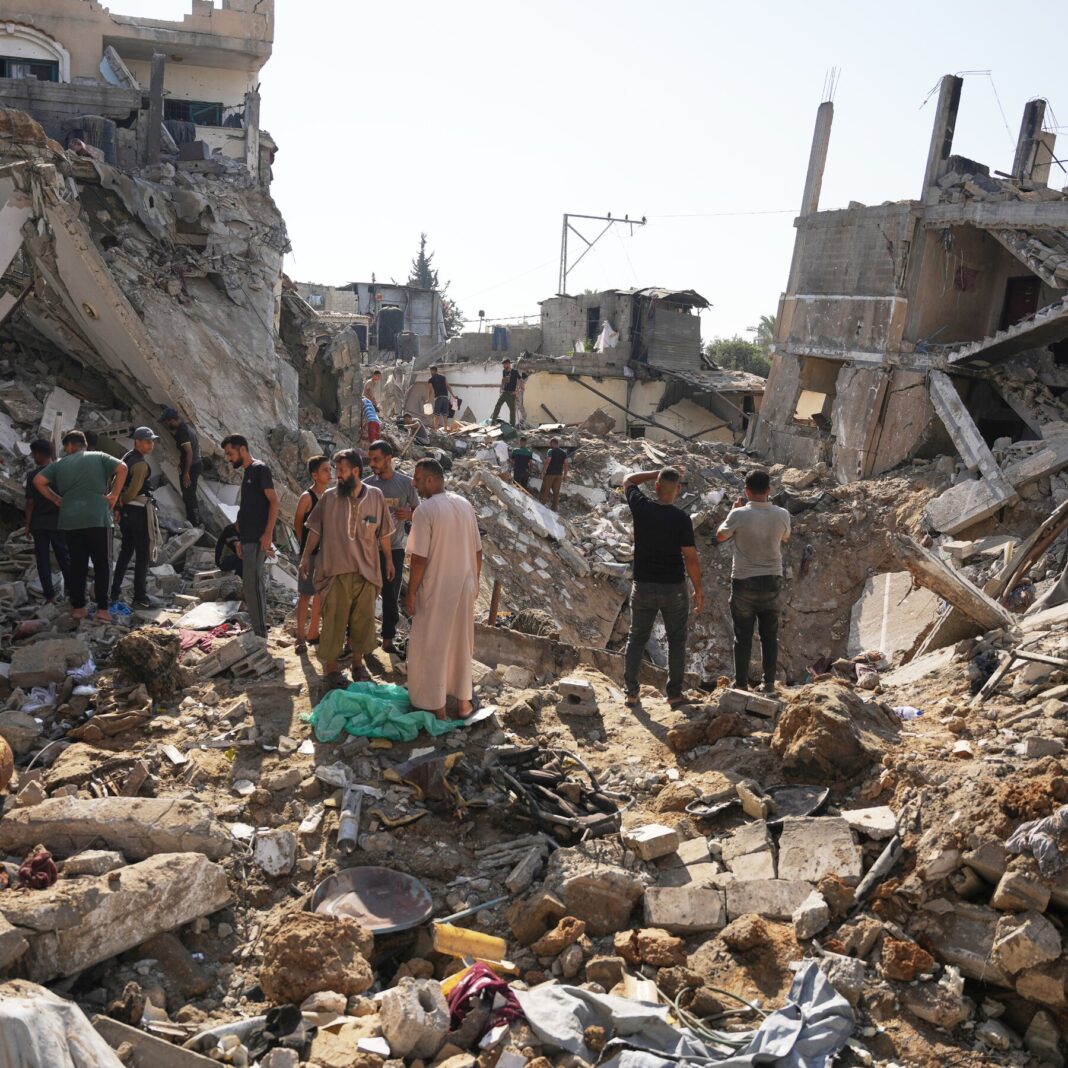
Local officials report that the latest round of attacks has hit residential areas and infrastructure. This has exacerbated an already severe humanitarian situation in the region. The fighting shows no immediate signs of abating, despite the international focus on the peace proposal. The gap between the political track and the military track appears to be widening.
Observers note that the success of any peace plan often hinges on a cessation of hostilities. The current trajectory suggests that such a condition is not yet being met. The announcement of the plan had offered a glimmer of hope for a diplomatic solution. The subsequent military actions, however, have quickly dampened those expectations.
The future of the proposal now seems uncertain. It remains unclear whether the parties involved are committed to the path of de-escalation. The coming days will be critical in determining if the peace plan can gain any traction. The situation on the ground will likely dictate the pace of any political movement.
The international community is closely monitoring the developments, urging restraint from all sides. The feasibility of the plan hinges on a tangible shift in strategy. Without a change in the current course, the prospects for peace appear increasingly fragile.