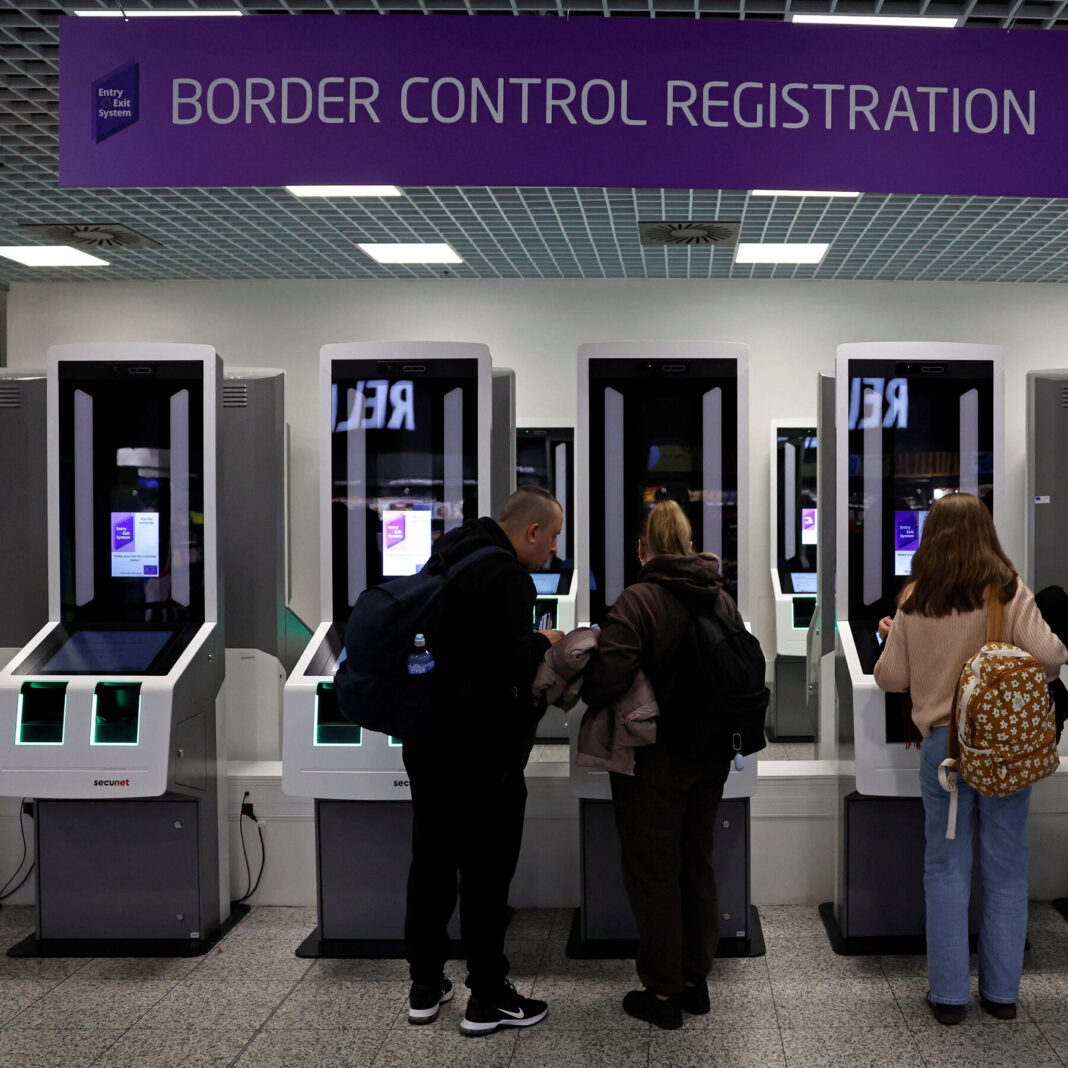
EU Officials Reject Request to Delay Biometric Border Checks Amid Summer Travel Chaos
European Union leaders have declined a formal request from aviation industry groups to suspend the Entry/Exit System (EES) at airports across the bloc. The decision comes as the biometric screening process continues to generate long queues and missed flights for passengers. Airline and airport representatives had argued the system would exacerbate delays during the peak summer travel period.
The EES, which requires non-EU travelers to register fingerprints and facial scans upon entry and exit, has faced persistent technical and logistical challenges since its phased rollout. Officials in Brussels maintain the system is essential for strengthening border security and tracking overstays. They argue suspension would undermine years of preparation and investment.
Travelers arriving at major hubs like Paris Charles de Gaulle and Amsterdam Schiphol have reported wait times exceeding three hours at EES checkpoints. Some have missed connecting flights as a result. The aviation industry warned the situation would worsen as passenger numbers climb toward pre-pandemic levels this summer.
Industry groups, including Airlines for Europe and the International Air Transport Association, had urged a temporary pause until airlines and airports could implement adequate staffing and technology upgrades. They emphasized the current pressure on ground operations is unsustainable. The EU’s rejection leaves carriers scrambling to manage passenger flow without additional support.
Under the EES framework, travelers from the United Kingdom, the United States, and other non-Schengen countries must undergo biometric checks each time they cross an external EU border. The system replaces manual passport stamping but introduces new bottlenecks at busy airports. EU officials plan to expand the scheme to rail and sea borders in coming months.
European Commission representatives acknowledged operational difficulties but insisted the system is functioning as intended for the majority of travelers. They pointed to ongoing efforts to deploy more e-gates and self-service kiosks at major entry points. However, installation has been slower than anticipated at some airports.
The aviation sector now faces a difficult summer, balancing record demand with compliance requirements that slow processing speeds. Airlines advise passengers to arrive at airports at least three hours before departure for flights to EU destinations. Travelers should prepare for potential delays and ensure their biometric data is accurate and up to date.
Critics argue the EES rollout lacked sufficient pilot testing and coordination with airport authorities. They call for a more gradual implementation to avoid overwhelming infrastructure during busy periods. The EU has not signaled any willingness to adjust the timeline.
This summer will serve as a critical test of the biometric system’s capacity under real-world pressure. If delays persist, pressure on EU leaders to revisit the policy may grow. For now, travelers and airlines must adapt to a new normal at European borders.