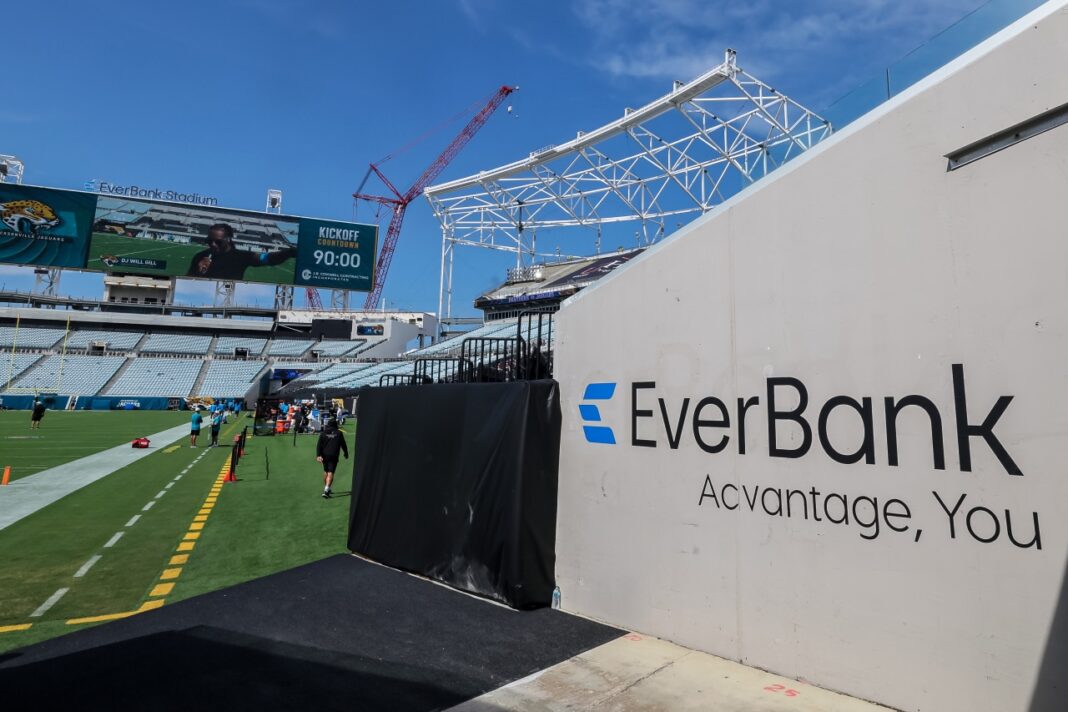
EverBank Financial, headquartered in Florida, has agreed to a reverse merger with WaFd, a smaller bank based in the Pacific Northwest. The combined institution is expected to hold approximately $75 billion in assets.
The transaction will position the merged entity as a significant regional player with an expanded footprint across the United States. WaFd’s existing operations will remain central to the new corporate structure, given the reverse merger arrangement.
Under the terms of the deal, EverBank’s shareholders will receive a stake in the combined company, with WaFd continuing as the parent entity. The merger is designed to leverage complementary strengths in commercial banking and deposit gathering.
Executives from both firms have stated that the combination will enhance lending capabilities and broaden customer access to digital banking services. The deal follows a period of consolidation in the mid-sized banking sector, driven by pressure to reduce technology and compliance costs.
Regulatory approvals are still required, and the merger is expected to close in the coming months pending clearance from federal banking authorities. Analysts note that the combined bank will face increased scrutiny over capital levels and integration risks.
WaFd’s leadership team will oversee the merged operation, while EverBank’s management will play key roles in the combined company’s Florida and national business lines. Employee impacts have not been fully disclosed, though executives have indicated that operational overlaps will be reviewed.
Customer accounts from both banks are expected to remain active throughout the transition period. The merger announcement has drawn attention from market watchers who see it as a move to strengthen competitiveness against larger national banks.
Financial advisors for both parties have been engaged to guide the transaction through due diligence and shareholder votes. The deal’s final valuation will depend on share price movements leading up to closing.
Overall, the merger signals continued reshaping of the U.S. banking landscape as mid-tier institutions seek scale to navigate rising interest costs and evolving regulatory demands.