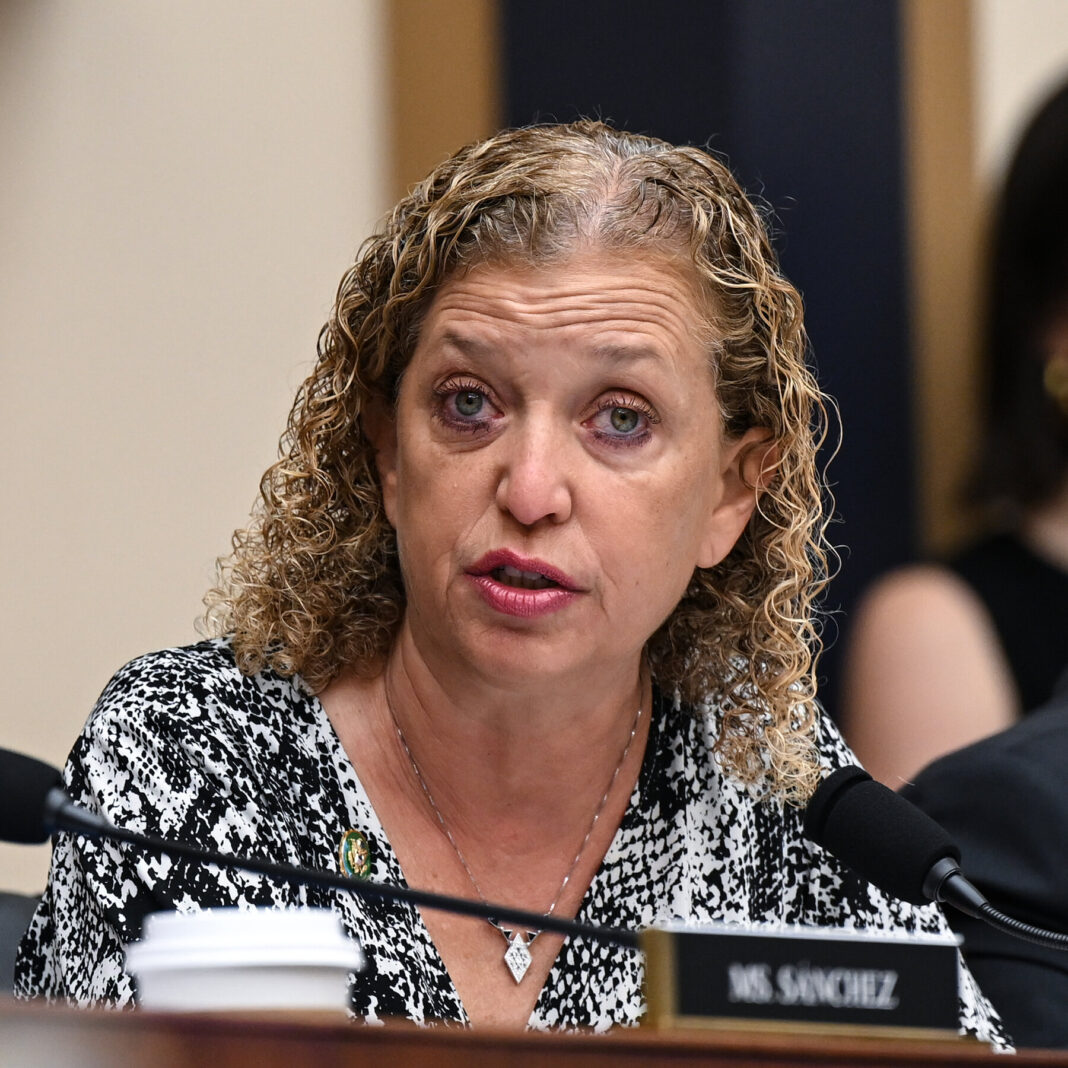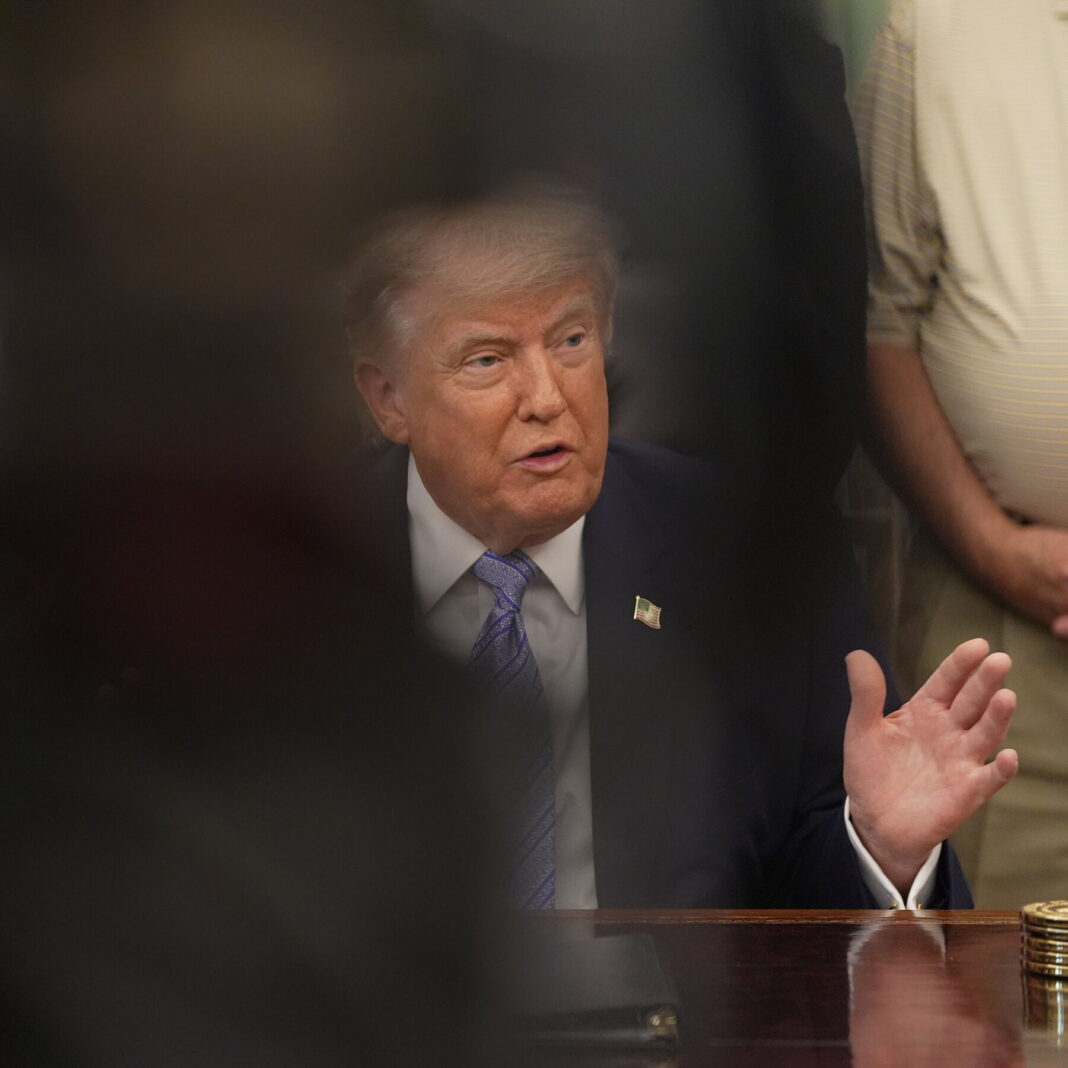
The president, vice president, and acting attorney general have made a series of inaccurate claims to defend a newly announced $1.8 billion fund. The fund, unveiled this week, has drawn scrutiny for its unusual structure and purpose. Fact-checking reveals significant misstatements from the administration about its origin and oversight.
Officials have repeatedly mischaracterized the fund’s source, claiming it came exclusively from cost-cutting measures. In reality, the money was redirected from multiple federal accounts, including those for disaster relief and infrastructure maintenance. This contradicts the administration’s narrative of fiscal efficiency.
Another false claim centers on oversight. The administration stated the fund would be monitored by an independent auditor, but no such arrangement exists. The fund operates under direct executive control, with no congressional or public reporting requirements. This lack of transparency has raised legal and ethical concerns.
The vice president also inaccurately described the fund as a routine budget mechanism. Experts note that such a large, discretionary fund is unprecedented outside of emergency wartime measures. The administration’s attempt to frame it as standard procedure misleads the public about its scope.
Furthermore, the acting attorney general wrongly asserted that the fund had bipartisan support. No legislative approval was sought, and key lawmakers from both parties have since criticized its creation. The claim appears to conflate unrelated discussions with actual endorsement.
These errors suggest a coordinated effort to downplay the fund’s controversial nature. Each falsehood, when corrected, reveals a pattern of disregard for factual accuracy. The administration has not offered a consistent explanation for the discrepancies.
Journalists and watchdogs continue to call for greater transparency. As legal challenges mount, the accuracy of these defenses may determine the fund’s future. For now, the public is left with a series of claims that do not hold up to routine scrutiny.