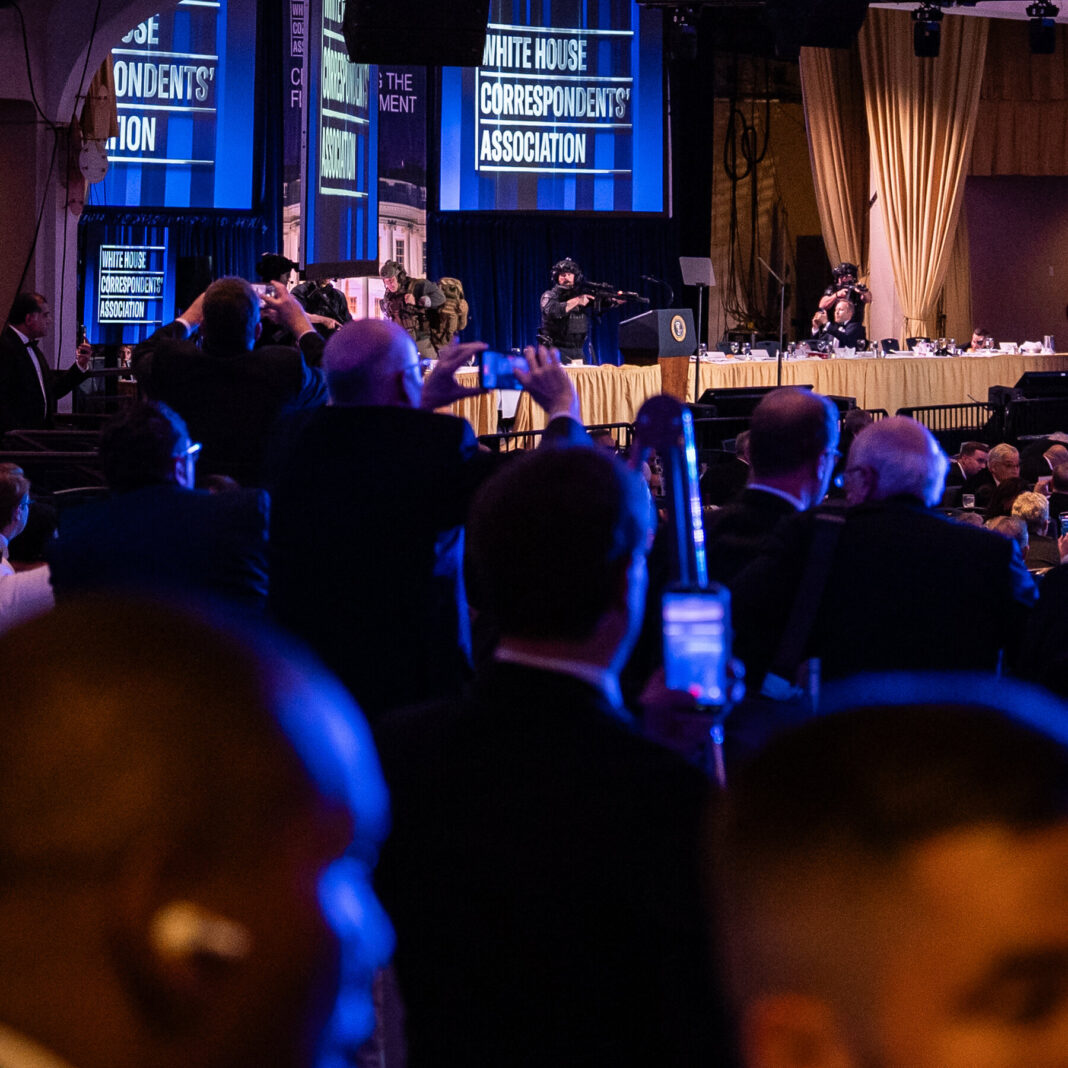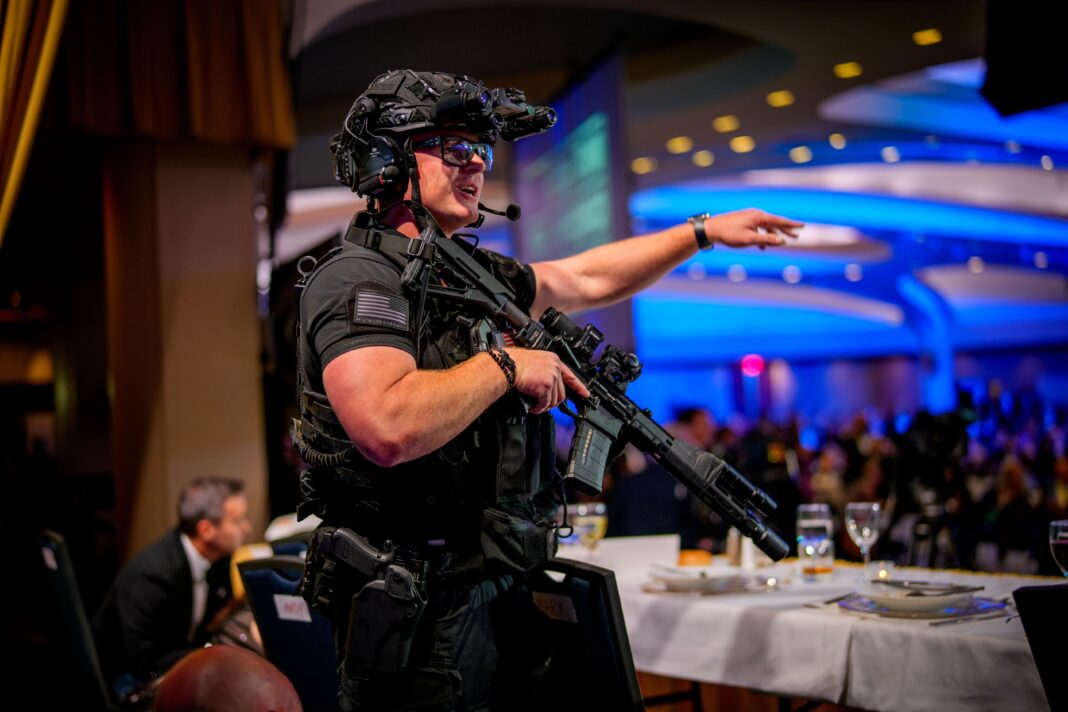
Following the attack at the White House Correspondents’ Dinner, the word “staged” surged across social media platforms. Both right- and left-wing influencers and anonymous accounts spread unfounded conspiracy theories. The claims have no basis in evidence but continue to circulate widely.
Law enforcement officials have not confirmed any details that would support these theories. Authorities are still investigating the incident. No official statement has addressed the false narratives.
Social media platforms struggle to contain the spread of such misinformation. Algorithms amplify sensational content. Fact-checkers work to flag false claims.
The event itself was a high-profile gathering of journalists and politicians. Reports of the shooting initially triggered confusion. Conspiracy theories filled the information void.
Such narratives often emerge after major events. They thrive on distrust of institutions. Emotional responses fuel their rapid spread.
Experts warn that these theories undermine public trust. They distract from legitimate investigations. Critical thinking is essential when evaluating unverified claims.
Organizations continue to promote media literacy. They encourage users to verify sources. Skepticism of viral content remains a valuable tool.