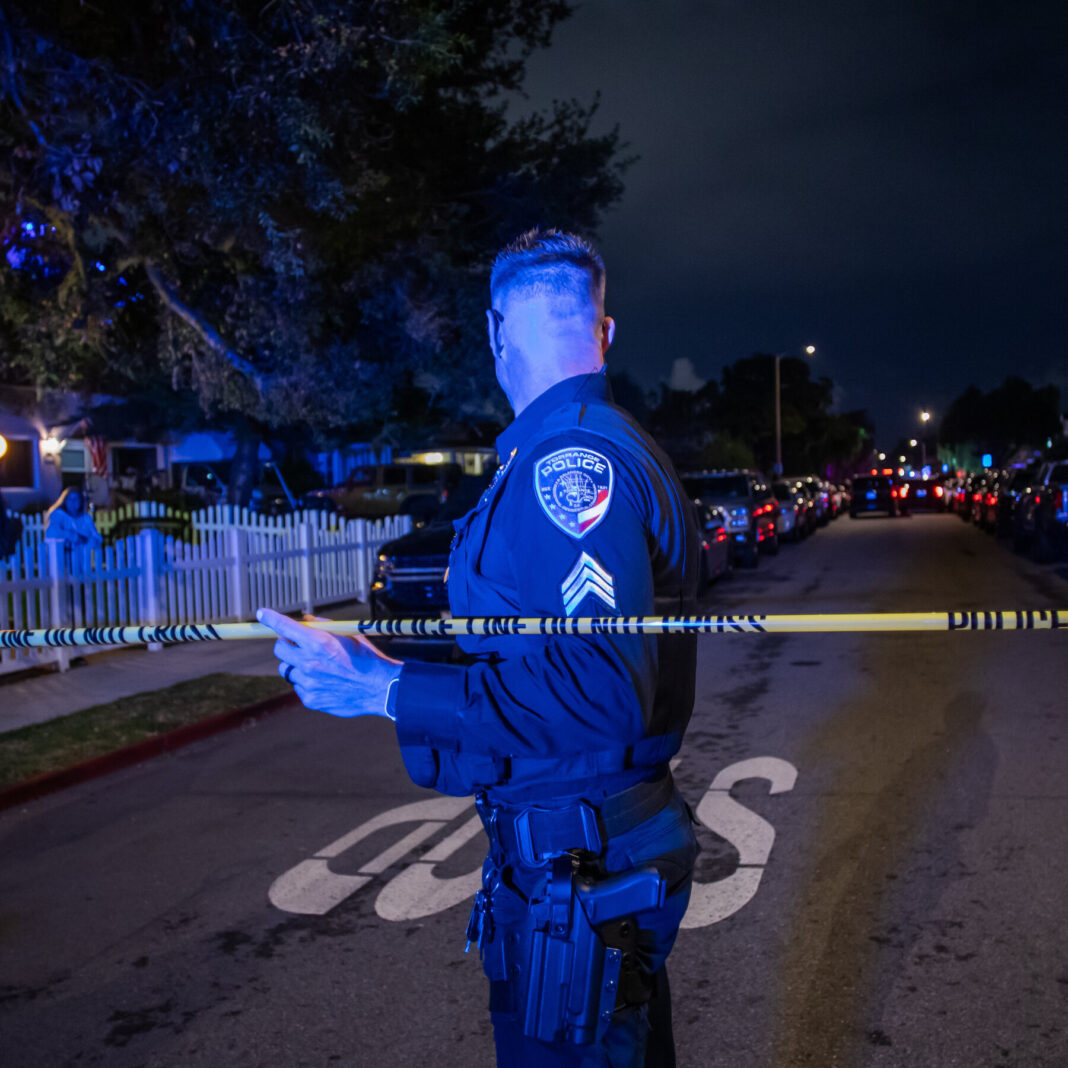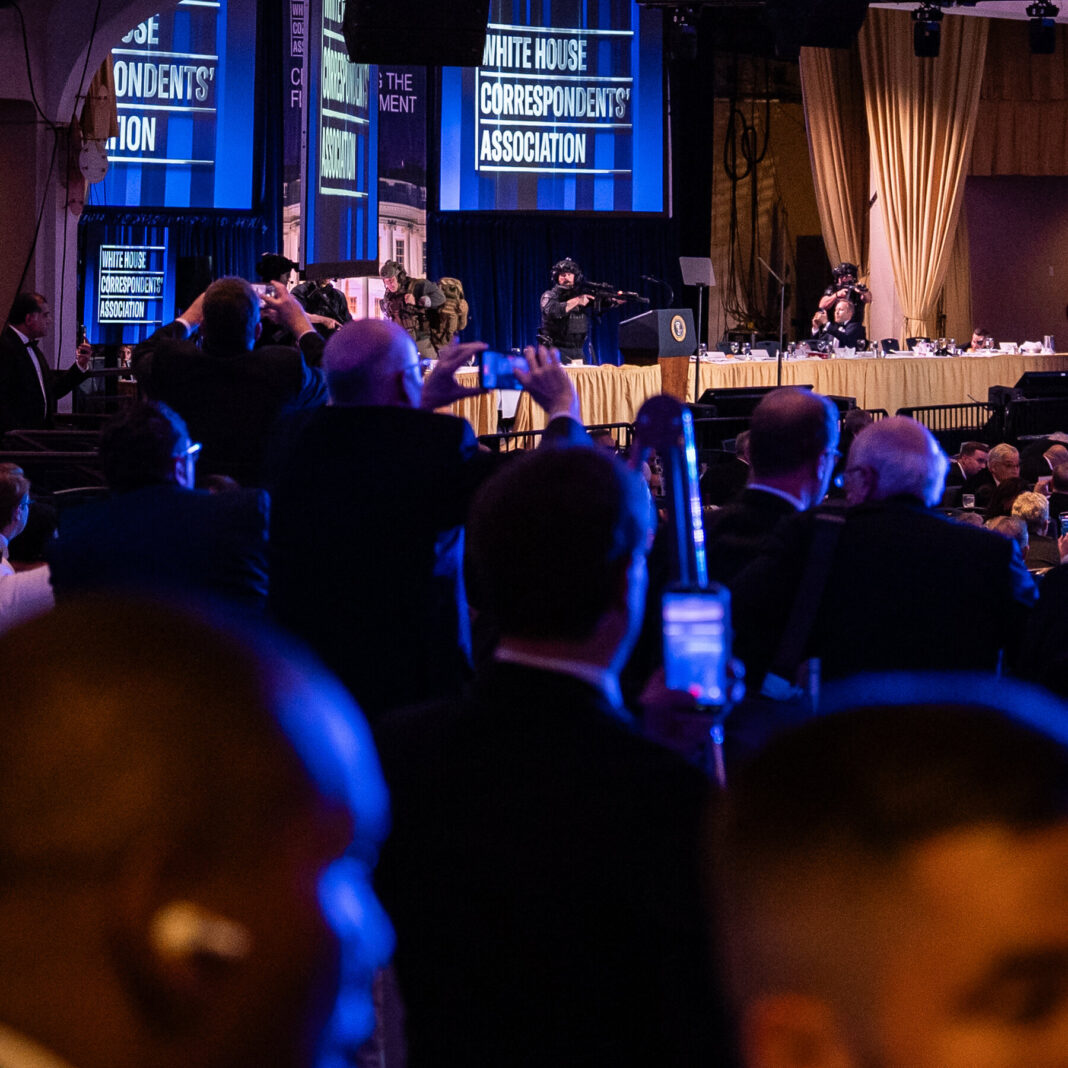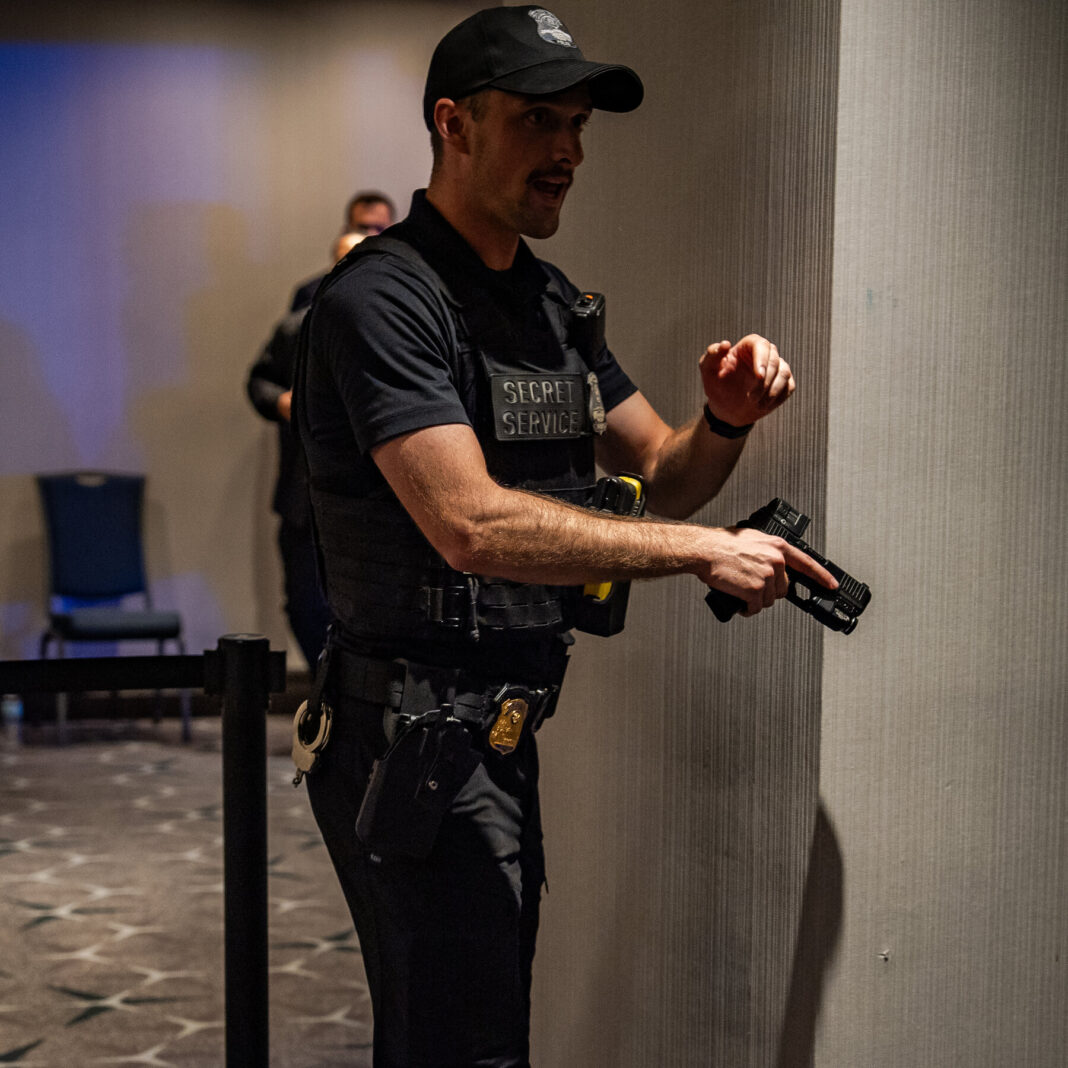
Security experts are confirming that the security plan for the White House correspondents’ dinner performed as intended. The suspect in the incident was able to approach the hotel but failed to breach the inner perimeter. Officials confirmed the individual never entered the ballroom where President Trump and hundreds of journalists were seated.
The ballroom remained secure throughout the event, with no disruption to the dinner program. Law enforcement personnel stationed at multiple checkpoints intercepted the suspect before any access was gained. The incident did not alter the evening’s schedule or activities.
Security protocols for the event included layered barriers, screening stations, and a coordinated response from multiple agencies. Experts note that such measures are designed to prevent any single point of failure. The suspect’s inability to penetrate the inner zone demonstrates the effectiveness of these overlapping layers.
Authorities have not released the suspect’s identity or motive, but the investigation remains active. The response time and coordination among federal and local police have been praised by security professionals. No injuries or property damage were reported.
This incident highlights the ongoing challenges of securing high-profile public events. The correspondents’ dinner draws significant attention, requiring careful planning and real-time adjustments. The outcome reinforces the importance of maintaining vigilant security at political gatherings.
Guests at the dinner described the event as proceeding normally, with no awareness of the unfolding situation. Many learned about the incident only after leaving the venue. The seamless execution allowed the dinner to fulfill its purpose without alarm.
Moving forward, security planners will likely review this incident to refine future protocols. The successful containment provides a clear case study for threat mitigation at large-scale events. The system worked as it was designed to work.