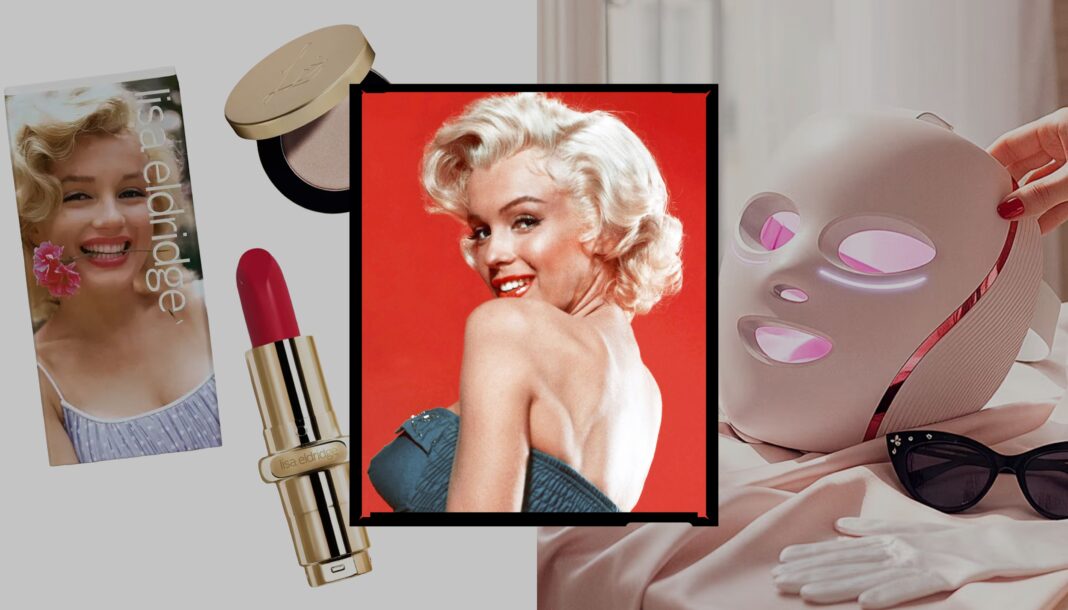
For Marilyn Monroe’s 100th birthday, a troubling industry practice deserves scrutiny. Major brands continue to feature her image in advertising campaigns.
The late actress cannot actually collaborate on any new brand campaign. Her estate licenses her likeness for commercial purposes.
This commodification extends beyond Monroe to other tragic figures from Hollywood history. Their images are used to sell products without their consent.
Many of these stars died young under difficult circumstances. Their struggles with fame, addiction, and personal trauma are often overlooked.
The marketing cycle tends to focus on their glamour rather than their humanity. It reduces complex lives to a single, marketable image.
This practice raises ethical concerns about posthumous exploitation. The dead cannot benefit from or object to these arrangements.
A more respectful approach would honor these individuals on their own terms. It would acknowledge their full stories instead of cherry-picking marketable moments.
Fans and brands alike could choose to celebrate living talent instead. This would shift focus from tragic narratives to ongoing creative work.
The centennial of Monroe’s birth offers a moment for reflection. It is an opportunity to reconsider how society treats the legacies of its icons.