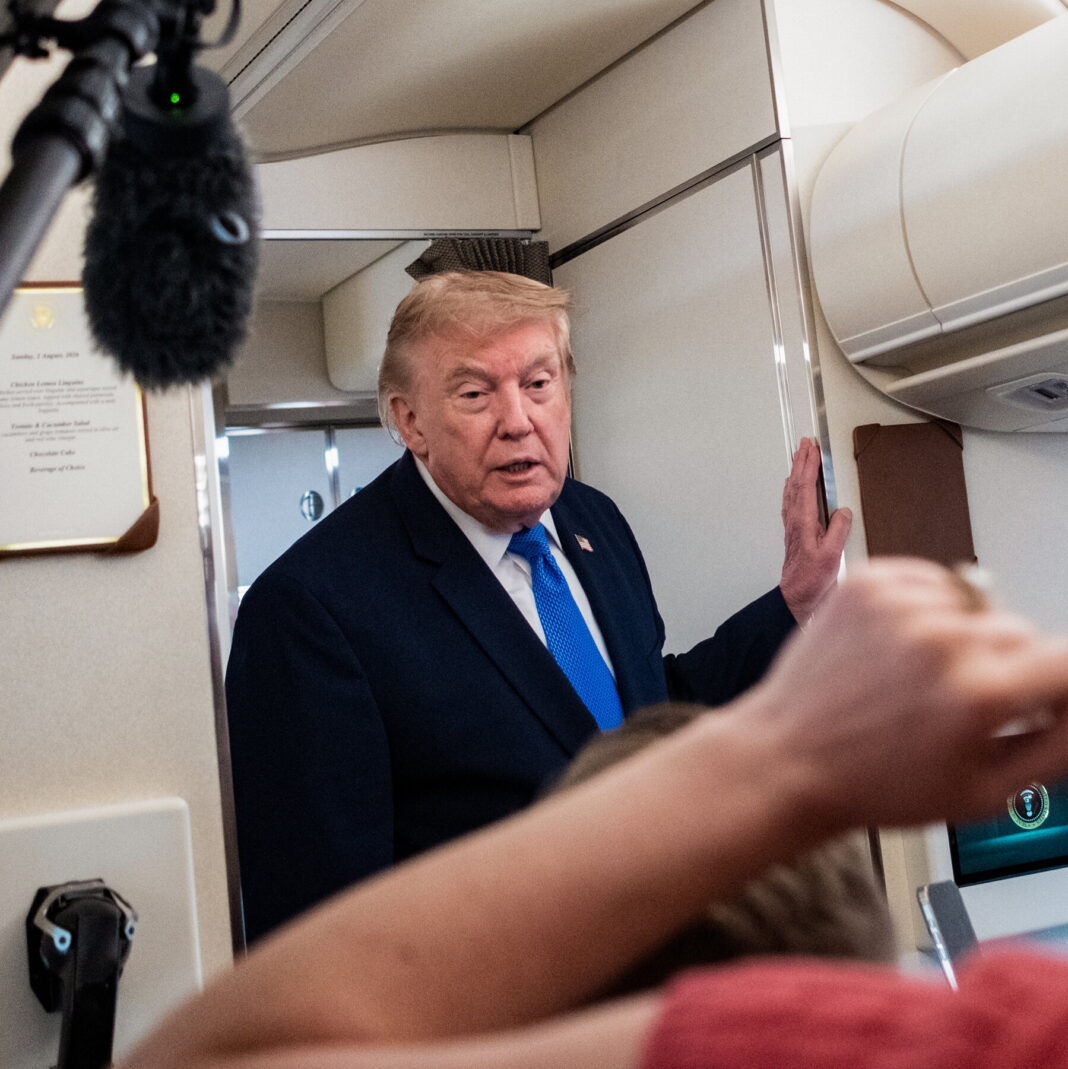
A new round of threats and policy reversals from President Trump has introduced fresh uncertainty into Middle East diplomacy. Lawmakers and analysts are now questioning whether negotiations with Iran will begin Monday as announced or if the president is navigating limited options. The mixed signals have left officials struggling to interpret the administration’s true intent.
Trump’s latest remarks suggested progress toward talks, but he simultaneously escalated pressure with new warnings. This contradiction has created confusion among allies and adversaries alike. Regional observers note that such abrupt shifts have become a pattern in recent weeks. Each statement appears to reset the diplomatic calendar without clear direction.
Iranian leaders have responded cautiously, avoiding direct commitment to the proposed meeting. Their public statements emphasize that any negotiation must respect existing agreements and territorial integrity. Meanwhile, European mediators remain active behind the scenes, seeking to stabilize the situation. Their efforts are complicated by the unpredictable nature of Washington’s messaging.
Congressional reaction has been divided along partisan lines. Some lawmakers urge full support for the president’s outreach, citing the need to avoid military escalation. Others demand clearer conditions for engagement, warning that inconsistent policy undermines credibility. A senior senator, speaking on condition of anonymity, called the situation “a high-stakes gamble without a coherent strategy.”
Economic markets have also felt the impact, with oil prices fluctuating sharply after each presidential statement. Traders are struggling to price in scenarios ranging from successful talks to renewed sanctions. Analysts say this volatility reflects deeper anxiety over the lack of a stable framework. The uncertainty extends beyond energy, affecting regional investment and security planning.
Former diplomats point to historical precedents where similar brinkmanship led to unintended crises. They stress that personal diplomacy without institutional support rarely produces lasting outcomes. The current approach appears to prioritize short-term tactical moves over strategic coherence. This raises risks of miscalculation on all sides.
The coming days will prove critical in determining whether the announced negotiations materialize. A visible agenda or mediator confirmation would signal genuine progress. Their absence would reinforce skepticism about the president’s commitment. For now, the region watches with measured hope and considerable apprehension.