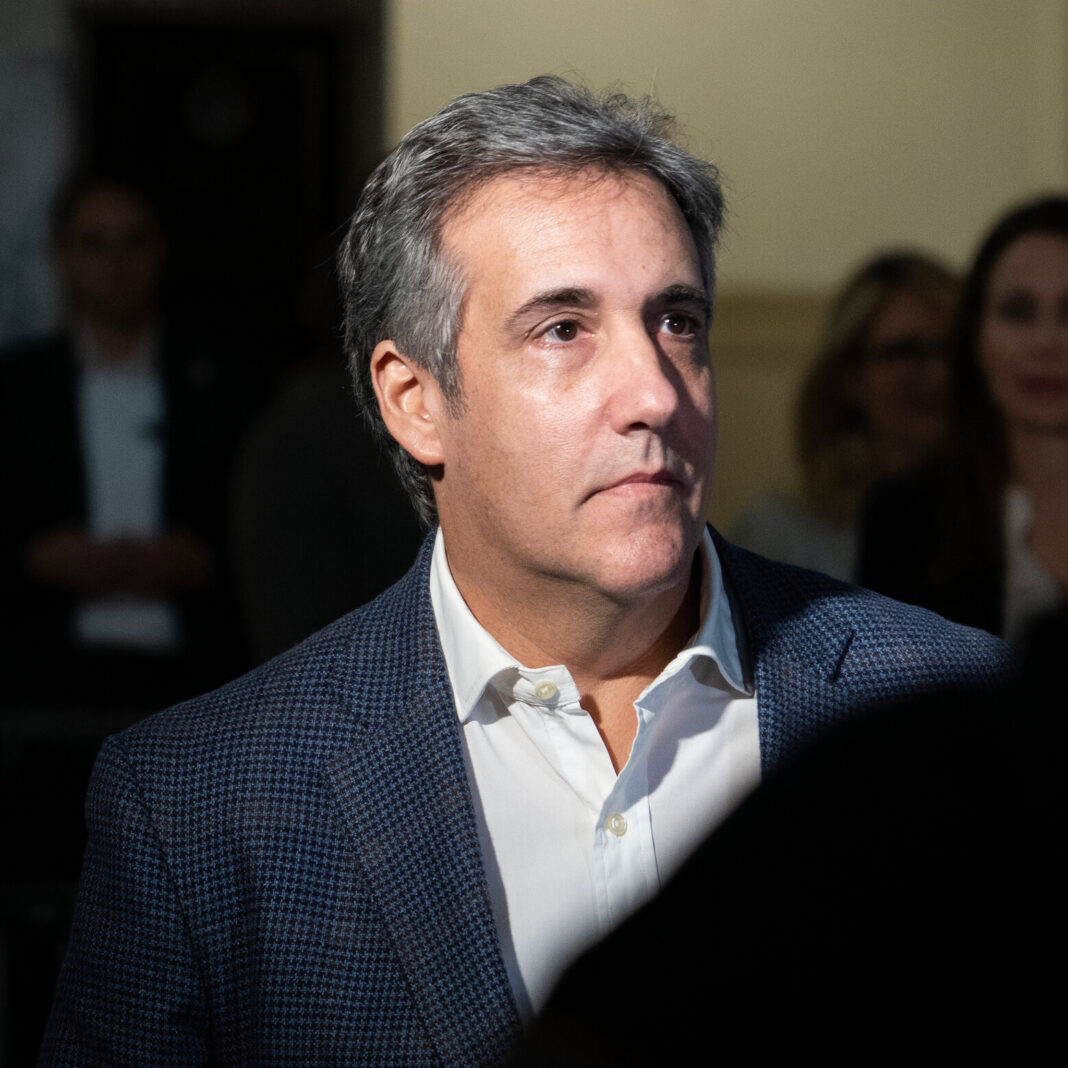
Michael Cohen, once President Donald Trump’s personal attorney and self-described fixer, has reached a form of reconciliation with his former boss. The détente, however, rests on a fragile foundation. Mr. Cohen has not retracted the congressional testimony and evidence that played a role in Mr. Trump’s criminal conviction, despite Mr. Trump’s public claims to the contrary.
In a recent interview, Mr. Cohen described the emotional and psychological toll of his journey. He detailed a path that took him from a loyal confidant to a public adversary, a shift he characterized as a painful necessity. The former lawyer acknowledged the personal cost of his decision to cooperate with prosecutors, a move he once believed would define his legacy.
Mr. Trump has publicly suggested that Mr. Cohen has reversed his position on key facts. Those assertions are disputed. Mr. Cohen maintains that his previous statements about hush-money payments and other matters remain accurate. The distinction is central, as the testimony in question was used in legal proceedings against the president.
The relationship between the two men has always been transactional, according to Mr. Cohen. During his tenure as a fixer, he handled sensitive negotiations and payments, actions that later became the subject of federal investigation. After pleading guilty to charges including campaign finance violations, Mr. Cohen turned state’s witness, a decision that irreparably severed the professional bond.
The interview revealed a man still processing the consequences of his choices. Mr. Cohen described feeling like a pariah in some circles, a label he said he has learned to accept. He contrasted that with the relief of no longer carrying the burden of secrecy that marked his years in the president’s inner circle. The experience, he said, reshaped his understanding of loyalty and power.
Reconciliation, in this case, does not mean forgiveness or a full return to trust. Mr. Cohen suggested that any peace with Mr. Trump is superficial, driven more by circumstance than genuine goodwill. He noted that the president has never apologized for the public attacks, including calling his former lawyer a “rat” on social media and in speeches.
Legal experts point out that Mr. Cohen’s credibility remains a point of contention. His past admissions of lying to Congress complicate his narrative, yet his core testimony has withstood legal scrutiny. The durability of that evidence, independent of Mr. Cohen’s personal reputation, is what keeps the issue relevant.
The broader political implications are unclear. Mr. Trump’s legal challenges continue, and Mr. Cohen’s role in the larger story has faded from the headlines. For Mr. Cohen, the interview appears to serve as a closing chapter, an attempt to define his own narrative after years of being defined by others. He spoke of wanting to move forward, though the shadow of his former life persists.