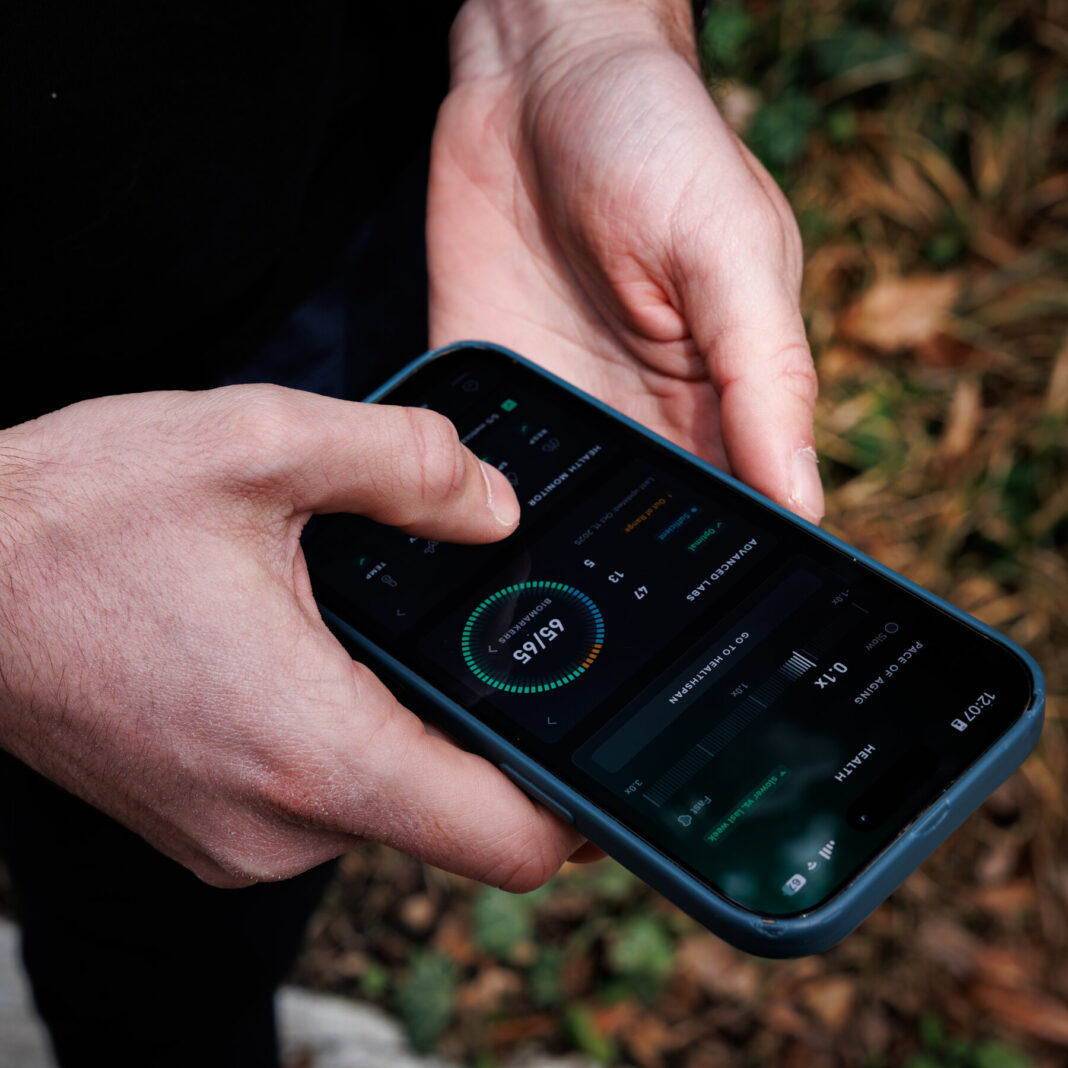
A growing number of Americans are adopting so-called biohacking diets. This trend, which began in tech circles, involves using specific foods, supplements, and devices to optimize health.
The approach often includes consuming seeds, specialized supplements, and employing various gadgets. Proponents believe these methods can enhance physical and cognitive performance.
Unlike traditional nutrition plans, these regimens frequently operate outside conventional medical advice. Many participants forge their own paths with minimal input from healthcare professionals.
The movement has now expanded far beyond its Silicon Valley origins. It is attracting a diverse range of individuals all seeking improved wellness through dietary manipulation.
This shift represents a broader cultural turn towards self-experimentation in health. People are increasingly taking a hands-on, data-driven approach to managing their own bodies.
Critics, however, warn that the lack of expert oversight can pose risks. The long-term effects of many popular biohacking supplements and practices remain scientifically unverified.
As the trend grows, it highlights a deepening public interest in personalized health strategies. The central question remains whether these self-directed methods deliver sustainable benefits or simply reflect a new wellness fad.