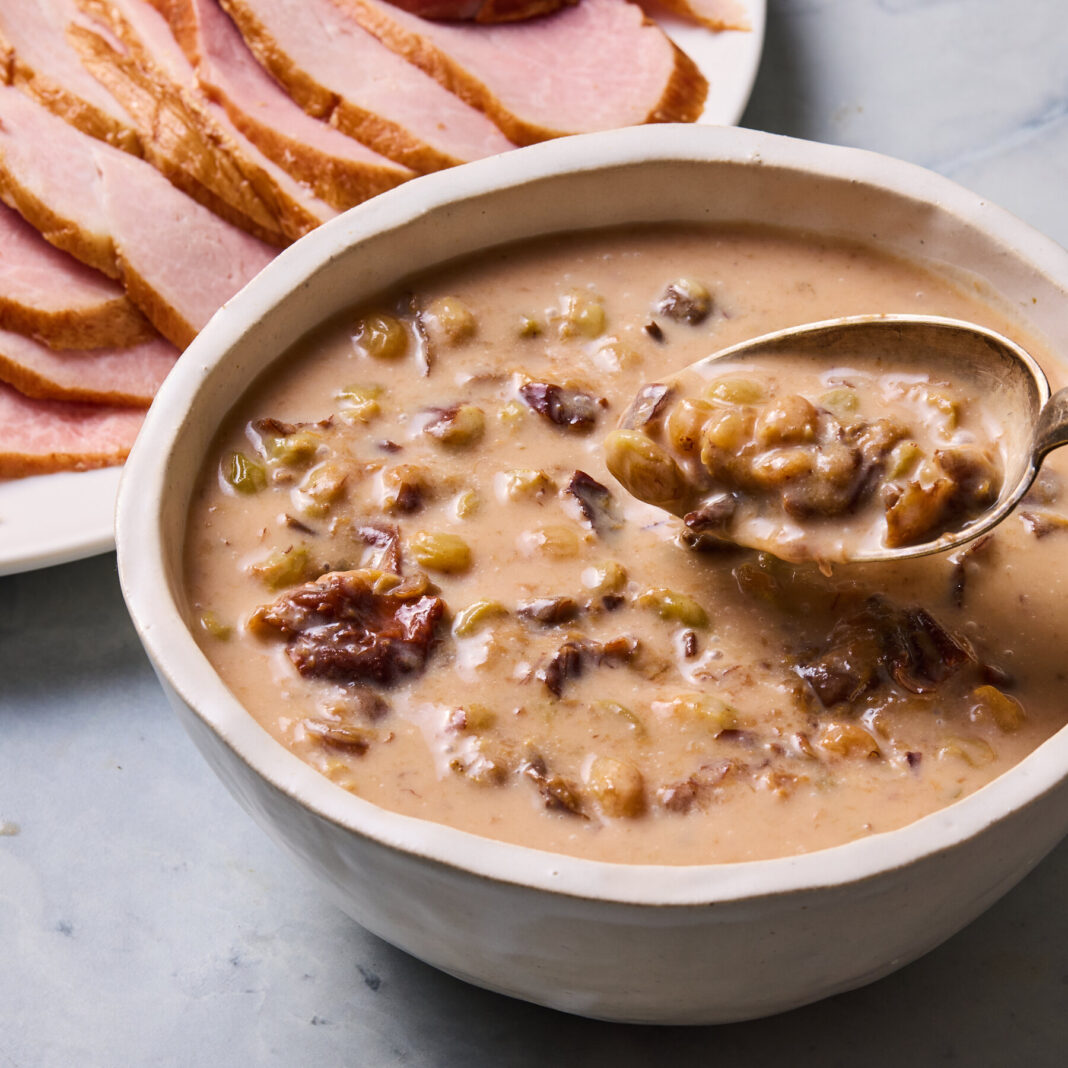
Pluma moos is a traditional side dish with deep roots in Mennonite communities, particularly in Kansas. This rich, jammy preparation is made from dried fruit. It has historically been served alongside holiday ham and potatoes.
The dish is a staple for festive gatherings, especially during Easter. Its sweet and tangy profile complements savory main courses. The consistency is often compared to a thick compote or fruit butter.
Preparation typically involves simmering dried fruits like prunes, apricots and raisins. Sugar and sometimes lemon juice are added to balance the flavors. The slow cooking process allows the fruits to break down into a cohesive, spreadable texture.
While recipes vary by family, the core ingredients remain simple and accessible. The dish can be made ahead of time, which is practical for holiday meals. It represents a form of edible heritage, passed down through generations.
Its resurgence in interest aligns with a broader appreciation for regional and historical foods. Modern cooks are rediscovering these time-honored recipes. The dish offers a distinct alternative to more common fruit sauces or relishes.
Serving pluma moos introduces a unique flavor tradition to the Easter table. It pairs well with baked ham, roasted meats and simple starches. The dish adds both a sweet component and a touch of historical significance to the meal.
This old-fashioned recipe provides a direct link to the culinary past. It showcases how simple ingredients can be transformed into a memorable side. For many, it is a cherished part of holiday tradition and family memory.