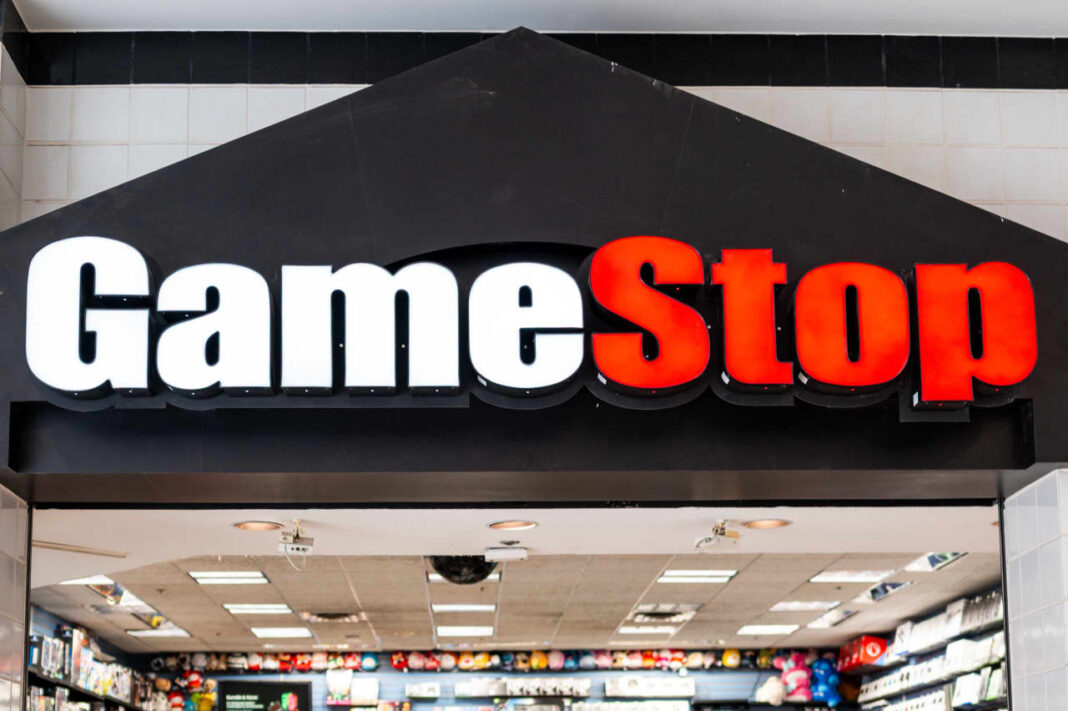
GameStop reported a major shift in its business model, with collectibles now outpacing video games as the company’s primary revenue source. The retailer, once known for selling new and pre-owned game titles, has seen a steady decline in physical software sales over recent years. Meanwhile, items such as trading cards, figures, and apparel have grown into a dominant category.
The company’s latest financial results show that collectibles account for a larger share of total sales than traditional gaming products. This marks a turning point for the chain, which has struggled to adapt to the rise of digital game downloads. Consumers increasingly buy games online, reducing foot traffic to physical stores.
GameStop’s pivot toward collectibles reflects broader changes in retail, where experiential and niche products often drive customer engagement. The company has expanded its inventory of Pokémon cards, Funko figures, and other pop-culture merchandise. Store layouts have also been adjusted, giving more shelf space to these high-margin items.
The shift has not gone unnoticed by investors, many of whom still associate GameStop with the meme-stock frenzy of 2021. That period saw retail traders push the company’s share price to dramatic highs, a story later depicted in the film “Dumb Money.” However, the current revenue mix suggests a different kind of transformation is underway.
Physical video game sales continue to shrink industry-wide, pressuring retailers to diversify. GameStop has closed hundreds of locations in recent years while focusing on its most profitable product lines. The company has also leaned into pre-owned collectibles, which offer better margins than new electronics.
Despite the new revenue structure, challenges remain. Foot traffic is still below pre-pandemic levels, and competition from online marketplaces is intense. GameStop has yet to return to sustained profitability, even as it trims costs and renegotiates leases.
Management has signaled further emphasis on collectibles and other non-gaming items moving forward. The company is also testing new store formats and improving its e-commerce platform to support the shift. Whether these efforts can stabilize the business is still uncertain.
For now, the data is clear: GameStop’s identity as a video game retailer is fading. The company now generates more money from action figures and card packs than from the games that built its brand. This evolution may redefine what GameStop stands for in the years ahead.