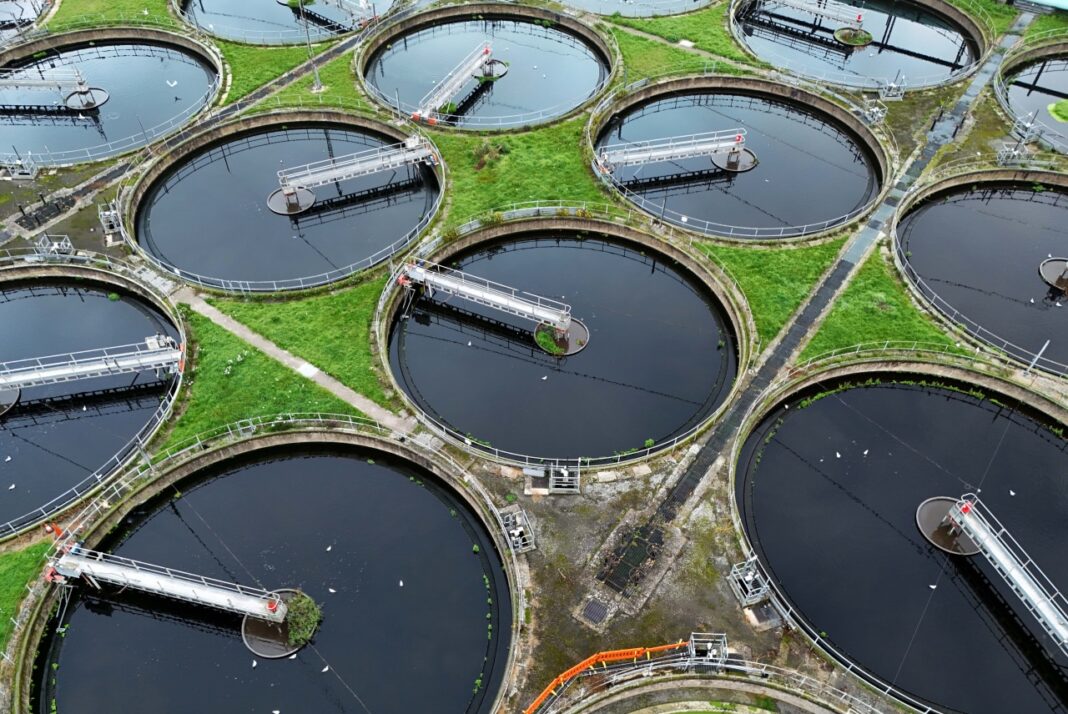
A new climate-focused investment is being pitched as a way to lower household water bills while addressing environmental concerns. The approach centers on technologies that reduce water waste, aiming to cut costs for consumers and ease pressure on aging utility infrastructure.
One example gaining attention involves capturing and reusing water from household systems, such as showers and sinks. These systems treat the water on-site, allowing it to be cycled back for non-drinking uses like toilet flushing or landscaping. Early adopters report noticeable reductions in monthly water expenses.
The push comes amid rising water prices in many U.S. cities, driven by drought conditions and the need to upgrade pipes and treatment plants. Utilities are also under pressure to curb water consumption without imposing stricter rationing rules. Private companies and some municipalities are testing these recycling technologies as a potential solution.
Separately, a geothermal energy company is preparing for an initial public offering, fueled by interest in tapping heat from the Earth’s core for electricity generation. The company’s technology drills deep into the ground to access hot rock formations, producing a stable power source that operates continuously. This differs from solar and wind, which depend on weather conditions.
The IPO is expected to draw investors looking for clean energy options with consistent output. Geothermal currently accounts for a small fraction of global electricity, but its potential for 24-hour operation makes it attractive for grid reliability. The offering could test market appetite for this less visible renewable energy source.
In Europe, Chinese electric vehicle makers are establishing a new foothold by setting up assembly plants in the region. These facilities allow them to bypass tariffs on imported cars and adapt vehicles to local preferences. Several manufacturers have announced plans to produce models specifically for European buyers within the next two years.
The move challenges European automakers that have already faced pressure from Chinese competition in the domestic market. It also aligns with the European Union’s push for more affordable electric cars to accelerate the shift away from fossil fuels. The trend is expected to reshape the region’s auto industry supply chain.